
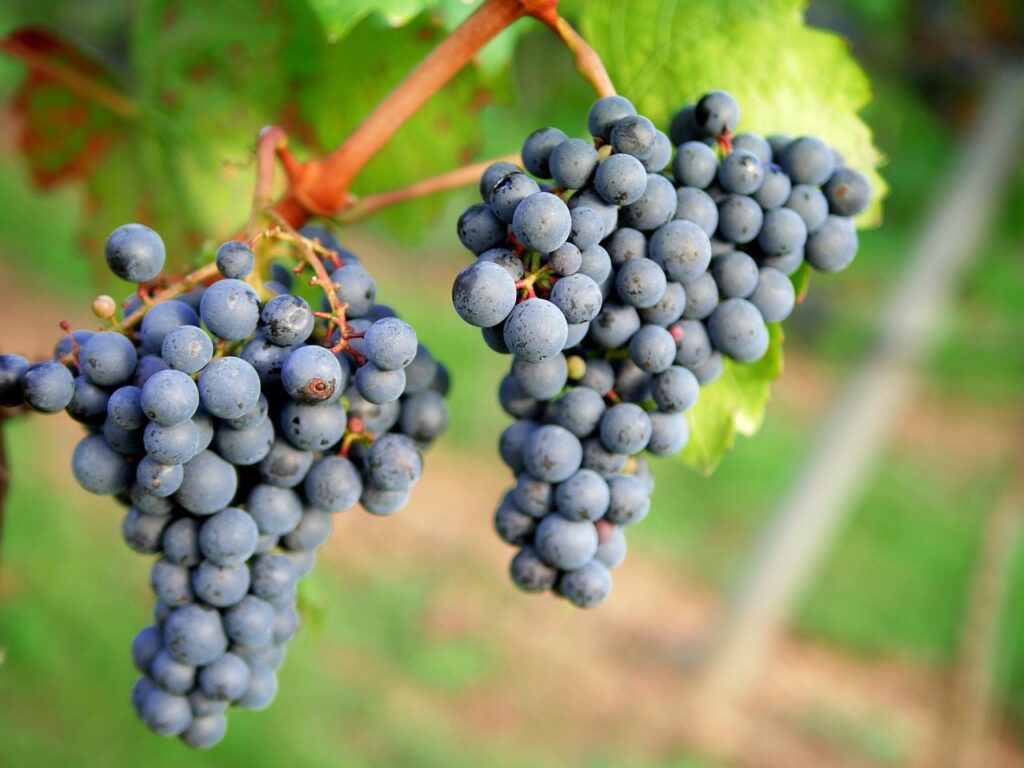
Malbec is one of those grapes that feels instantly recognizable once you get to know it. Deep color, dark fruit, a generous texture, and enough structure to feel serious without turning hard or severe. Many wine drinkers first meet it through Argentina, where it became a national calling card, but the story of Malbec starts in France and stretches much further than one country.
What makes the Malbec grape so interesting is the contrast at its core. In one place it can feel plush, ripe, and fruit-driven. In another it turns darker, firmer, and more rustic. It can be easy to drink in its youth, yet the best bottles have enough concentration and balance to reward aging. That flexibility is a big reason why Malbec has stayed relevant, even as wine trends have shifted around it.
In this in-depth guide, we look at where Malbec came from, how it ended up becoming Argentina’s flagship red grape, what it tastes like, what kinds of terroir suit it best, and why it still deserves attention beyond the obvious bottles on the supermarket shelf.
Key takeaways
- Malbec originated in southwest France, especially Cahors, before becoming globally associated with Argentina.
- It is known for deep color, blackberry and plum flavors, moderate to firm structure, and relatively approachable tannins.
- Argentine Malbec is often richer and fruitier, while French Malbec from Cahors tends to be darker, more savory, and more structured.
- High-altitude vineyards, strong sunlight, and cool nights help Malbec keep both ripeness and freshness.
- Malbec works especially well with grilled meats, roast dishes, and hearty food, which helps explain its broad appeal.
Table of contents
- What is Malbec?
- Origins and history of Malbec
- What Malbec tastes like
- Terroir and growing conditions
- Winemaking techniques for Malbec
- Major Malbec regions
- Food pairings with Malbec
- Why Malbec still matters
What is Malbec?
Malbec is a dark-skinned red grape variety that produces wines with strong color, dark fruit flavors, a rounded texture, and a style that can range from juicy and accessible to structured and age-worthy. It is often associated with plum, blackberry, black cherry, cocoa, violet, and sometimes a smoky or earthy edge.
For many drinkers, Malbec sits in a sweet spot. It has more body and depth than many lighter reds, but it usually feels more open and less severe than a young Cabernet Sauvignon. It can offer richness without becoming overcomplicated, which is one reason it became so popular with both casual wine drinkers and more serious enthusiasts.
Still, it would be a mistake to think of Malbec as just a crowd-pleasing soft red. The best examples have real identity. They can show lift, freshness, floral notes, mineral tension, and a sense of place. When that happens, Malbec becomes much more than an easy dinner wine.
Origins and history of Malbec
Malbec’s roots are in France, not Argentina. Historically, the grape was planted in southwest France and played an important role in Bordeaux blends, though it was never as reliable there as varieties like Cabernet Sauvignon or Merlot. The region where Malbec truly built its oldest reputation was Cahors, where it became the defining grape and produced deeply colored wines that were often referred to as “black wines.”
In France, Malbec could be impressive, but it also had weaknesses. It was vulnerable to frost and disease, which made it less predictable in some areas. That helped limit its long-term importance in places like Bordeaux, where growers increasingly leaned on other grapes that were easier to manage and more consistent across vintages.
The major turning point came in the 19th century, when Malbec was brought to Argentina. The name most often linked to that move is Michel Aimé Pouget, a French agronomist who helped introduce several European vine varieties to Argentina in the mid-1800s. Malbec adapted exceptionally well, especially in Mendoza, where altitude, dry conditions, and abundant sun gave the grape something it had not fully found in France: a natural home at scale.
That shift changed the identity of the grape worldwide. Instead of remaining mainly a French regional variety, Malbec became an Argentine success story. Over time, Argentina did more than simply preserve the grape. It transformed its image. Malbec went from a respected but secondary French grape to a full global brand in its own right.
That said, France never disappeared from the picture. Cahors still matters, and it offers a version of Malbec that feels more serious, more earthy, and often more tannic than the modern Argentine style. Understanding both sides of the grape is essential, because Malbec’s real story is not just about migration. It is about reinterpretation.
What Malbec tastes like
Malbec is usually easy to spot in the glass. The color is often very deep, with purple or ink-dark tones that suggest concentration before you even smell it.
Dark fruit and ripe character
At its core, Malbec is usually driven by black fruit. Blackberry, plum, black cherry, and blueberry are all common notes. In warmer regions or riper styles, these can become more lush and almost jammy. In fresher, more restrained versions, the fruit may feel tighter and more focused.
Floral and cocoa notes
One of the things that keeps Malbec interesting is that it often carries more than just dark fruit. Violet is a recurring note in good examples, especially from higher-altitude vineyards. Cocoa, dark chocolate, and sometimes a faint coffee-like tone can also appear, especially in wines with some oak influence.
Texture and tannin
Malbec often has smoother tannins than people expect from such a dark-looking wine. It usually has enough structure to feel substantial, but the tannins are often rounder and more approachable than in young Cabernet Sauvignon. That is a major part of the grape’s appeal. It can taste rich without feeling punishing.
Freshness matters more than people think
The best Malbec is not just big and dark. It has freshness underneath the fruit. Acidity keeps the wine from feeling heavy, and that is especially true in the better high-altitude wines from Argentina. Without that lift, Malbec can feel flat or overly broad. With it, the wine becomes far more complete.
French versus Argentine style
Argentine Malbec often leans toward ripe fruit, softer tannins, fuller body, and a more polished feel. Cahors Malbec is often darker in a more savory way, with firmer structure, more earthy tones, and a slightly sterner shape. Neither is automatically better. They simply show different sides of the same grape.
Terroir and growing conditions
Malbec responds strongly to climate and site, which is part of why it changed so dramatically when it moved from France to Argentina.
Sunlight and ripeness
Malbec likes sun and warmth, but not uncontrolled heat. It needs enough warmth to ripen fully, build dark fruit, and soften its tannins. Strong sunlight also helps the grape develop the deep color that people associate with the variety. In warm but well-balanced conditions, the grape can reach full ripeness without losing all of its freshness.
Altitude as a major advantage
One of the reasons Argentina became so successful with Malbec is altitude. In places like Mendoza and the Uco Valley, vineyards sit high above sea level. That brings warm days and cool nights, which is a powerful combination. The warmth helps the fruit ripen. The nighttime cooling helps the grapes retain acidity and aromatic lift. That is one of the secrets behind Argentina’s best Malbec.
Altitude also increases sunlight intensity, which contributes to thicker skins and more color concentration. It is one reason some of the best high-altitude Malbecs have both richness and energy.
Dry conditions and disease pressure
Malbec struggled with weather-related issues in parts of France, especially frost. Argentina’s drier climate gave the grape a more stable environment. Low humidity reduces disease pressure, and that makes vineyard management easier. It is not that Malbec became a totally easy grape overnight, but it found a place where its weaknesses were less exposed.
Soils and structure
Well-drained soils are important for Malbec. In Mendoza, alluvial soils with stones, gravel, sand, and clay are common and help shape the wine’s style. In Cahors, limestone and clay are especially important and often contribute to the firmer, darker structure of the wines.
As with many grapes, poor or moderate-fertility soils often help limit vigor and increase fruit concentration. Malbec can become too broad if yields are high and the site is too generous. The best wines usually come from sites where the vine has to work a little harder.
Winemaking techniques for Malbec
Malbec is flexible in the cellar, and winemakers can push it in different directions depending on the fruit and the intended style.
Fruit-first fermentation
Many producers want to preserve Malbec’s dark fruit and floral notes, so fermentation choices often aim for clarity and purity. Stainless steel is common for this reason. It helps hold onto the grape’s fruit profile and keeps the style clean and direct.
Oak aging
Oak is widely used with Malbec, especially in premium wines. French oak can add subtle spice, toast, cocoa, and polish. American oak can bring sweeter vanilla tones. Some wines benefit from oak because it rounds the texture and adds complexity, but too much can flatten the grape’s freshness and cover its floral side.
The best oaked Malbec still tastes like Malbec. The wood should support the wine, not dominate it.
Blending
Although Malbec is often bottled on its own, it is also a useful blending grape. In France it historically played a role in Bordeaux blends. Elsewhere it may be blended with Cabernet Sauvignon, Merlot, Bonarda, or other varieties to add color, fruit, or mid-palate depth. This is one reason the grape remained relevant even before it became a star on its own label.
Single-vineyard and microvinified styles
One of the most exciting developments in modern Malbec is the move toward more site-specific wines. Instead of presenting Malbec as a generic, fruit-heavy red, many producers now bottle specific vineyard sites, elevations, or soil profiles. That has helped reveal how much nuance the grape can carry when producers focus less on simple power and more on terroir.
Major Malbec regions
Argentina
Argentina is the modern capital of Malbec. Mendoza is the center of gravity, and within Mendoza, places like Luján de Cuyo and the Uco Valley are especially important. These areas produce many of the wines that built Malbec’s global reputation.
What makes Argentine Malbec so successful is the combination of altitude, dry conditions, sunlight, and increasingly precise winemaking. The wines can range from plush and generous entry-level bottles to more serious, mineral, high-altitude expressions with freshness and detail. That range matters because it shows Argentina is no longer just making “big Malbec.” It is making many styles of Malbec.
For broader travel and regional context, see our pieces on Argentina wine travel ideas and New World wine.
Cahors, France
Cahors is Malbec’s historic stronghold in France. These wines often feel darker, firmer, and more traditional than the Argentine style. There is usually more earth, more savory detail, and more structure. If Argentine Malbec often wins people over with generosity, Cahors often wins them over with seriousness.
This is an important contrast because it reminds us that Malbec is not just a fruit bomb grape. In the right conditions, and with the right winemaking, it can produce wines with real backbone and long-term development potential.
California, United States
California produces Malbec in a style that often sits somewhere between France and Argentina, though it depends heavily on the region and producer. The wines can show ripe fruit and easy texture, but the better bottles keep enough structure to avoid becoming too simple. Malbec is still not as central in California as Cabernet Sauvignon or Pinot Noir, but it has a loyal following and often performs well in warmer inland sites.
Chile
Chile is another region where Malbec is gaining more attention. Depending on location, Chilean Malbec can show a little more freshness and herbal edge than richer Argentine examples. It often represents strong value and is part of the broader story of how South America became central to modern Malbec.
Other regions
Malbec is also planted in smaller quantities in places such as South Africa, Australia, and parts of Italy. These wines are less common, but they show the grape’s ongoing global relevance. Even where it is not the headline act, Malbec remains a useful and expressive variety.
Food pairings with Malbec
Malbec’s popularity is helped by one simple fact: it is very easy to pair with food.
Grilled meat and steak
This is the classic match, and for good reason. Malbec’s dark fruit, moderate tannin, and generous body work beautifully with grilled beef, especially steaks, burgers, and Argentine-style barbecue. The fruit brings richness, and the structure handles the char and fat well.
Roasted dishes and hearty food
Roast lamb, beef stew, braised short ribs, and richer pasta dishes all work well with Malbec. The wine has enough body to stand up to savory depth, but usually not so much tannin that it overwhelms the dish.
Cheese and earthy flavors
Malbec also pairs nicely with aged cheeses, mushroom dishes, and foods with roasted or smoky notes. This is especially true for more structured or slightly earthier examples.
For more pairing ideas, our guides to food and wine pairing basics and cheese and wine pairing are useful follow-ups.
Why Malbec still matters
Malbec still matters because it managed something difficult in modern wine. It became popular without becoming irrelevant. Plenty of grapes achieve mass appeal, but in the process they lose depth or become so standardized that serious drinkers move on. Malbec came close to that in some markets, but the best producers kept pushing forward.
Today, Malbec exists on multiple levels at once. It is an easygoing wine for everyday drinking. It is a serious terroir wine in the hands of ambitious producers. It is a bridge between Old World and New World styles. It is also one of the clearest examples of how a grape can be reborn in a new country without losing the weight of its original history.
The most interesting Malbec wines today are often the ones that combine Argentina’s natural generosity with greater precision and freshness. At the same time, Cahors continues to remind people that the grape has a darker, firmer, more traditional side. That tension between plushness and structure is what keeps Malbec interesting.
At its best, Malbec offers much more than color and fruit. It gives you dark fruit, floral lift, enough structure to feel complete, and a style that works both at the dinner table and on its own. That is why the Malbec grape remains more than a trend. It is now one of the modern classics of red wine.
To keep exploring, see also our articles on Cabernet Sauvignon, Merlot, and Syrah.
Read next
- Overview of the Grape Varieties of the World
- What Is New World Wine?
- Argentina Wine Trip Travel Ideas
Last updated:
