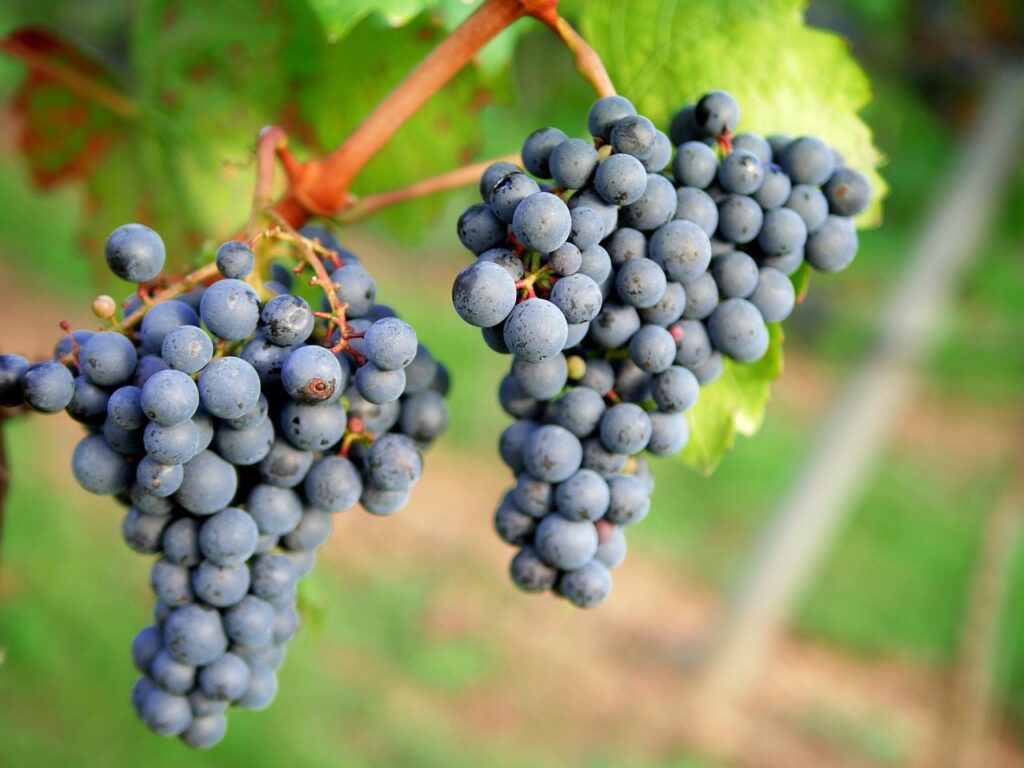

Wine grape varieties are one of the best entry points into wine because they give you a practical way to understand why one bottle tastes nothing like another. The grape is not the whole story, because climate, soil, winemaking, age, and producer style all matter too, but it is often the clearest starting point. If you know roughly what Cabernet Sauvignon, Chardonnay, Pinot Noir, Riesling, Syrah, and Sauvignon Blanc tend to do, wine labels stop feeling random very quickly.
This guide is meant as a broad, practical hub rather than a claim to list every grape on Earth. There are thousands of wine grapes in the world, and no single page can truly cover all of them in full. What this page does instead is give you a strong overview of the major grapes already covered on Corked News, with short, useful explanations and links to the in-depth articles for each one. That makes it much more useful than a long, messy list with no structure.
It also helps to remember that a grape variety is not a rigid flavor template. Chardonnay can be lean and mineral or rich and buttery. Riesling can be bone-dry or sweet. Grenache can be soft and juicy or deep and warming. Pinot Gris can feel fresh in one bottle and oily and textural in another. So the grape gives you a direction, not a guarantee. Still, once you start learning grapes, wine becomes far easier to navigate, and that alone makes grape knowledge worth your time.
Key takeaways
- Grape variety is one of the clearest ways to understand wine style, but it works best when combined with region and producer knowledge.
- Red grapes differ most in tannin, body, fruit profile, spice, and aging potential.
- White grapes differ most in acidity, aromatics, texture, richness, and sweetness range.
- Many grapes have multiple names depending on country, such as Syrah and Shiraz or Grenache and Garnacha.
- This page works as a hub, so you can move from the overview into each full grape guide on Corked News.
Table of contents
- Why grape varieties matter
- How to use this guide
-
Major red wine grapes
- Cabernet Sauvignon
- Merlot
- Cabernet Franc
- Petit Verdot
- Malbec
- Carmenère
- Pinot Noir / Spätburgunder
- Gamay
- Nebbiolo
- Sangiovese
- Barbera
- Tempranillo
- Syrah / Shiraz
- Grenache / Garnacha
- Cinsault
- Mourvèdre / Monastrell
- Zinfandel / Primitivo / Crljenak Kaštelanski
- Petite Sirah
- Corvina
- Nero d’Avola
- Montepulciano
- Tannat
- Aglianico
- Major white wine grapes
- Same grape, different name
- Where to go next
Why grape varieties matter
A grape variety matters because it shapes the basic personality of the wine. Some grapes naturally give more tannin and darker fruit. Others lean toward lighter body, red fruit, perfume, and finesse. Some white grapes are sharp, citrusy, and mineral. Others are fuller, rounder, waxier, or more exotic in aroma. This is why grapes are such a useful learning tool. They give you a stable frame even when regions and producers change.
That said, the grape should never be treated as the only thing that matters. A cool-climate Syrah and a warm-climate Shiraz can feel like distant relatives. Chardonnay from Chablis behaves very differently from oaky California Chardonnay. Pinot Noir from Burgundy is not the same experience as a riper New World Pinot. The grape gives you the skeleton. Place and winemaking add the flesh.
For beginners, grapes are often easier to learn than regions because the names come up again and again on labels from different countries. For more experienced drinkers, grapes are useful because they help explain why certain wines age better, why some pair better with food, and why certain styles appeal more than others. In other words, grape knowledge is not trivia. It is practical.
How to use this guide
The easiest way to use a grape guide is not to memorize all the names at once. Start with the styles you already enjoy. If you like fuller, darker, firmer reds, go first to Cabernet Sauvignon, Syrah, Malbec, Nebbiolo, and Aglianico. If you prefer softer or juicier reds, start with Merlot, Grenache, Pinot Noir, Gamay, and Barbera. If you enjoy crisp whites, try Sauvignon Blanc, Albariño, Verdejo, Vermentino, and Grüner Veltliner. If you like richer or more aromatic whites, go toward Chardonnay, Chenin Blanc, Riesling, Pinot Gris, Gewürztraminer, and Viognier.
Another useful trick is to compare grapes in pairs. Cabernet Sauvignon versus Merlot teaches you structure versus softness. Pinot Noir versus Syrah shows elegance versus power. Chardonnay versus Sauvignon Blanc is one of the clearest ways to understand texture versus acidity. Riesling versus Pinot Gris shows just how differently white wine can behave in the glass. Once you compare like that, the names stop being a wall of terms and start becoming a useful map.
If you want an even broader foundation beyond grapes, our wine glossary is a good companion page while you work through this guide.
Major red wine grapes
Cabernet Sauvignon
Cabernet Sauvignon is one of the world’s most recognizable red grapes and one of the clearest examples of a structured, age-worthy red wine. It is usually associated with blackcurrant, cassis, dark cherry, firm tannins, and a more serious frame than many softer red grapes. In oak-aged versions, cedar, tobacco, spice, and vanilla often enter the picture too.
It thrives in Bordeaux, Napa Valley, Coonawarra, and many other serious red-wine regions, which is part of why it has become such a global reference point. Read our full Cabernet Sauvignon guide.
Merlot
Merlot is softer, rounder, and more immediately approachable than Cabernet Sauvignon in many styles, though top Merlot can still age very well. It often brings plum, black cherry, cocoa, and a smoother texture that makes it easy to enjoy young.
That softer feel is exactly why Merlot matters so much in blends and as a varietal wine. It can add flesh where Cabernet adds structure. Read our full Merlot guide.
Cabernet Franc
Cabernet Franc is one of those grapes that experienced wine drinkers often grow into gradually. It usually shows more aromatic lift and less bulk than Cabernet Sauvignon, with raspberry, red currant, herbs, floral tones, and sometimes leafy or peppery notes.
It is crucial in both Bordeaux and the Loire Valley and can range from light and fresh to surprisingly serious. Read our full Cabernet Franc guide.
Petit Verdot
Petit Verdot is most often seen as a blending grape, where it adds deep color, structure, floral lift, and spice to Bordeaux-style wines. On its own, especially in warmer regions, it can become a dark, concentrated, powerful red with a strong personality.
It is not usually the first grape beginners learn, but it matters because it shows how one “supporting” grape can shape a blend dramatically. Read our full Petit Verdot guide.
Malbec
Malbec is now most strongly linked with Argentina, where it often makes rich, plush wines with blackberry, plum, violet, cocoa, and velvety texture. It can feel generous and dark-fruited without necessarily becoming as severe as Cabernet Sauvignon.
It also has a French history, especially in Bordeaux and Cahors, which gives it a broader story than many casual drinkers realize. Read our full Malbec guide.
Carmenère
Carmenère began in Bordeaux but found its modern identity in Chile. It often shows dark fruits, herbs, spice, and a softer, velvety feel that can sit somewhere between Merlot and Cabernet in personality.
It is one of the best examples of a grape that found its real commercial reputation outside its historic birthplace. Read our full Carmenère guide.
Pinot Noir / Spätburgunder
Pinot Noir, called Spätburgunder in Germany, is prized for finesse rather than brute force. It usually brings cherry, raspberry, strawberry, floral notes, earthiness, and a more delicate texture than the darker, more tannic red grapes. Great Pinot Noir can be hauntingly complex, but it is also notoriously sensitive in the vineyard and cellar.
That difficulty is part of the grape’s reputation. It does not hide mistakes well, but when it works, it is one of the world’s most expressive red grapes. Read our full Pinot Noir / Spätburgunder guide.
Gamay
Gamay is best known from Beaujolais and is often associated with bright, juicy, low-tannin red wines that feel vibrant rather than heavy. Cherry, strawberry, raspberry, and floral freshness are common themes.
At its best, though, Gamay can be much more serious and mineral than the “light red” stereotype suggests. Read our full Gamay guide.
Nebbiolo
Nebbiolo is one of Italy’s great noble grapes and one of the most distinctive red grapes in the world. It often combines pale color with high tannin, high acidity, and a complex profile of red cherry, rose, tar, orange peel, and earthy depth.
It is a grape that teaches drinkers not to judge red wine by color alone. In Barolo and Barbaresco, it becomes one of the world’s great cellar wines. Read our full Nebbiolo guide.
Sangiovese
Sangiovese is the heart of much of Tuscany and one of Italy’s defining red grapes. It is usually associated with cherry fruit, dried herbs, earthy notes, bright acidity, and strong food-pairing ability.
It can be made in easy, youthful styles or in much more serious wines such as Brunello di Montalcino. Read our full Sangiovese guide.
Barbera
Barbera is one of the most food-friendly red grapes because it brings juicy fruit and lively acidity, usually without the hard tannin of more austere grapes. Cherry, plum, and freshness are often the key notes.
That balance of fruit and acid is why Barbera remains such a useful grape to know if you enjoy Italian wine beyond the biggest famous names. Read our full Barbera guide.
Tempranillo
Tempranillo is Spain’s flagship red grape and one of the clearest identities in Iberian wine. Expect red berries, plum, tobacco, leather, spice, and often vanilla or cedar when oak is involved.
It can feel fresher and more savory than many international reds, especially in traditional Rioja styles. Read our full Tempranillo guide.
Syrah / Shiraz
Syrah in France and Shiraz in Australia usually refer to the same grape, though climate and style can make the wines feel quite different. It is known for blackberry, black pepper, smoked meat, olive, plum, and spice, often with firmer structure and darker fruit than Pinot Noir or Merlot.
This is one of the clearest grapes for understanding how place changes style. Northern Rhône Syrah and Barossa Shiraz can feel like very different animals. Read our full Syrah / Shiraz guide.
Grenache / Garnacha
Grenache, called Garnacha in Spain, is a warm-climate red grape that often gives ripe strawberry, raspberry, spice, and a softer, more warming feel. It is hugely important in southern France and Spain, and it works beautifully in both blends and varietal wines.
It usually brings generosity more than hardness, which is part of its charm. Read our full Grenache / Garnacha guide.
Cinsault
Cinsault is one of the lighter, more fragrant Mediterranean red grapes and is often used to add softness, fruit, and lift in blends. It also matters greatly in rosé production because of its juicy, less aggressive profile.
As a red, it usually leans toward red berries, smooth texture, and easy drinkability rather than brute force. Read our full Cinsault guide.
Mourvèdre / Monastrell
Mourvèdre in France and Monastrell in Spain is a darker, more robust Mediterranean grape with blackberry, black cherry, spice, game, and earthy depth. It often carries more tannin and structure than Grenache and can give blends extra seriousness.
It is especially important in southern Rhône blends and in parts of Spain. Read our full Mourvèdre / Monastrell guide.
Zinfandel / Primitivo / Crljenak Kaštelanski
This is one of the best-known same-grape-different-name stories in wine. In California it is best known as Zinfandel, in Italy as Primitivo, and in Croatia as Crljenak Kaštelanski. The style many drinkers know best is a bold, fruit-forward red with blackberry, raspberry jam, pepper, and often relatively high alcohol.
It is a good grape to know if you like generous, personality-heavy reds. Read our full Zinfandel / Primitivo / Crljenak Kaštelanski guide.
Petite Sirah
Petite Sirah, also known as Durif, is a dense, dark, tannic grape that makes powerful wines with blackberry, plum, dark chocolate, and a serious structural backbone. It is not subtle, but it can be deeply satisfying if you like intensity.
It is also a useful grape for understanding why color, tannin, and body do not always equal the same thing in different red varieties. Read our full Petite Sirah guide.
Corvina
Corvina is one of the essential grapes behind Valpolicella and Amarone. It usually brings sour cherry, plum, herbs, freshness, and a vibrant backbone that helps those classic Veneto wines hold together.
It is a great grape to know if you want to understand northern Italian red blends better. Read our full Corvina guide.
Nero d’Avola
Nero d’Avola is Sicily’s flagship red grape and is often full-bodied, dark-fruited, and generous, with black cherry, blackberry, cocoa, spice, and warmth. It is one of the easiest gateways into southern Italian reds because it can combine richness with good everyday drinkability.
It also shows how regional identity and grape identity can reinforce each other strongly. Read our full Nero d’Avola guide.
Montepulciano
Montepulciano is a widely planted central and southern Italian red grape known for dark fruit, medium to full body, moderate tannins, and a smoother feel than some of Italy’s stricter reds. It is often very flexible at the table.
It is a good example of a grape that may not always dominate wine conversations but deserves more attention from drinkers. Read our full Montepulciano guide.
Tannat
Tannat is a name worth remembering if you like firm, powerful reds. It originated in southwest France and became especially successful in Uruguay, where it developed a strong modern identity. Expect dark fruit, structure, and a lot of tannin in youth.
It is one of the clearest grapes for learning how much tannin can shape a wine’s personality. Read our full Tannat guide.
Aglianico
Aglianico is one of southern Italy’s great age-worthy grapes and often combines black fruit, pepper, tobacco, earth, high acidity, and strong tannic structure. It can feel quite stern when young, but serious versions can age beautifully.
If you enjoy red wines with grip and longevity, Aglianico is a grape worth knowing well. Read our full Aglianico guide.
Major white wine grapes
Chardonnay
Chardonnay is one of the world’s most important white grapes because it can do almost anything. It can be steely and mineral, citrusy and fresh, or rich and creamy with oak and lees influence. It is the ultimate reminder that grape variety is only part of the story.
If you want one white grape to study in depth to understand how winemaking changes style, Chardonnay is a perfect place to begin. Read our full Chardonnay guide.
Sauvignon Blanc
Sauvignon Blanc is one of the easiest white grapes to identify because of its strong aromatics and high acidity. Citrus, gooseberry, passion fruit, herbs, and grassy notes are all common, though the exact mix depends heavily on region and style.
It is ideal if you like freshness and brightness in white wine. Read our full Sauvignon Blanc guide.
Riesling
Riesling is one of the world’s most expressive and versatile white grapes. It can be bone-dry, off-dry, sweet, late-harvest, or sparkling, but usually keeps lively acidity and a very clear aromatic identity built around citrus, apple, stone fruit, flowers, and mineral lift.
It is also one of the best grapes for understanding terroir because place shows through very clearly. Read our full Riesling guide.
Pinot Blanc / Weissburgunder
Pinot Blanc, known as Weissburgunder in Germany, is usually more understated than Chardonnay or Sauvignon Blanc. It tends to offer apple, pear, citrus, gentle freshness, and a quietly balanced style that works very well with food.
It is a useful grape to know if you like whites that are subtle rather than loudly aromatic. Read our full Pinot Blanc / Weissburgunder guide.
Pinot Gris / Pinot Grigio / Grauburgunder
This grape is a perfect example of how naming can shape expectations. Pinot Grigio often suggests a lighter, brisker style, while Pinot Gris can suggest more texture, ripe fruit, and body. Grauburgunder in Germany sits somewhere in that broader family too.
That range makes it a very useful grape to learn in context rather than by stereotype alone. Read our full Pinot Gris / Pinot Grigio / Grauburgunder guide.
Chenin Blanc
Chenin Blanc is one of the world’s most flexible white grapes. It can make dry whites, sweet wines, sparkling wines, and age-worthy bottles with remarkable complexity. Apple, quince, honey, wax, and floral notes are all common themes.
It is one of the best examples of a grape that can reward both beginners and serious wine lovers. Read our full Chenin Blanc guide.
Gewürztraminer
Gewürztraminer is one of the most aromatic grapes in the wine world and is known for lychee, rose petals, tropical fruit, spice, and a rich, expressive personality. Even when dry, it often feels fuller and more perfumed than many other whites.
It is a grape worth knowing if you enjoy dramatic aromatics and more exotic profiles. Read our full Gewürztraminer guide.
Viognier
Viognier is lush and aromatic, often bringing apricot, peach, honeysuckle, orange blossom, and a fuller texture. The best versions stay fresh enough to avoid becoming heavy, but even then it is usually a more generous white grape in feel.
It is very useful for drinkers who want richer whites without automatically defaulting to oaky Chardonnay. Read our full Viognier guide.
Grüner Veltliner
Austria’s flagship white grape combines lively acidity with citrus, green apple, herbs, and its signature white pepper note. It can be crisp and refreshing or more serious and age-worthy depending on site and ripeness.
It is one of the best grapes to know if you want food-friendly whites with freshness and character. Read our full Grüner Veltliner guide.
Macabeo
Macabeo, also called Viura, is a key Spanish white grape, especially important in still white wines and in Cava production. It usually brings freshness, citrus, apple, and useful versatility rather than dramatic perfume.
That quiet versatility is exactly why it matters so much. Read our full Macabeo guide.
Vermentino
Vermentino is a Mediterranean coastal charmer with citrus, white flowers, herbal lift, and often a saline edge. It is especially appealing in warm weather and with seafood or lighter dishes.
It is a grape that shows how freshness does not need to mean thinness. Read our full Vermentino guide.
Albariño
Albariño is one of Spain’s standout white grapes and is particularly loved for bright acidity, peach, citrus, floral lift, and a salty coastal feel. It is often one of the easiest whites to recommend to seafood lovers.
It is also a good grape for understanding how strongly region and cuisine can shape a grape’s reputation. Read our full Albariño guide.
Verdejo
Verdejo is one of Spain’s most useful everyday white grapes and usually combines citrus, green apple, herbs, and freshness with a faint bitter edge that gives it character. It holds up especially well in warm-climate white wine regions.
If you enjoy Sauvignon Blanc but want something a little different, Verdejo is often a very good next step. Read our full Verdejo guide.
Verdelho
Verdelho is an aromatic Portuguese grape that often shows tropical fruit, citrus, and lively acidity. Depending on region and style, it can feel crisp, slightly exotic, and very versatile.
It is one of those grapes that many drinkers know less well than they should. Read our full Verdelho guide.
Sémillon
Sémillon is a highly adaptable white grape that can produce dry wines, rich blends, and some of the world’s great dessert wines. Depending on style, it can show citrus, pear, honey, waxy texture, and remarkable aging potential.
It is one of the grapes that teaches you not to assume a white grape has only one identity. Read our full Sémillon guide.
Muscat / Moscato
Muscat, or Moscato in many Italian contexts, is really a family of aromatic grapes known for fresh grape notes, orange blossom, honeysuckle, and often a touch of sweetness. It can be still, sparkling, dry, or sweet, but it is almost always highly aromatic.
It is a very useful grape family to know if you enjoy softer, floral, easy-drinking wines. Read our full Muscat / Moscato guide.
Glera
Glera is the grape behind Prosecco and is associated with pear, green apple, citrus, floral notes, and lively bubbles. It tends to emphasize brightness and drinkability over complexity and weight.
That makes it one of the most important grapes to know if sparkling wine is part of your wine world. Read our full Glera guide.
Aligoté
Aligoté is Burgundy’s leaner, sharper white grape, usually associated with green apple, lemon, zesty acidity, and a more stripped-back profile than Chardonnay. It is often overlooked, but that is part of what makes it interesting.
It is a very good grape to know if you appreciate freshness and precision. Read our full Aligoté guide.
Silvaner / Sylvaner
Silvaner, also spelled Sylvaner, is a quieter grape that tends to focus on freshness, clean fruit, and subtle structure rather than overt perfume. It often shows green apple, citrus, herbs, and an understated charm.
It is exactly the kind of grape many people appreciate more as their palate gets broader. Read our full Silvaner / Sylvaner guide.
Muscadet / Melon de Bourgogne
The grape behind Muscadet is Melon de Bourgogne, though many wine drinkers simply know the wines by the regional style name Muscadet. These wines are usually crisp, dry, light to medium-bodied, and often subtly salty, especially in seafood-friendly styles.
It is one of the best grapes to know if you enjoy fresh, understated whites with clean lines. Read our full Muscadet guide.
Same grape, different name
One thing that confuses many wine drinkers at first is that the same grape can carry different names depending on country, language, or local tradition. That is completely normal in wine. Syrah and Shiraz are the same grape. Grenache and Garnacha are the same grape. Pinot Grigio and Pinot Gris are the same grape family, though the styles often differ. Primitivo and Zinfandel are the same grape. Mourvèdre and Monastrell are the same grape. Weissburgunder is Pinot Blanc. Grauburgunder is Pinot Gris. Spätburgunder is Pinot Noir.
This matters because once you understand the naming, a lot of wine labels suddenly become easier to decode. Instead of seeing new names as entirely new grapes, you begin to notice family resemblances across countries. That makes the wine world feel much less fragmented and much more logical.
Where to go next
If this page did its job, you should now have a clearer mental map of the major grapes without feeling like you had to memorize an encyclopedia. The next step is to dive into the full guides for the grapes that fit your own taste best. That is where the real learning starts, because grape knowledge sticks much better when it connects to wines you actually drink.
You can also use this page as a repeat reference. Come back to it when you hit a label you do not fully understand, when two grapes seem similar, or when you want to branch out beyond your usual comfort zone. Wine gets much more enjoyable once the names start meaning something.
Read next
Last updated: