Food and wine pairing sounds complicated until you strip it back to what actually matters. At its core, it is not about memorizing hundreds of fixed rules. It is about understanding how a wine’s acidity, sweetness, tannin, body, and flavor profile interact with the salt, fat, spice, sweetness, and texture of food. Once you understand those moving parts, pairing gets much easier and much more fun.
That is also why rigid old clichés only take you so far. “White wine with fish” and “red wine with meat” are not useless, but they are far too broad to be reliable on their own. A grilled tuna steak is not the same as delicate sole in lemon butter. A mushroom risotto is not the same as a rare ribeye. In both cases, the sauce, the fat level, the cooking method, and the weight of the dish matter just as much as the main ingredient.
The good news is that successful pairing is less about being fancy and more about noticing patterns. A crisp wine can lift a rich dish. A sweeter wine can calm spicy heat. Salt can make red wine feel smoother. A heavy wine can overwhelm a delicate plate, while a very light wine can disappear next to a rich one. Once those ideas click, wine pairing stops feeling intimidating and starts feeling practical.
Key takeaways
- The best pairings usually come from matching weight and intensity, not blindly following color-based rules.
- Acidity, sweetness, tannin, salt, fat, spice, and texture are the main things to think about.
- Sauce, seasoning, and cooking method often matter more than the main ingredient alone.
Table of contents
- Why food and wine pairing matters
- The core elements that shape a pairing
- The pairing rules that actually help
- How to pair by dish type
- Classic combinations that genuinely work
- Common pairing mistakes to avoid
- How to get better at pairing fast
- The best way to think about pairing
Why food and wine pairing matters
A good pairing makes both the wine and the food taste better. That is the whole point. The wine can sharpen flavors, soften heaviness, refresh the palate, or add contrast. The food can make a wine seem fruitier, smoother, fresher, or more balanced. When the match works, neither side dominates. They support each other.
A bad pairing, by contrast, can make everything feel slightly wrong. A tannic red next to delicate fish can seem metallic and awkward. A dry, sharp wine next to a very sweet dessert can taste sour and thin. A huge oaky red next to a light salad can feel comically out of scale. These mismatches are common because people often focus on the wine first and the meal second, when good pairing really depends on seeing the whole plate clearly.
This is why pairing is worth learning even at a basic level. You do not need to become a sommelier to make much better choices. A handful of sound principles already puts you ahead of most casual wine drinkers, and it makes restaurant choices, dinner parties, and everyday meals much easier to navigate.
The core elements that shape a pairing
Acidity
Acidity is one of the most useful tools in pairing. High-acid wines feel fresh, bright, and mouth-watering. They can cut through rich dishes, refresh the palate after creamy textures, and work beautifully with foods that already have some acidity of their own, such as tomato, lemon, or vinaigrette.
This is one reason Sauvignon Blanc, Riesling, Chablis, and many sparkling wines are so food-friendly. They are not just refreshing on their own. They actively make many dishes feel cleaner and more alive.
Tannin
Tannin matters mainly in red wine. It creates that drying, gripping sensation on the gums. On its own, a tannic red can feel strict or aggressive. But with the right food, especially fat, protein, and salt, tannin often softens and becomes much more pleasant.
That is why Cabernet Sauvignon, Barolo, Syrah, and other structured reds often work best with richer meats, aged cheeses, or savory dishes that give the tannin something to grip onto.
Sweetness
Sweetness is often misunderstood in pairing, but it is one of the easiest rules to get right once you know it. A wine should be at least as sweet as the dessert it is paired with. If the dessert is sweeter than the wine, the wine can suddenly taste thin, acidic, or oddly bitter.
Sweetness also helps with spicy food. A little residual sugar can calm heat and make a pairing feel much more balanced. That is why off-dry Riesling and some aromatic whites work so well with spicy Asian dishes.
Body and weight
Body is simply how heavy or light a wine feels in the mouth. This matters because pairing works best when the weight of the wine and the weight of the dish feel roughly in sync. A delicate wine beside a heavy dish gets lost. A huge wine beside a delicate dish overwhelms everything.
This is probably the easiest general rule in all of pairing: light with light, full with full.
Flavor profile
Some pairings work because flavors echo each other. A peppery Syrah with smoky grilled meat. A citrusy white with lemony seafood. A nutty aged wine with nutty cheese. Others work because they contrast in a useful way, like a crisp acidic wine against fried food or a sweet wine against blue cheese.
Both strategies can work. The point is not whether the match is technically “complementary” or “contrasting.” The point is whether the final result feels balanced and enjoyable.
The pairing rules that actually help
Match the weight of the wine to the weight of the dish
This is the simplest and most reliable place to start. Light seafood, salads, simple chicken dishes, and fresh vegetable plates usually work better with lighter whites, rosé, or light reds. Rich red meat, slow-cooked stews, and heavily sauced dishes generally need fuller wines with more structure.
Pair to the sauce, not just the protein
This is one of the most important upgrades people can make. Chicken in cream sauce and chicken with tomato sauce do not want the same wine. Salmon with soy glaze and salmon with lemon and herbs do not want the same wine either. The sauce often drives the pairing more strongly than the protein itself.
Acid loves rich food
If a dish is creamy, buttery, oily, or fried, acidity is often your best friend. It keeps the meal from feeling heavy and helps reset the palate between bites.
Salt makes many wines taste better
Salt can soften tannin and make wine seem fruitier and more generous. This is one reason cured meats, hard cheeses, roast meats with proper seasoning, and salty snacks often work surprisingly well with red wine.
Sweet wines need genuinely sweet food or salty contrast
Sweet wine and dessert can be brilliant, but only if the wine keeps up. Sweet wine with salty blue cheese can also be excellent because the contrast is so effective.
Spicy food usually needs freshness or a little softness
Very dry, tannic, or heavily oaked wines often struggle with chili heat. Aromatic whites, wines with good acidity, and styles with a little residual sugar are often much safer and more satisfying.
Beware fish and heavy tannin
This is one of the few classic rules that still deserves respect. Some fish dishes can work with red wine, but very tannic reds can clash badly with certain fish and make the pairing feel metallic or hard.
How to pair by dish type
Seafood and fish
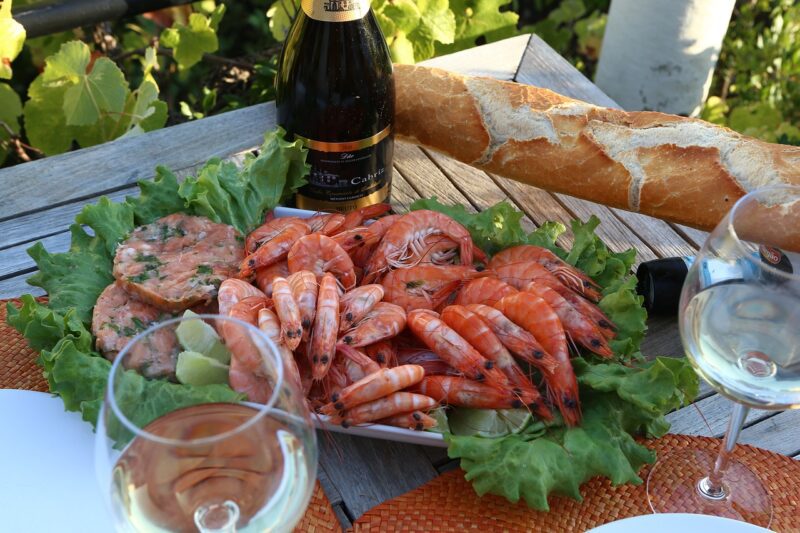
Light fish usually works best with crisp whites that bring freshness rather than weight. Sauvignon Blanc, Albariño, Pinot Grigio, Muscadet, and Chablis all make sense here. Richer fish like salmon or tuna can handle fuller whites, dry rosé, and sometimes light reds such as Pinot Noir.
For a deeper look at this area, The Ultimate Guide to Pairing Wine with Fish is the most direct internal companion.
Red meat
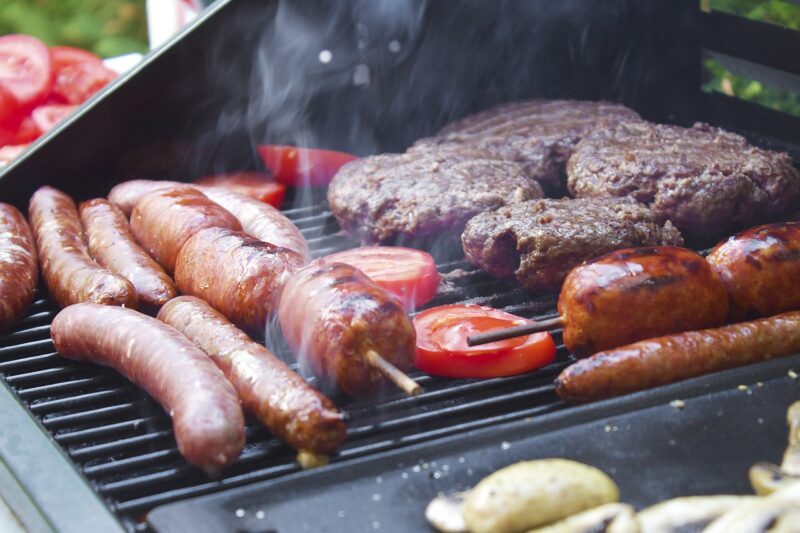
Red meat and structured red wine is a classic for a reason. Protein, fat, salt, and char can make tannic reds feel smoother and more complete. Cabernet Sauvignon, Syrah, Malbec, Tempranillo, Nebbiolo, and Bordeaux blends often work very well with steak, lamb, braised beef, and other richer meat dishes.
Chicken and pork
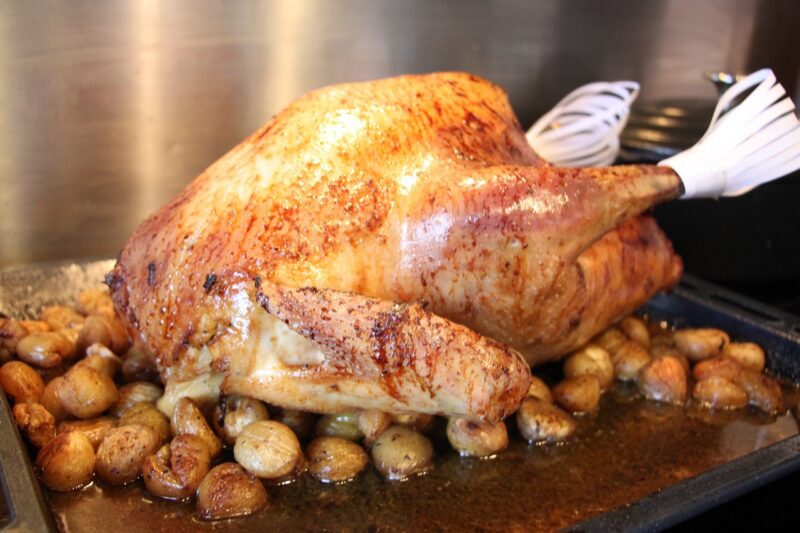
These are flexible categories, which is why sauce matters so much. Roast chicken can work with Chardonnay, Pinot Noir, Chenin Blanc, or even lighter Rhône-style reds. Pork can work with fruity reds, richer whites, rosé, or sparkling wine depending on whether the dish is roasted, glazed, grilled, creamy, or spicy.
Pasta and tomato-based dishes
Tomato brings acidity, which often makes high-acid reds and Italian wines especially useful. Chianti, Sangiovese-based wines, Barbera, and some lighter reds can all work very well. Rich cream sauces move the pairing in a different direction, often toward fuller whites or softer reds.
Spicy food
Riesling is one of the safest and smartest answers here, especially if it has a little residual sugar. Gewürztraminer, some Chenin Blanc, and other aromatic whites can work too. The goal is usually freshness, aroma, and enough softness to avoid making the heat feel harsher.
Cheese
Cheese pairing is broader than people think. Creamy cheeses often work with whites and sparkling wines. Hard salty cheeses can be excellent with reds. Blue cheese is famous with sweet wines for good reason. Say Cheese to Your Wine: A Basic Guide to Wine and Cheese Pairing covers this in more detail.
Dessert
This is where a lot of pairings go wrong. Most dry wines look weak next to dessert. Sweet wines, fortified wines, Moscato, Sauternes, Tokaji, Port, and some late-harvest wines are usually the better place to start.
Classic combinations that genuinely work
Some pairings are classics because they really do work, not because the wine world likes repeating itself.
- Sauvignon Blanc with goat cheese or fresh seafood
- Chardonnay with roast chicken, lobster, or creamy pasta
- Pinot Noir with salmon, duck, or mushroom dishes
- Cabernet Sauvignon with steak or lamb
- Riesling with spicy food
- Champagne or other sparkling wine with fried food, oysters, or canapés
- Port with blue cheese or dark chocolate
- Sangiovese with tomato-based pasta dishes
These combinations are useful not because they are laws, but because they help you build instincts. Once you see why they work, you can start improvising more confidently.
Common pairing mistakes to avoid
The first common mistake is focusing only on the wine and not enough on the dish. A bottle can be excellent and still be wrong for the meal.
The second is ignoring sweetness. This is especially damaging with dessert pairings, but it also matters with spicy cuisine.
The third is overusing oak and heavy alcohol in situations that call for freshness. A big oaky wine next to delicate food can flatten everything.
The fourth is assuming red meat always means the biggest red on the shelf. Sometimes a more balanced or fresher red works better than a huge, extracted one.
The fifth is forgetting serving temperature. Even a good pairing can feel off if the wine is too warm or too cold. The Ultimate Guide to Wine Serving Temperatures fits naturally here because temperature affects the pairing more than many people realize.
The sixth is treating pairing as rigid law instead of guided experimentation. Rules help, but they are there to improve your instincts, not replace them.
How to get better at pairing fast
The fastest way to improve is to compare pairings side by side. Pour one wine with the dish you are eating and then try a different style. The contrast teaches much faster than theory on its own.
It also helps to keep a short note on what worked and why. Was it the acidity? The sweetness? The tannin softening with the food? The match of weight? Those patterns build real confidence.
Another good habit is to taste wines with food more slowly. A pairing that seems average on the first sip can improve over a few bites, or the opposite can happen. Good pairing is not always instant. Sometimes it reveals itself after a little back-and-forth.
For more dish-led inspiration, Specific Food Dish & Wine Pairing Inspiration is worth exploring. And for practical food ideas, Cooking with Wine: Delicious Recipe Inspiration can help bridge the gap between theory and what actually ends up on the table.
The best way to think about pairing
The best way to think about wine and food pairing is not as a set of rigid commandments, but as a way of making both the wine and the meal more enjoyable. Start with weight. Think about acidity, tannin, sweetness, and spice. Pay attention to the sauce. Notice how salt and fat change a wine. Then trust your own palate enough to keep experimenting.
That balance between structure and freedom is what makes pairing so rewarding. There are rules that genuinely help, but there is also a lot of room for personal preference. Some people love contrast. Others prefer harmony. Some like richer pairings. Others prefer freshness and lift. All of that is part of the fun.
In the end, the best pairing is not the one that sounds most sophisticated on paper. It is the one that makes the meal feel more complete. Once you focus on that, pairing stops being intimidating and starts becoming one of the most enjoyable parts of drinking wine.
Read next
- Specific Food Dish & Wine Pairing Inspiration
- Say Cheese to Your Wine: A Basic Guide to Wine and Cheese Pairing
- The Ultimate Guide to Wine Serving Temperatures
Last updated: