
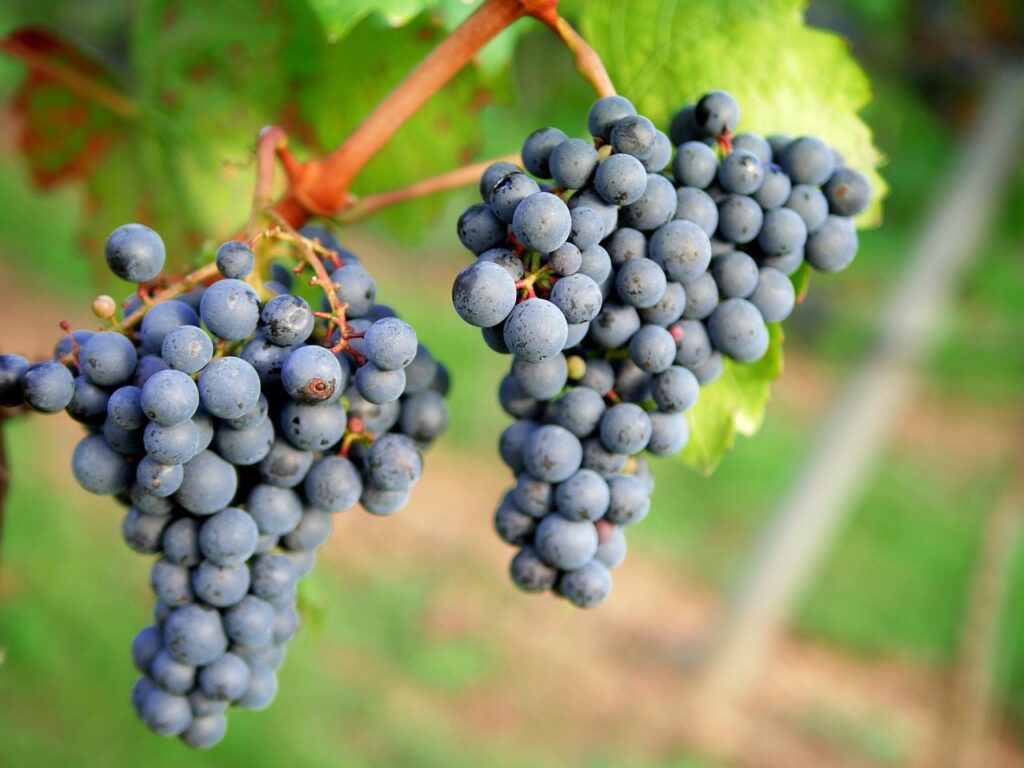
The Merlot grape has long been one of the most widely loved red wine varieties in the world. It is smooth without being simple, generous without always being heavy, and versatile enough to work both on its own and in some of the most famous blends ever made. For many drinkers, Merlot is the red wine that first made serious wine feel approachable. For others, especially collectors and Bordeaux lovers, it is a grape capable of remarkable depth, nuance, and age-worthiness.
That wide appeal is part of what makes Merlot so important. In one bottle, it can be juicy, soft, and fruit-forward, full of plum and black cherry with silky tannins that make it easy to enjoy young. In another, it can become layered, structured, earthy, and complex, especially when grown in the right terroir and handled with care in the cellar. This flexibility has helped Merlot travel far beyond its historic home in Bordeaux and establish itself across the world, from California and Chile to Italy and beyond.
In this guide, we take a full look at the Merlot grape, from its origins in France to its defining characteristics, ideal growing conditions, major wine regions, cellar techniques, food pairings, and why it continues to matter so much in the modern wine world.
Key takeaways
- Merlot originated in Bordeaux and remains one of the key grapes of the region, especially on the Right Bank.
- It is known for soft tannins, plush texture, and fruit flavors such as plum, black cherry, blackberry, and raspberry.
- Merlot thrives in temperate climates and well-draining soils, especially clay and gravel.
- Top Merlot regions include Bordeaux, Napa Valley, Tuscany, and Chile.
- Merlot can be approachable when young, but the best examples can age beautifully and gain earthy, savory complexity.
Table of contents
- What is Merlot?
- Origins and history of Merlot
- What Merlot tastes like
- Why Merlot became so popular
- Terroir and growing conditions
- Winemaking techniques for Merlot
- Major Merlot regions
- Food pairings with Merlot
- Why Merlot still matters
What is Merlot?
Merlot is a red grape variety best known for producing wines with soft tannins, generous fruit, and a smooth, velvety texture. It is one of the most planted red grapes in the world and one of the foundational grapes of Bordeaux, especially in the Right Bank appellations such as Pomerol and Saint-Émilion.
Part of Merlot’s appeal comes from how approachable it can be. Compared with more tannic and structured grapes like Cabernet Sauvignon, Merlot usually feels rounder, softer, and easier to drink early. That does not mean it is less serious. In the best sites, Merlot can produce deeply complex wines with real aging potential, especially when supported by balanced acidity, careful vineyard work, and restrained winemaking.
Merlot is also an important blending grape. In Bordeaux, it often works alongside Cabernet Franc and Cabernet Sauvignon, adding flesh, softness, and fruit to wines that might otherwise feel harder or stricter. In many parts of the world, that role continues. Even when Merlot is bottled alone, it often carries the same strengths that make it so valuable in blends: balance, texture, charm, and breadth.
Origins and history of Merlot
The Merlot grape is most closely associated with Bordeaux, where it has been cultivated for centuries and where it became one of the region’s defining red varieties. The name is thought to come from the French word merle, meaning blackbird, likely a reference either to the dark color of the grapes or to the birds’ fondness for eating the ripe fruit in the vineyard.
Bordeaux shaped Merlot’s reputation. While Cabernet Sauvignon became the signature grape of the Médoc and the Left Bank, Merlot found its greatest expression on the Right Bank, especially in Pomerol and Saint-Émilion. There, clay-heavy and mixed soils, combined with a relatively temperate climate, allowed Merlot to ripen beautifully and deliver wines with plush fruit, depth, and supple structure. Over time, Merlot became the dominant grape in many Right Bank vineyards, not just a supporting player.
Its spread beyond Bordeaux came gradually, then rapidly. Once growers and winemakers in other regions understood how adaptable Merlot could be, it began to appear around the world. California embraced it for its ripe, fruit-driven style. Chile found success with fresher, balanced expressions. Italy used it both on its own and in blends, especially in Tuscany. Today, Merlot is one of the most internationally recognized red grapes, but its identity remains tied to Bordeaux, where its finest and most historic wines still set the standard.
That history matters because Merlot’s reputation has not always been simple. At times it became so popular that the market filled with soft, easy-drinking versions that lacked structure or identity. That led some drinkers to underestimate the grape. But serious Merlot never disappeared. The great bottles from Bordeaux, and the best examples from other regions, kept showing that this grape is capable of much more than easy fruit. It can be subtle, age-worthy, and profoundly expressive when planted in the right place.
What Merlot tastes like
Merlot is usually associated with dark fruit, plush texture, and softer tannins, but its flavor profile changes noticeably depending on climate, soil, and winemaking style.
Dark fruit and red fruit
The most common fruit notes in Merlot include black cherry, plum, blackberry, raspberry, and sometimes blueberry. In warmer climates, the fruit often becomes richer and riper, leaning toward jammy plum, black fruit, and even chocolate-covered berry impressions. In cooler or more restrained examples, Merlot can show fresher red fruit, more lift, and a tighter overall profile.
Texture and tannin
One of Merlot’s defining traits is its texture. It is often described as smooth, soft, velvety, or plush. Compared with Cabernet Sauvignon, Merlot typically has gentler tannins and feels rounder on the palate. This is a major reason why the grape became so popular with a broad audience. It is often generous without being aggressive.
Secondary and earthy notes
With age, and especially in serious terroir-driven examples, Merlot develops more than fruit. It can show tobacco, cedar, cocoa, truffle, leather, damp earth, and savory spice. In classic Bordeaux, these non-fruit notes are part of what makes mature Merlot so compelling. They give the wine depth and keep it from feeling merely ripe or sweet-fruited.
Body and freshness
Merlot usually sits in the medium to full-bodied range. It has enough weight to feel satisfying, but when well made it still carries enough freshness to avoid heaviness. That balance between richness and drinkability is one of the grape’s biggest strengths. Great Merlot feels complete rather than simply big.
Why Merlot became so popular
Merlot became globally successful because it solved a problem for many wine drinkers. It offered the color, warmth, and fruit of red wine without the harder edges that can make some other varieties intimidating. It was a red wine people could understand quickly. Soft tannins, ripe fruit, moderate structure, and generous texture made it immediately accessible.
But popularity alone does not explain Merlot’s staying power. Many grapes have had commercial success. Merlot endured because it is also genuinely versatile. It works as a varietal wine, as a blending grape, in cooler climates, in warmer climates, and in both early-drinking and age-worthy styles. It can be a weeknight bottle or part of a world-class cellar. That flexibility is rare.
Merlot also became important because it offered something valuable to winemakers. It ripens earlier than Cabernet Sauvignon, which can be crucial in regions where weather late in the season becomes risky. It contributes softness and flesh to blends. It can express terroir clearly. And when yields are kept under control, it can become much more serious than its easy-drinking image suggests.
Terroir and growing conditions
Merlot is adaptable, but it performs best under certain conditions that allow it to ripen fully while preserving balance.
Climate
Merlot generally thrives in temperate climates. It likes enough warmth to develop its dark fruit profile and smooth texture, but not so much heat that it becomes flat, overripe, or overly alcoholic. One reason Bordeaux suits Merlot so well is that the grape can reach ripeness there more reliably than Cabernet Sauvignon, especially in cooler or wetter years.
In warmer climates, Merlot becomes richer and more fruit-driven. In cooler conditions, it can be firmer, fresher, and more herbal. Neither style is automatically better. The key is balance. Too much heat can make Merlot feel broad and lose definition. Too little can leave it under-ripe and green.
Soils
Soil has a major effect on Merlot. Clay-rich soils are especially important because they retain moisture and can help the grape ripen evenly while also supporting wines with plushness and depth. This is one reason Pomerol is such a famous Merlot region. Gravelly soils, by contrast, can add drainage, concentration, and structure. Mixed soils can create more nuanced expressions depending on site and vine age.
The best Merlot vineyards usually have good drainage. Waterlogged conditions can weaken the vine and dilute the fruit. Well-chosen soils help Merlot deliver both generosity and definition.
Canopy and yield management
Merlot can overproduce if not controlled. That is why canopy management, pruning, and yield regulation matter so much. Too much fruit on the vine can lead to dilute wines with soft but vague character. Serious producers keep yields in check so that Merlot’s natural plushness is supported by concentration and detail.
Winemaking techniques for Merlot
Merlot’s natural softness means the winemaking approach often aims to preserve fruit while building enough structure for balance and aging.
Fermentation
Merlot is typically fermented warm enough to extract good color and flavor, but the winemaker has to be careful not to create a wine that feels over-extracted or coarse. Because Merlot already has a relatively soft tannin profile, the focus is often on preserving purity and texture rather than forcing power.
Oak aging
Many quality Merlot wines spend time in oak barrels. Oak can add vanilla, spice, toast, cocoa, cedar, and structural polish. In richer styles, especially from Napa Valley or some Bordeaux estates, new oak may play a visible role. In more restrained wines, the goal is usually integration rather than obvious wood flavor. Oak can elevate Merlot beautifully, but too much can make the wine feel sweet, heavy, or generic.
Blending
Merlot is one of the world’s great blending grapes. In Bordeaux, it often works with Cabernet Franc and Cabernet Sauvignon. Merlot adds softness, volume, and ripe fruit, while the others contribute structure, lift, and backbone. This is one of the great classic partnerships in wine.
Outside Bordeaux, Merlot may also appear in blends with Syrah, Cabernet, or local varieties depending on region. Its role is usually the same: to bring roundness and fruit to the final wine.
Aging potential
Not all Merlot is made to age, but the best examples absolutely can. Serious Merlot from top terroirs develops tertiary aromas and greater complexity over time, moving beyond fruit into tobacco, truffle, leather, cedar, and earth. Wines from top Right Bank Bordeaux estates are the clearest proof of this.
Major Merlot regions
Bordeaux, France
Bordeaux remains the most important region in Merlot’s story. On the Right Bank, especially in Saint-Émilion and Pomerol, Merlot becomes profound. Pomerol in particular is famous for clay-heavy soils that seem perfectly suited to the grape, producing wines with plush fruit, velvety texture, and impressive depth. Saint-Émilion, often blended with Cabernet Franc, delivers wines that can combine ripe fruit with elegance and structure.
These are some of the world’s benchmark Merlot-based wines and the clearest argument against the idea that Merlot is merely simple or soft. At the top level, it is one of the great fine wine grapes.
Napa Valley, USA
Napa Valley helped make Merlot globally famous outside Europe. The wines here are usually richer, riper, and more fruit-driven than in Bordeaux, often showing black cherry, plum, blackberry, cocoa, vanilla, and plush oak influence. Napa Merlot can be generous and luxurious, and the best examples balance that opulence with enough freshness to stay composed.
Some Napa Merlot is designed for early pleasure. The best bottles, though, can age well and gain savory complexity with time.
Tuscany, Italy
In Tuscany, Merlot plays an important role both as a varietal wine and in blends, especially in the Super Tuscan category. It can soften and round out Sangiovese or stand on its own in rich, polished wines. Tuscan Merlot often combines ripe fruit with Mediterranean warmth, but good producers keep enough structure and acidity to avoid heaviness.
Chile
Chile has become one of the most reliable sources of high-value Merlot. Depending on the region, Chilean Merlot can be plush and fruit-driven or fresher and more structured. Cooler influences from the Pacific and the Andes can help preserve balance, which is why many Chilean examples offer freshness alongside ripe fruit.
Other notable regions
Merlot also performs well in Washington State, parts of California beyond Napa, parts of South Africa, and several regions in Australia. Its global spread reflects just how adaptable the grape is, but the most convincing examples still come from places that combine enough warmth for ripeness with enough restraint for structure.
Food pairings with Merlot
Merlot is one of the most flexible red wines at the table because its moderate tannins and plush texture allow it to work with a wide range of dishes.
Roast meats and beef
Merlot pairs very well with roast beef, lamb, duck, and other savory meat dishes. The wine’s fruit and softness help match the richness of the meat without fighting it.
Pasta and tomato-based dishes
Its fruit-forward style and medium body make Merlot a strong option for pasta dishes with tomato sauces, meat ragù, or roasted vegetables.
Mushrooms and earthy dishes
As Merlot ages and develops tobacco, earth, and truffle notes, it becomes especially good with mushroom dishes, risotto, and other savory foods that echo those flavors.
Cheese
Merlot works well with many medium-intensity cheeses, especially those that are creamy, nutty, or semi-firm rather than extremely sharp or salty.
For broader pairing ideas, our articles on food and wine pairing basics and cheese and wine pairing are useful next reads.
Why Merlot still matters
Merlot still matters because it offers something many grapes struggle to achieve: genuine accessibility without giving up the possibility of seriousness. It can be soft and open enough for beginners, but deep and age-worthy enough for collectors when grown in the right sites and handled properly.
It also matters because it plays multiple roles at a high level. As a varietal wine, it can be lush, charming, and full of fruit. In blends, it can transform structure and drinkability. In Bordeaux, it is indispensable. In many other parts of the world, it remains a reliable path to high-quality red wine that does not need decades in the cellar to be enjoyable.
Perhaps most importantly, Merlot matters because it has been misunderstood. Its broad popularity led to too many soft, generic examples, and that temporarily blurred its reputation. But the grape itself never lost its quality. The best Merlot still shows exactly what made it famous in the first place: texture, balance, generosity, and the ability to carry both fruit and complexity with ease.
When Merlot is planted in the right place and treated with respect, it is not just easy to like. It is deeply worth taking seriously.
Click here to see an overview of all the grape varieties.
Read next
- Overview of the Grape Varieties of the World
- Cabernet Sauvignon Red Wine Grape
- Food and Wine Pairing: The Basic Concepts
Last updated:
