
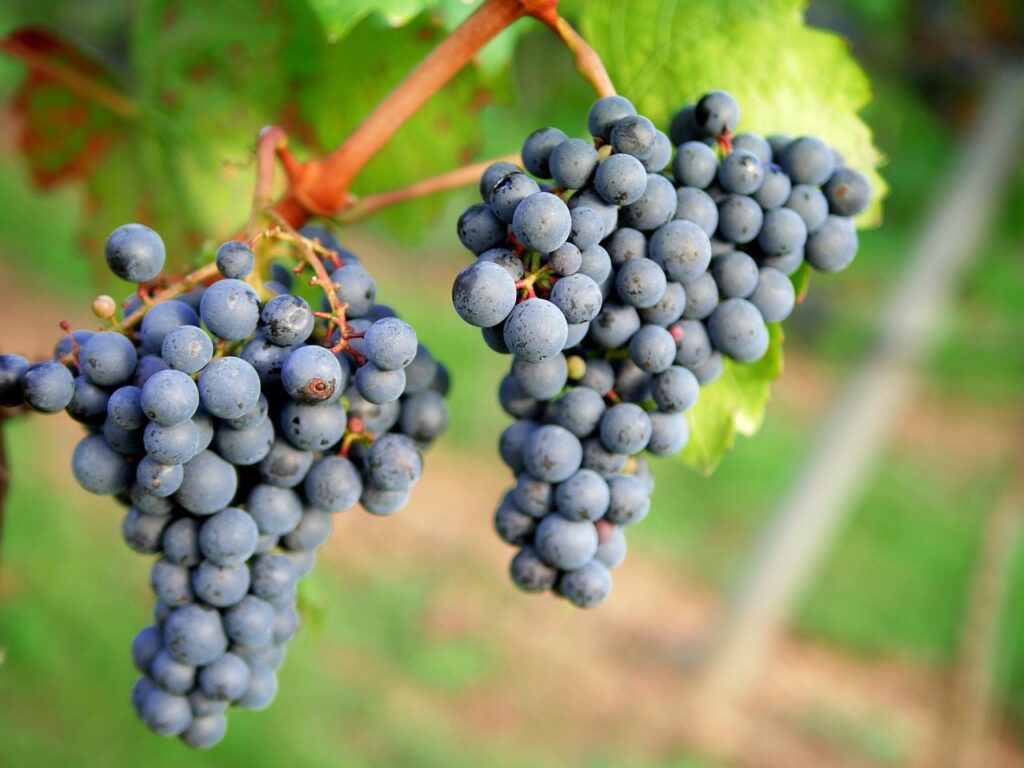
Zinfandel is one of the most recognizable red wine grapes in the New World, but its story starts much earlier and much farther east. Known as Primitivo in Italy and Crljenak Kaštelanski in Croatia, this grape has traveled across borders, languages, and wine cultures before becoming one of California’s signature varieties. That long journey is part of what makes Zinfandel so interesting. It can feel unmistakably American in one bottle, deeply Mediterranean in another, and yet the thread connecting them is still easy to spot.
At its best, Zinfandel is bold, generous, spicy, and full of personality. It often shows ripe blackberry, raspberry jam, black cherry, plum, pepper, baking spice, and sometimes a slightly wild edge that makes it feel less polished than Cabernet Sauvignon and more expressive from the first sip. It can be plush and powerful, but it can also surprise you with freshness, lift, and detail, especially from old vines or cooler sites.
This is also a grape with unusual range. Zinfandel can produce juicy everyday reds, serious oak-aged wines, rosé, dessert styles, and blends with real complexity. In California, it became a category of its own. In southern Italy, Primitivo built a reputation for richness and warmth. In Croatia, the grape gained renewed attention once its genetic link to Zinfandel was confirmed, bringing the whole story full circle.
In this guide, we look at where Zinfandel came from, how it became famous, what it tastes like, which regions matter most, how it is made, and why it still deserves serious attention from wine lovers.
Key takeaways
- Zinfandel, Primitivo, and Crljenak Kaštelanski are genetically the same grape.
- The variety likely originated in Croatia before spreading to Italy and later California.
- Zinfandel is known for ripe berry fruit, spice, pepper, relatively high alcohol, and a plush texture.
- California remains the grape’s most iconic home, especially for old-vine expressions.
- Primitivo in Puglia often shows a warmer, fuller, more Mediterranean style.
Table of contents
- What is Zinfandel?
- Origins and history
- Flavor profile and structure
- Why Zinfandel is so distinctive
- Terroir and growing conditions
- Key Zinfandel and Primitivo regions
- Winemaking techniques
- Food pairings
- Why Zinfandel still matters
What is Zinfandel?
Zinfandel is a black-skinned red wine grape that became especially famous in California, where it developed a reputation for ripe fruit, generous body, and a spicy, often jammy profile. For years, it was treated almost like an American original. Modern DNA research changed that story by showing that California Zinfandel is genetically identical to Primitivo from southern Italy and Crljenak Kaštelanski from Croatia.
That discovery did not make the grape less interesting. It made it more interesting. Zinfandel is now one of the clearest examples of how the same variety can take on different accents depending on climate, soil, vine age, and local winemaking traditions. A ripe Napa or Paso Robles Zinfandel can feel broad, plush, and dark-fruited. A Primitivo from Puglia can be sun-filled and velvety. A Croatian example may show a more restrained and savory side.
Even within California, Zinfandel is not one thing. Some bottles are huge and robust, others are lifted and spicy, and the best old-vine examples can be layered, energetic, and far more complex than people expect.
Origins and history
The roots of Zinfandel stretch back to Croatia, where the grape was cultivated long before it became famous elsewhere. Under the name Crljenak Kaštelanski, it was part of local viticulture for centuries, though it later declined in visibility. For a long time, the connection between Croatian Crljenak, Italian Primitivo, and Californian Zinfandel was unclear. That mystery lingered until genetic testing finally linked them.
In Italy, the grape became known as Primitivo, especially in Puglia. The name is often associated with the grape’s early ripening habit, and the variety adapted well to the warm southern climate. Puglia gave the grape a different public identity, tied to rich, dark, sun-driven reds.
California turned it into a true icon. Zinfandel arrived in the nineteenth century and proved exceptionally well suited to many Californian regions. Over time it became deeply linked to the state’s wine history, particularly before and after Prohibition, when older vineyard plantings helped preserve the variety’s legacy. Some of California’s old Zinfandel vines are now among the most celebrated in the state.
The grape’s history also says something larger about wine. Names change. Countries claim styles. Consumers attach a variety to one place. But vines travel, and grape identity often turns out to be more layered than people think. Zinfandel is a perfect example of that.
Flavor profile and structure
Zinfandel is not subtle in the way Pinot Noir can be subtle, and that is part of its appeal. When it is grown and made well, it offers intensity without becoming shapeless.
Dark and red fruit
The core profile usually includes blackberry, black cherry, raspberry, plum, blueberry, and sometimes a cooked or jammy fruit note. In warmer sites, those flavors can move into raisin, fig, or stewed berry territory. In fresher examples, especially from cooler pockets or balanced old-vine sites, the fruit can feel brighter and more lifted.
Spice and pepper
One of the signatures of Zinfandel is its spice. Black pepper, cinnamon, clove, licorice, and anise can all appear, depending on site and élevage. That spicy edge is often what stops the wine from feeling like pure fruit. It gives Zinfandel a savory streak that is easy to underestimate.
Body, tannin, and alcohol
Zinfandel is usually medium- to full-bodied. Tannins are often softer than Cabernet Sauvignon, but the wines can still have enough grip to handle rich food. Alcohol levels are frequently high because the grape accumulates sugar readily, especially in warm climates. When handled well, that richness feels generous. When handled badly, it can make the wine taste hot or overblown.
If you enjoy ripe, powerful reds, our guide to Syrah is also worth reading. Syrah often shares Zinfandel’s dark fruit and spice, though the structure and regional expressions are different.
Why Zinfandel is so distinctive
Zinfandel has a few traits that make it stand apart from many other major red grapes.
Uneven ripening
One of the practical challenges with Zinfandel is that clusters can ripen unevenly. Winemakers may see underripe berries and very ripe berries in the same vineyard block, sometimes even in the same cluster. That creates decisions at harvest. Pick earlier and you risk greener elements. Pick later and you can push sugar and alcohol very high.
Old vines matter
Many of the most admired California Zinfandels come from old vines. Lower yields, deeper root systems, and naturally concentrated fruit can all contribute to more complex wines. These bottles often show more balance than simpler commercial examples and can be genuinely serious wines.
From red to rosé to sweet styles
Zinfandel has also been made in a wide range of styles, including the famous White Zinfandel rosé category that introduced many drinkers to wine in the United States. That sweeter pink style is very different from old-vine dry red Zinfandel, but it is still part of the grape’s broader cultural story.
For another grape with strong New World fame and real stylistic range, see our article on Malbec.
Terroir and growing conditions
Zinfandel likes warmth. That is the short version. But as with most grapes, the more interesting answer is in the details.
Warm climates
The grape performs best in warm to hot conditions where it can ripen fully and build its signature richness. Mediterranean climates are especially suitable. Regions with long, dry summers allow the fruit to develop concentration and sugar, which supports the full-bodied style many people associate with Zinfandel and Primitivo.
Dry conditions and drought tolerance
Zinfandel can handle dry conditions relatively well, especially when established on deep roots. This is one reason it has remained important in places like California and Puglia. That said, drought tolerance does not mean site does not matter. Extreme heat can still push the fruit too far and reduce freshness if the vineyard is not well managed.
Soil and site expression
Well-draining soils are generally preferred. In California, different vineyard sites can produce very different Zinfandels, from plush, dark-fruited examples to brighter, more peppery wines. In Puglia, the warm climate and local soils often give Primitivo a rich, generous texture and a more overtly Mediterranean feel.
Like many famous varieties, Zinfandel becomes much more compelling when the site keeps it in balance. Too much heat and crop load can make it clumsy. The right vineyard can make it sing.
Key Zinfandel and Primitivo regions
The grape’s identity shifts depending on where you meet it.
California
California is still the place most drinkers think of first, and for good reason. Sonoma, Napa Valley, Dry Creek Valley, Lodi, Paso Robles, and parts of Amador County have all played major roles in the grape’s story. California Zinfandel can be plush, spicy, and fruit-driven, but the best bottles are also balanced and site-specific.
Dry Creek Valley is especially associated with classic Zinfandel, often showing ripe berry fruit, pepper, and structure without going fully over the top. Lodi is home to many old vines and can offer excellent value, while Paso Robles tends to produce riper, denser styles.
Puglia
In southern Italy, Primitivo is the grape’s most familiar name. Puglia’s warm climate suits it naturally, and the wines often show ripe black fruit, plum, spice, and softness. Primitivo di Manduria is one of the best-known appellations and often gives a fuller, richer style with real warmth and concentration.
Croatia
Croatia matters not because it produces the biggest volume, but because it gives the grape historical depth. Crljenak Kaštelanski is where the story begins, and modern interest in Croatian examples has helped restore attention to the grape’s origins.
For another grape whose identity is closely tied to region and naming differences, read our guide to Tempranillo.
Winemaking techniques
Zinfandel’s style can change significantly depending on how the fruit is handled.
Fermentation choices
Warm fermentation can help extract color, fruit, and spice, building the robust style many producers want. Cooler handling can preserve freshness and aromatics, especially if the goal is a more lifted profile.
Oak aging
Oak is often used to add structure and complexity. American oak can emphasize vanilla, sweet spice, and toast, while French oak tends to be subtler. In powerful Zinfandel, oak can help frame the wine, but too much can make an already ripe grape feel heavy.
Blending
Zinfandel is sometimes blended with Petite Sirah, Carignan, Mourvèdre, or other varieties to add color, tannin, or savory depth. In some old-vine California vineyards, field blends still exist, and those mixed plantings can produce particularly characterful wines.
Rosé and sweet styles
Not every Zinfandel needs to be a dense red. Rosé versions can be bright and fruity, and sweeter styles still have an audience. White Zinfandel may not be the most serious expression of the grape, but it has been commercially important and remains part of the grape’s broader story.
If you are interested in how production choices shape flavor more broadly, our article on how red wine is made is a useful companion read.
Food pairings
Zinfandel is one of the easiest reds to pair with boldly flavored food.
Barbecue and grilled meat
This is the classic match. The ripe fruit, spice, and body work naturally with grilled ribs, burgers, sausages, brisket, and smoky sauces. Zinfandel does not disappear next to char and sweet-salty glaze.
Pizza, pasta, and tomato-based dishes
The grape’s fruit intensity and spice make it a strong match for pizza, baked pasta, lasagna, and richer tomato sauces. Softer tannins help it stay flexible at the table.
Spiced food
Zinfandel can also work with dishes that have heat or sweetness built in, especially if the wine is fruit-forward rather than extremely dry and tannic. Think barbecue glaze, spiced meat dishes, or even some Mexican fare.
For more pairing ideas, see our pieces on food and wine pairing basics and pairing steak with red wine.
Why Zinfandel still matters
Zinfandel still matters because it offers something many polished international reds do not. It has personality. It is often exuberant, sometimes a little unruly, frequently generous, and when made well it can be much more complex than its critics admit.
It also tells a broader story about wine identity. A single grape can be Croatian, Italian, and Californian all at once. It can be a historic Mediterranean variety and an American icon. That combination of heritage and reinvention gives Zinfandel unusual cultural weight.
The best bottles prove that the grape is not just about jammy fruit and high alcohol. Old-vine examples from California, serious Primitivo from southern Italy, and the renewed Croatian focus on Crljenak all show that this is a grape worth taking seriously. It can be bold without being crude, ripe without losing its core, and expressive in ways that make it memorable.
If you want a red that feels generous, spicy, and rooted in real history, Zinfandel deserves a place in the conversation. It has traveled a long way to earn that place.
Read next
Last updated:
