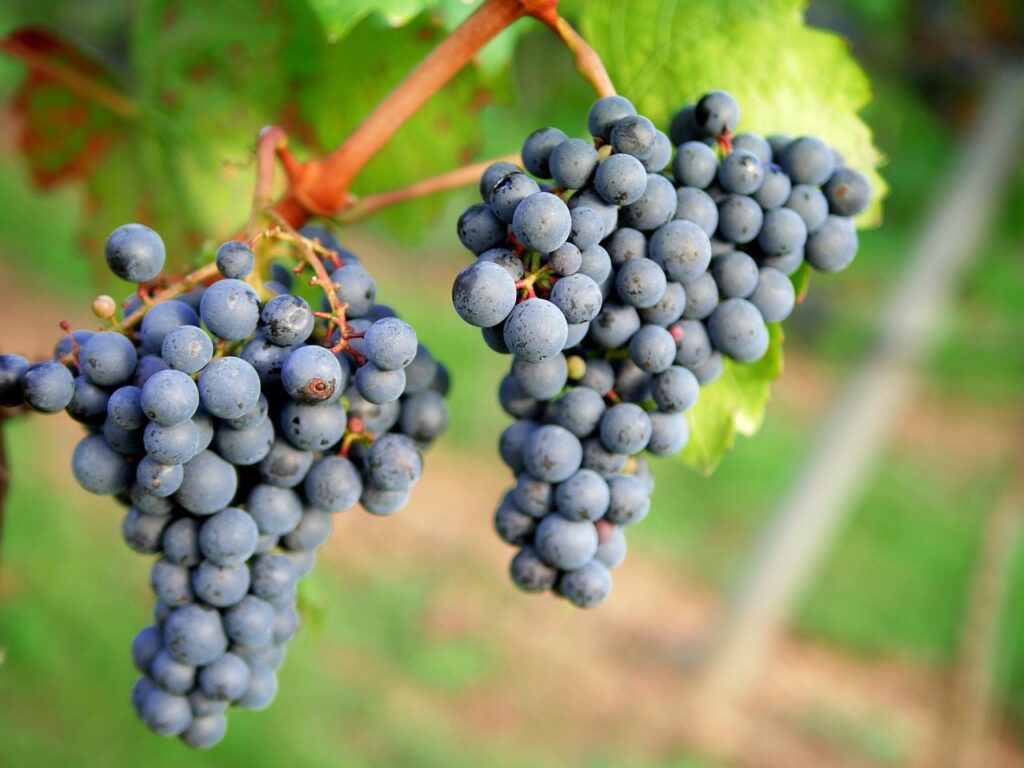

Viognier is one of the most distinctive white grapes in the wine world. Even people who are not deeply into wine often remember it once they smell it. The aromas can be intense and unmistakable, with apricot, peach, honeysuckle, orange blossom, and sometimes a richer, almost exotic perfume that makes it stand apart from more restrained white varieties. That aromatic power is exactly what makes Viognier so appealing, but it is also what makes the grape easy to misunderstand.
At its best, Viognier is not just floral and fruity. It can be textured, layered, and surprisingly serious. The finest examples combine fragrance with freshness, ripeness with balance, and richness with enough lift to keep the wine from feeling heavy. That balance is not easy to achieve. Viognier is a grape that can quickly tip from beautiful to broad if the site is wrong or the winemaking is too aggressive. When it works, though, it creates some of the most expressive white wines you can pour into a glass.
This is also a grape with a dramatic backstory. Viognier came dangerously close to disappearing in the twentieth century before a small number of dedicated growers helped bring it back. Today, it is grown far beyond its Rhône Valley home, with producers in California, Australia, South America, and elsewhere putting their own stamp on it. Still, the best bottles keep circling back to the same core strengths: perfume, texture, and personality.
In this guide, we look at where Viognier comes from, what it tastes like, why it is so hard to get right, how different regions shape its style, and why this once nearly lost grape now deserves a place in any serious conversation about white wine.
Key takeaways
- Viognier is an aromatic white grape best known for notes of apricot, peach, honeysuckle, orange blossom, and spice.
- Its historic home is the Northern Rhône, especially Condrieu, where it produces some of the world’s most distinctive white wines.
- Viognier often has a rich texture and moderate acidity, so balance in the vineyard and cellar is crucial.
- It nearly disappeared in the twentieth century before being revived and planted more widely around the world.
- Modern Viognier can range from fresh and floral to fuller, oak-influenced styles with more weight and complexity.
Table of contents
- What is Viognier?
- Origins and history
- Flavor profile
- Texture, acidity, and structure
- Terroir and growing conditions
- Viognier in the Rhône and beyond
- Winemaking techniques
- Food pairings
- Why Viognier is worth knowing
What is Viognier?
Viognier is a white grape variety most closely associated with the Northern Rhône in France. It is famous for producing highly aromatic wines with generous stone fruit character and a naturally rich mouthfeel. That combination makes it unusual. Many aromatic white grapes lean light and sharp, but Viognier often brings more body and softness, which changes how it behaves in the glass and at the table.
One of the reasons Viognier is so interesting is that it feels both luxurious and fragile. It can make wines with gorgeous perfume and a silky texture, but the grape is not especially forgiving. It tends to perform best when yields are kept low and ripeness is judged carefully. Pick too early and the wine may feel flat or thin. Pick too late and it can lose energy and become overly lush. That narrow window is part of the reason truly great Viognier is less common than great wines from easier grapes.
It is also a grape that can work in different roles. Most obviously, it appears as a varietal white wine, especially in Condrieu. But it also has a long history of being used in small amounts alongside red grapes, particularly Syrah, to lift aroma and polish texture. That unusual relationship has given Viognier a second kind of importance beyond white wine alone.
Origins and history
Viognier’s spiritual home is the Northern Rhône, and Condrieu remains the place most closely tied to the grape’s identity. The exact beginnings of Viognier are still debated, but for practical purposes its story is inseparable from this part of France. Over the centuries it established itself there as a local specialty, making wines that were strikingly aromatic and unlike the more neutral white styles found elsewhere.
For a long time, though, Viognier was never a globally dominant grape. It remained relatively local and limited, admired by those who knew it but never planted on the same scale as varieties like Chardonnay or Sauvignon Blanc. Then things got worse. By the mid twentieth century, Viognier had fallen so far out of favor that it was close to extinction. Tiny plantings remained in the Rhône, but the grape had become difficult to justify commercially. Low yields, farming difficulty, and shifting market preferences all worked against it.
That near-disappearance is part of what makes its comeback so remarkable. A small group of growers in the Rhône decided the grape was worth preserving, and over time Viognier slowly recovered. As quality improved and more people discovered the grape’s perfume and texture, interest spread beyond France. Producers in California, Australia, Chile, Argentina, and other regions began planting it, often because they were drawn to its ability to deliver something more expressive and unusual than standard white varieties.
So Viognier’s history is not just about ancient roots. It is also about survival. The fact that it nearly vanished gives the modern revival real weight. Every good bottle feels tied to that recovery story.
Flavor profile
Viognier is one of the easiest grapes to recognize on aroma alone, especially when the wine is well made and not overoaked. The profile can be exuberant, but it is not random. There are some clear recurring signatures.
Stone fruit at the center
Apricot and peach are the classic Viognier notes. In many wines they form the core of the fruit profile, often joined by nectarine, ripe pear, tangerine, or mango. In warmer sites, these notes can become more lush and tropical. In fresher sites, they stay more lifted and precise.
Flowers and perfume
Viognier’s floral side is a huge part of its appeal. Honeysuckle, orange blossom, acacia, jasmine, and sometimes even rose-like notes can all show up. These are not faint background details. In many wines they define the first impression and shape the whole personality of the wine.
Spice and exotic tones
Beyond fruit and flowers, Viognier can carry subtle spice, ginger, or even a slightly musky, exotic edge. This is one reason the grape can feel almost heady when it is at full aromatic intensity. It does not smell generic. It smells unmistakably like itself.
If you enjoy aromatic whites more broadly, our guide to Sauvignon Blanc offers a helpful contrast. Sauvignon Blanc tends to lean more sharply herbal and citrus-driven, while Viognier usually moves toward perfume, stone fruit, and texture.
Texture, acidity, and structure
Viognier is not only about aroma. In fact, the mouthfeel is one of the biggest reasons serious drinkers keep coming back to it.
Rich texture
Good Viognier often has a broad, smooth, almost creamy texture. It can feel generous on the palate even without oak. That natural richness is one of the grape’s defining strengths. It makes Viognier feel substantial in a way that many lighter whites do not.
Moderate acidity
Unlike Riesling or Sauvignon Blanc, Viognier is not usually built around high acidity. That means balance becomes especially important. Without enough freshness, the wine can feel heavy. When the fruit, texture, and acidity line up properly, though, Viognier feels lush without dragging.
This is also why Viognier can divide opinion. People who want very crisp, razor-sharp whites may find some examples too soft. People who appreciate texture and aromatic depth often find the grape irresistible.
Alcohol and ripeness
Viognier can reach fairly high alcohol levels, especially in warmer climates. That can add body and richness, but it also raises the stakes for the grower. A good Viognier should feel ripe, not hot. When the alcohol outruns the freshness, the wine loses shape.
For a white grape that shows a very different balance between perfume, texture, and acidity, see our article on Riesling.
Terroir and growing conditions
Viognier is highly site-sensitive, which is part of why the best examples are so compelling. It needs enough warmth to ripen fully, but too much heat can flatten it. It likes sunshine, but the finest wines often come from places where ripeness is balanced by some kind of natural restraint.
Warm but not brutal climates
Viognier generally prefers warm conditions, but not every warm region suits it equally. A site with sun and a decent day-night temperature shift often works well because it helps the grape develop aroma and flavor without losing all its freshness.
Well-drained soils
Like many quality wine grapes, Viognier performs best on soils that drain well and avoid excessive vigor. Granite is especially important in the Northern Rhône, where it contributes both structure and a certain stony tension. Elsewhere, limestone, sandy loam, and mixed rocky soils can also produce excellent results.
Moderate yields matter
This is a grape that needs attention in the vineyard. If the crop load is too high, the wine can become diffuse and less expressive. Lower yields usually mean more aromatic concentration and better textural depth. In practical terms, a lot of Viognier quality starts with the decision not to push for quantity.
Viognier in the Rhône and beyond
Viognier may be global now, but place still matters enormously with this grape. The regional differences are part of the fun.
Condrieu, France
Condrieu is the benchmark. This is where Viognier reaches its most classic and often most complete expression. The wines can be intensely aromatic yet still structured, with apricot, peach, flowers, spice, and a textured finish that feels both rich and detailed. Great Condrieu does not just smell good. It feels composed.
The Rhône also matters because Viognier is sometimes co-fermented with Syrah, especially in Côte-Rôtie. Even small amounts can lift the perfume and polish the texture of the red wine. That unusual relationship makes Viognier doubly important in the region.
California
California helped give Viognier a second life outside France. In the right sites, especially places with warmth balanced by cooling influences, it can produce very attractive wines with ripe stone fruit and a rounded texture. Some California examples lean broad and lush, while the best retain enough freshness to stay focused.
Australia
Australian producers have also had real success with Viognier. The style can range from fuller and more opulent to fresher and more restrained depending on region and cellar choices. Some Australian winemakers have also worked with Viognier in blends, drawing on Rhône inspiration.
Chile and Argentina
In South America, Viognier often benefits from altitude and cooling influences that help preserve its aromatic lift. The wines can be generous and fruit-driven but still fresh enough to avoid heaviness. These regions have helped prove that Viognier is not confined to one narrow model.
Winemaking techniques
Because Viognier already arrives with strong aroma and texture, cellar decisions have a big impact on style. The best producers tend to guide rather than force the grape.
Cold soaking and careful handling
Some winemakers use pre-fermentation cold soaking or other gentle extraction techniques to help capture aromatic compounds without introducing bitterness. Since Viognier’s perfume is one of its greatest strengths, preserving that detail matters.
Stainless steel versus oak
Fermenting or aging Viognier in stainless steel tends to preserve freshness, purity, and fruit definition. Oak, by contrast, can add texture and spice, but it has to be used carefully. Too much oak can bury the floral and stone fruit character that makes Viognier special.
Used with restraint, oak can work very well, especially when the goal is to add shape rather than overt wood flavor. For a broader look at how barrels influence wine, see our guide to oak in winemaking.
Lees aging
Lees contact is often a very good fit for Viognier. It can round out the wine, deepen the mid-palate, and add a subtle creamy element without dulling the fruit. Given the grape’s natural richness, lees aging can enhance texture in a way that feels seamless rather than heavy.
Balance above all
That is the thread tying all Viognier winemaking together. The grape does not need to be exaggerated. It already has aroma, body, and flavor. The real skill is keeping all of that in proportion.
Food pairings
Viognier is very useful with food, especially when you lean into dishes that match its texture and aromatic intensity.
Roast chicken, pork, and richer poultry dishes
The grape’s body and fruit profile make it an excellent match for roast chicken, turkey, pork loin, or dishes with creamy sauces and herbs. It has enough weight to stand alongside richer textures without feeling too sharp.
Spiced cuisine
Viognier can work beautifully with food that combines spice and fragrance, including certain Indian, Thai, and Moroccan dishes. Its fruit and floral notes soften heat and connect well with aromatic seasonings.
Seafood with richness
Lighter shellfish may be better with sharper whites, but richer seafood dishes like scallops with butter, lobster, or creamy seafood pasta can suit Viognier very well.
For broader matching principles, read our articles on food and wine pairing basics and cheese and wine pairing.
Why Viognier is worth knowing
Viognier is worth knowing because it offers something few other white grapes can. It is aromatic without being trivial, rich without automatically being heavy, and expressive in a way that makes even a single glass memorable. It does not always aim for the same kind of precision as Riesling or the same snap as Sauvignon Blanc. Instead, it wins people over through perfume, texture, and individuality.
It is also worth knowing because it tells an important story about wine culture. This is a grape that almost disappeared. It survived because enough growers and winemakers believed it still mattered. The bottles we enjoy now are the result of that belief, and the best of them still feel a little rare, a little special, and a little harder won than wines from easier grapes.
At the lower end, Viognier can be simple pleasure: ripe fruit, flowers, and softness. At the top end, it becomes a serious, layered white wine that can sit confidently beside much more famous grapes. That range is part of its charm. Viognier does not need to be common to be important. In many ways, its relative rarity is part of what keeps it interesting.
Read next
- Overview of the Grape Varieties of the World
- Riesling White Wine Grape Guide
- Everything About Oak in Winemaking
Last updated: