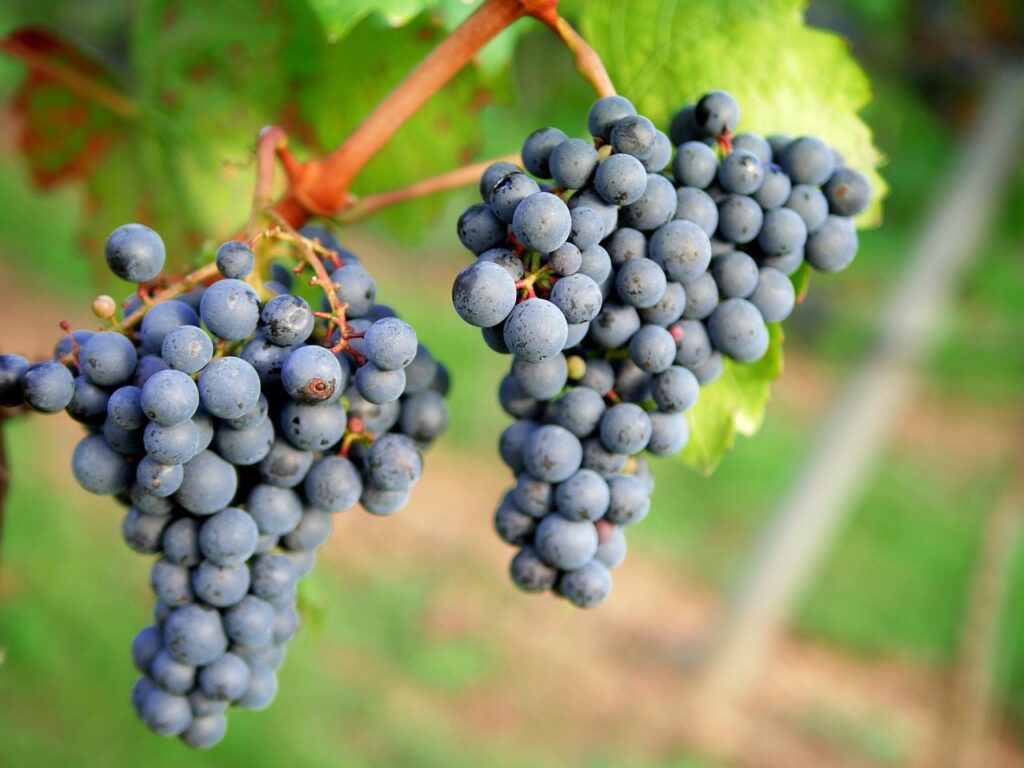

Vermentino is one of the Mediterranean’s most appealing white grapes. It tends to deliver exactly what many people want from a coastal white wine: freshness, citrus, stone fruit, herbs, and a salty, mineral edge that makes it feel made for seafood, sunshine, and simple food. While it is most closely associated with Italy, especially Sardinia and Liguria, Vermentino also has an important place in southern France and Corsica, where it is often known as Rolle.
What makes Vermentino so interesting is that it can be easygoing and serious at the same time. A young bottle can feel bright, zesty, and uncomplicated in the best way. A more ambitious version can show more texture, more depth, and a stronger sense of place. In both cases, the grape usually keeps its Mediterranean identity. You often get citrus peel, white peach, green apple, wild herbs, and that subtle saline character that makes the wine feel breezy and coastal rather than heavy.
In this guide, we look at where Vermentino likely came from, why it became such a natural fit for Mediterranean vineyards, what it tastes like, how climate and soils shape it, how winemakers handle it in the cellar, and which regions produce the most compelling examples. If you enjoy crisp white wines with personality, Vermentino is a grape worth getting to know better.
Key takeaways
- Vermentino is a Mediterranean white grape best known for freshness, citrus, herbs, and coastal minerality.
- It is most strongly associated with Sardinia, Liguria, Corsica, and southern France.
- Good Vermentino balances bright acidity with ripe fruit and a subtle salty edge.
- Stainless steel is common in winemaking, but lees aging can add more texture and depth.
- It is one of the best white wines for seafood, grilled vegetables, and Mediterranean cooking.
Table of contents
- What is Vermentino?
- Origins and history
- Taste and style
- Terroir and growing conditions
- Key Vermentino regions
- Winemaking techniques
- Food pairings
- Why Vermentino stands out
What is Vermentino?
Vermentino is a white wine grape that thrives in warm, coastal parts of the Mediterranean. It is most often made into dry white wine, though the exact style can vary from region to region. Some bottles are light, brisk, and citrus-driven. Others are broader, more textured, and more aromatic. The grape adapts well to sun, sea breezes, and poor soils, which is one reason it has become such a strong fit for island and coastal viticulture.
At its core, Vermentino is valued because it combines two things that do not always come together easily. It has enough fruit to feel generous and enjoyable, but it also has enough freshness and savoury edge to stay lively. That makes it useful at the table and appealing on its own.
In Italy, Vermentino is especially important in Sardinia and Liguria. In southern France and Provence, the same grape is often called Rolle. In Corsica, it is also an established part of local white wine culture. Across all of these places, the grape tends to reflect the same broad family of flavours while still showing meaningful regional differences.
Origins and history
The exact birthplace of Vermentino is still debated, which is part of what makes its story interesting. Most discussions place its roots somewhere in the wider Mediterranean, but there is no neat, universally agreed single origin point. Some theories connect it to Italy, others to older eastern Mediterranean vine routes, and some historical links suggest long movement through coastal trade networks before the grape settled into the regions where we now know it best.
What is clearer is that Vermentino found a durable home in Italy. Over time it became strongly associated with areas such as Sardinia, where it now feels almost native in identity if not in strict historical origin. It also spread across coastal France and Corsica, where it adapted well to sun, wind, and maritime conditions. That spread makes sense because Vermentino behaves like a true Mediterranean grape. It likes warmth, tolerates dry conditions well, and seems particularly expressive when grown close to the sea.
For a long time, Vermentino was valued more as a regional staple than as an international talking point. It did not have the glamour of Chardonnay or the global branding of Sauvignon Blanc. But that has changed steadily over the past few decades. As more wine drinkers started looking for whites with freshness, food-friendliness, and a stronger sense of place, Vermentino began to make more sense to a wider audience.
Its rise also fits a broader shift in wine culture. Drinkers have become more curious about regional grapes that say something clear about where they come from. Vermentino does that very well. It rarely feels generic. A good bottle often tastes like sun, salt air, herbs, and bright fruit, which is probably why it has become more visible well beyond its traditional strongholds.
If you enjoy Mediterranean white grapes with a clear regional identity, you may also want to read our guides to Vermentino, Viognier, and Chenin Blanc.
Taste and style
Vermentino is one of those grapes that tends to be recognisable without becoming repetitive. It usually shows a familiar set of core notes, but the balance between them can shift quite a bit depending on region, vintage, and cellar decisions.
Citrus and stone fruit
The fruit side of Vermentino often starts with citrus. Lemon zest, lime, grapefruit, and sometimes orange peel are all common. Alongside that, you often get stone fruit, especially white peach, apricot, and nectarine. In slightly warmer or riper styles, there can also be hints of melon or tropical fruit, though the best wines usually stop short of becoming obviously exotic.
This fruit profile is one reason Vermentino feels so approachable. It gives enough flavour to be expressive, but it rarely comes across as overblown or heavily sweet-fruited.
Herbal lift
Many good examples also show a herbal quality. That can mean wild Mediterranean herbs, fennel, thyme, or something more subtle that reads simply as freshness. This side of the grape is part of what makes it such a strong food wine. It does not just bring fruit and acidity. It also brings a savoury accent that helps it sit well with olive oil, grilled fish, vegetables, and herb-led cooking.
Salinity and minerality
One of Vermentino’s most attractive traits is its saline edge. Not every bottle shows it with the same intensity, but many do hint at sea spray, wet stone, or a lightly salty finish. This is part of the reason the grape has such a strong coastal identity. Even when you are not literally tasting salt, you often get a finishing note that feels maritime and refreshing.
The mineral side can show up in different ways. Some wines feel stony and chalky, others more flinty or almost shell-like. These details vary with site and soil, but the best examples often give a sense of precision that lifts them above simple fruity whites.
Body and texture
Most Vermentino wines sit somewhere in the light to medium-bodied range. They are rarely thin, but they are not usually broad or heavy either. The more straightforward styles are crisp and linear, built around freshness. The more ambitious versions can be rounder and more textured, especially if the wine has spent time on lees or seen a little oak.
That flexibility is part of the grape’s charm. Vermentino can be the kind of wine you open on a hot afternoon with almost no thought at all, but it can also be serious enough to work with a proper meal.
Terroir and growing conditions
Vermentino is shaped strongly by where it grows. It tends to do especially well in places where warmth, wind, and drainage all come together. The grape likes sunshine, but it also benefits from some moderation, especially in the form of sea influence and cooler nights.
Mediterranean climate
A classic Mediterranean climate suits Vermentino very well. Warm dry summers help the grapes ripen, while milder nights and maritime breezes keep the wines from becoming flat or overripe. This balance is key. Vermentino needs enough sun to develop flavour, but it also needs enough freshness to keep its style lively.
Where this balance is right, the wines often show ripe fruit and aromatic openness without losing their tension. That is one of the reasons the grape performs so well in island and coastal regions.
Coastal influence
Sea influence is one of the major recurring themes in Vermentino. Vineyards near the coast benefit from breezes that help cool the vines and reduce disease pressure. Those same breezes can also shape the sensory character of the finished wine, often reinforcing the grape’s saline, brisk, sea-air quality.
This coastal relationship is so strong that it has become part of Vermentino’s identity. Many of the wines that feel most convincing are the ones that carry some trace of that maritime setting in the glass.
Soil types
Vermentino grows across several soil types, but limestone, sandy soils, granite, and stony sites all tend to show up in strong-growing regions. Good drainage matters because it prevents excessive vigour and helps the vines focus on flavour rather than simple volume.
Sandy soils can help preserve aromatic brightness and finesse. Limestone can bring tension and mineral definition. Granite, especially in Sardinia’s Gallura area, can contribute structure and a more pronounced stony character. These differences matter because Vermentino is not just one static style. Soil helps explain why some examples feel delicate and lifted while others feel broader and more serious.
Key Vermentino regions
Vermentino is grown in multiple Mediterranean areas, but a few regions stand out for either quality, identity, or consistency.
Sardinia
Sardinia is one of the first places many wine drinkers think of when Vermentino comes up, and for good reason. The island has become a major reference point for the grape, especially through Vermentino di Sardegna and the more highly regarded Vermentino di Gallura in the northeast.
In Sardinia, the grape often delivers exactly what people hope for: citrus, white peach, herbs, and sea-influenced freshness. Depending on site and ambition, the wines can range from very easygoing to much more layered and mineral. Gallura, with its granite soils, is especially important because it often produces more structured and characterful examples.
Liguria
In Liguria, Vermentino often takes on a lighter, more lifted profile. The region’s narrow coastal geography and steeper sites can lead to wines that feel taut, breezy, and highly suited to seafood and lighter Mediterranean cooking. These wines may show a little more floral lift and a little more delicacy, with less breadth than some Sardinian examples.
Ligurian Vermentino can be an excellent choice for drinkers who want freshness and finesse over weight.
Corsica
Corsica makes some of the most compelling Vermentino in France. Here the grape often feels slightly more aromatic and textured, with ripe citrus, herbs, mineral notes, and a broad but still lively palate. Corsican wines can combine island warmth with sea-driven freshness in a way that feels very natural for the variety.
The region deserves more attention because it often produces Vermentino with clear identity and real food value.
Provence and southern France
In southern France, often under the name Rolle, Vermentino appears both in blends and as a varietal wine. It tends to fit naturally into the Provençal style of white wine: fresh, aromatic, dry, and made for the table. Some versions are simple and bright, while others use lees contact or more serious vineyard material to add complexity.
These wines are often excellent with shellfish, grilled fish, and herb-heavy dishes.
If you enjoy coastal European whites, you may also like our guides to the Loire Valley and the Rhône Valley.
Winemaking techniques
Vermentino usually works best when winemaking protects its freshness rather than buries it. That does not mean every bottle has to be ultra-simple, but it does mean the grape generally benefits from restraint.
Stainless steel fermentation
Many producers ferment Vermentino in stainless steel. This is the most straightforward way to preserve citrus, floral lift, and crisp acidity. Wines made this way often feel clean, bright, and very direct. If the goal is a classic refreshing Mediterranean white, stainless steel makes a lot of sense.
Lees aging
Some producers leave the wine on lees for a period after fermentation. This adds texture and a little more mid-palate depth without taking away the freshness that makes Vermentino attractive in the first place. Done well, lees aging can give the wine a more rounded shape and a faint savoury complexity that works particularly well in more premium bottlings.
Minimal oak
Heavy oak is usually not the point of Vermentino. The grape’s appeal comes from brightness, salinity, herbs, and fruit, so strong oak can get in the way. That said, some producers use neutral barrels or very gentle oak influence to broaden the texture slightly. The best examples keep the oak in the background. If the wine starts tasting mostly of vanilla and wood, it has usually moved too far from what makes Vermentino distinctive.
Early bottling and freshness
Many Vermentino wines are bottled fairly early because they are meant to capture freshness and immediacy. These are often the bottles you want to drink young, while the citrus, herb, and saline notes feel most energetic. More serious wines with stronger structure or lees aging can hold longer, but Vermentino is not usually about long cellar drama. It is more often about clarity, charm, and a strong sense of place in the near term.
For more on cellar decisions that shape white wines, see our guides to how white wine is made and oak in winemaking.
Food pairings
Vermentino is a natural food wine, especially if you like Mediterranean cooking. The acidity keeps things lively, the fruit gives it broad appeal, and the herbal-saline side makes it very easy to pair.
Seafood
This is the obvious place to start. Grilled fish, prawns, shellfish, calamari, and crab all work well. The wine’s coastal profile often feels almost tailor-made for seafood, especially when olive oil, lemon, and herbs are involved.
Vegetables and herbs
Vermentino is also excellent with grilled courgette, fennel, artichokes, roasted peppers, and tomato-based dishes that can sometimes be awkward with other white wines. Its herbal edge and bright acidity help it connect with vegetables rather than fight them.
Simple Mediterranean dishes
Pasta with clams, risotto with lemon and herbs, roast chicken with rosemary, and lightly salty cheeses can all work beautifully. The grape does not need complicated food to shine. In fact, it often works best with dishes that reflect its own style: clean flavours, freshness, and ingredients that do not hide behind heavy sauces.
For more pairing ideas, see our articles on best wine with seafood and Mediterranean food and wine pairing.
Can Vermentino age?
Most Vermentino is made to be enjoyed fairly young, and there is nothing wrong with that. The freshness is part of the point. However, that does not mean every bottle is strictly immediate. Better examples, especially from stronger sites or with lees work, can hold for a few years and gain a little more texture and complexity.
Still, Vermentino is usually not bought for long cellaring in the way top Riesling or Chenin Blanc might be. Its appeal is more often about youthful energy, salty freshness, and direct pleasure. If you have a serious bottle, a little time may help. If you have a straightforward one, drinking it while it still feels vivid is usually the smarter move.
Why Vermentino stands out
Vermentino stands out because it offers a lot without asking for too much. It is recognisable, food-friendly, and regionally expressive, but it is not difficult or overworked. It can be casual without feeling bland, and serious without feeling heavy.
That makes it especially useful now, when many drinkers want white wines with freshness, moderate weight, and genuine identity. Vermentino ticks all of those boxes. It also has the advantage of feeling tied to place. A good bottle does not just taste like generic white wine. It tastes Mediterranean.
If you like whites with citrus, herbs, texture, and a little sea-breeze energy, Vermentino is one of the most rewarding grapes to explore. It deserves more than a passing mention on a wine list. It deserves a proper place in the conversation.
Read next
- Overview of the Grape Varieties of the World
- Viognier White Wine Grape: The Unique Aromatic White
- Grüner Veltliner White Wine Grape: Austria’s Signature White Wine
Last updated: