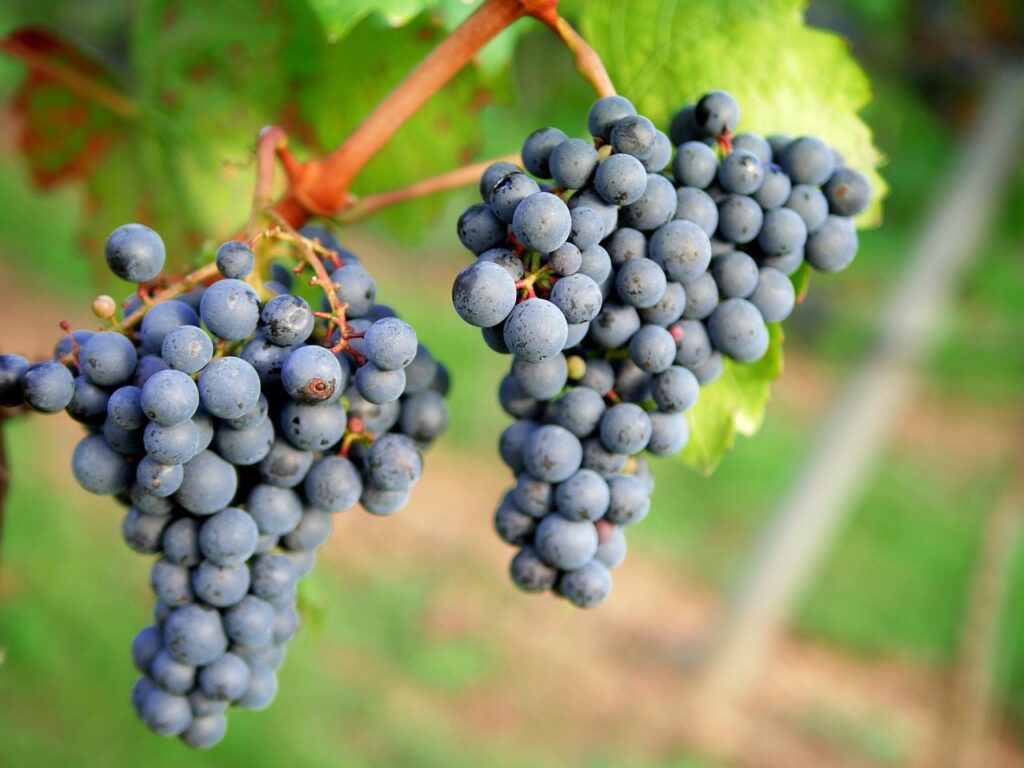

Glera is one of the world’s most recognizable white grapes without most drinkers realizing they already know it. That is because Glera is the grape behind Prosecco, and for many people Prosecco is the name they remember while the grape stays in the background. But if you want to understand why Prosecco tastes the way it does, why the best versions feel more elegant than basic supermarket fizz, and why certain hills in northeastern Italy matter so much, you have to start with Glera.
Glera is not a grape built around power, oak, or depth in the way that many serious still wines are. Its strength lies somewhere else. It gives freshness, floral lift, orchard fruit, moderate alcohol, and the kind of lightness that makes sparkling wine feel joyful rather than heavy. In the best sites, especially the steep hills of Conegliano Valdobbiadene and the Asolo area, that lightness becomes something more refined. Glera can still be easy to drink, but it does not have to be simple.
Key takeaways
- Glera is the main grape behind Prosecco and must form at least 85% of Conegliano Valdobbiadene Prosecco Superiore DOCG.
- The grape is known for freshness, pear and apple fruit, floral notes, and a clean sparkling profile.
- The best expressions come from hilly areas where drainage, exposure, and cooler conditions preserve balance.
- The Martinotti or Charmat method is central to preserving Glera’s natural aromatic style.
- Conegliano Valdobbiadene and Asolo are the key premium zones to know.
Table of contents
- Origins and history
- How Glera tastes
- Terroir and growing conditions
- Winemaking techniques
- Notable appellations
- Food pairing and serving
- Why Glera matters more than people think
Origins and history
Glera has deep roots in northeastern Italy and a long association with the hills between Conegliano and Valdobbiadene. Official Conegliano Valdobbiadene sources note that the first written reference to the grape in the area dates to 1772, when “Prosecco” was cited as the old name of Glera. The modern use of the name Glera became especially important once Prosecco was protected as a geographical wine name rather than left as the name of the grape itself. [oai_citation:1‡Prosecco.it — Conegliano Valdobbiadene](https://www.prosecco.it/wp-content/uploads/2024/05/Libretto-Giallo.pdf?utm_source=chatgpt.com)
That naming shift matters because it changed how people talk about the wine. Prosecco became the protected regional product, while Glera remained the grape. This helped defend the identity of the category and made it clearer that not every sparkling wine made from the grape could just trade on the Prosecco name. In practical terms, it also pushed Glera slightly out of public view, even as Prosecco became globally famous.
Historically, though, the grape’s importance in the region is much older than its modern branding. Conegliano Valdobbiadene sources describe over three centuries of Glera growing in these hills, with a long local tradition of viticulture and sparkling winemaking that later helped turn the area into the most prestigious zone associated with the grape. [oai_citation:2‡Prosecco.it — Conegliano Valdobbiadene](https://www.prosecco.it/en/area-of-origin/?utm_source=chatgpt.com)
How Glera tastes
Glera is prized for aroma more than weight. Official Prosecco sources describe it as a grape that gives wines with pronounced floral and fruity notes, and that fits exactly with how the best examples usually taste. Expect green apple, pear, white peach, citrus, and soft blossom-like aromatics rather than tropical heaviness or strong herbal punch. [oai_citation:3‡Prosecco.it — Conegliano Valdobbiadene](https://www.prosecco.it/wp-content/uploads/2024/05/Libretto-Giallo.pdf?utm_source=chatgpt.com)
The texture is usually light to medium-light, and the acidity is lively without being aggressive. Glera is not a severe grape. It tends to be open, fresh, and accessible, which is one reason Prosecco became so successful globally. But that easy charm can sometimes hide the grape’s better side. In stronger terroirs, Glera can also show more finesse, more tension, and more subtle complexity than casual drinkers expect.
Its style is not built around depth in the Chardonnay sense or sharp aromatic intensity in the Sauvignon Blanc sense. Instead, Glera works through lift, softness, and balance. The fruit tends to feel inviting rather than forceful, and the floral character often gives the wine its most distinctive charm.
Terroir and growing conditions
Glera thrives in the hilly zones of northeastern Italy, and the hills matter more than the marketing sometimes suggests. Official Conegliano Valdobbiadene material emphasizes that the gradient of the hills ensures rainfall drains away rather than stagnating, which is exactly the kind of condition the grape needs to stay healthy and balanced. These slopes are not just scenic. They are central to why the better wines feel more precise and refined. [oai_citation:4‡Prosecco.it — Conegliano Valdobbiadene](https://www.prosecco.it/en/area-of-origin/?utm_source=chatgpt.com)
The area also contains a wide range of soils, which helps explain why the best Glera wines are not all interchangeable. Conegliano Valdobbiadene’s own materials stress the diversity of soils across the denomination, while Cartizze in particular is described as drawing character from a mix of moraines, sandstone, and clay. That diversity gives producers more ways to shape style and helps explain why some wines feel broader, softer, or more mineral than others. [oai_citation:5‡Prosecco.it — Conegliano Valdobbiadene](https://www.prosecco.it/en/conegliano-valdobbiadene-prosecco-superiore-docg/types-of-wine/?utm_source=chatgpt.com)
Climate is part of the equation too. The region benefits from a mild environment with enough freshness to keep the wines lively, while the slopes and exposures help ripening without turning the grape heavy. This is a big reason Glera works so well as a sparkling base grape. It can ripen fully enough to taste generous, but still keep the freshness needed for clean, bright sparkling wine.
If you want the bigger picture behind why site matters so much in wine, our article on the impact of terroir on wine fits naturally here.
Winemaking techniques
The defining production method for most Glera-based sparkling wine is the Martinotti or Charmat method, where the second fermentation happens in pressurized tank rather than in individual bottle. Official Conegliano Valdobbiadene material says this method highlights Glera’s perfume, freshness, and balance between acidity and sugar, which is exactly why it suits the grape so well. Instead of building heavy yeast-driven complexity, it preserves primary fruit and floral character. [oai_citation:6‡Prosecco.it — Conegliano Valdobbiadene](https://www.prosecco.it/wp-content/uploads/2021/01/Prosecco-superiore.pdf?utm_source=chatgpt.com)
This is the crucial difference between Glera and grapes that are often pushed toward more autolytic, bottle-aged sparkling styles. Glera’s charm lies in directness. The point is usually not to bury the grape under long lees complexity, but to let its pear, apple, citrus, and blossom notes stay visible. That is why tank fermentation makes so much sense here. It protects what the grape naturally does best.
That does not mean all Glera wines are identical. Sugar level changes the final impression significantly, from Extra Brut and Brut to Extra Dry and Dry. Official Conegliano Valdobbiadene sources lay out these style categories clearly, and they matter because they shape whether the wine feels brisk, rounded, or softly off-dry. [oai_citation:7‡Prosecco.it — Conegliano Valdobbiadene](https://www.prosecco.it/wp-content/uploads/2021/01/Prosecco-superiore.pdf?utm_source=chatgpt.com)
If you want the broader production background, our guide to sparkling wine production is the best companion read.
Notable appellations
Conegliano Valdobbiadene Prosecco Superiore DOCG
This is the historic heartland and prestige zone for Glera. Official sources describe it as a denomination made up of 15 communes in steep hilly terrain, and the best wines from here usually show more definition and nuance than broader-volume Prosecco DOC bottlings. The category also includes site-specific “Rive” wines from a single commune or part of one, as well as the famous Cartizze subzone. [oai_citation:8‡Prosecco.it — Conegliano Valdobbiadene](https://www.prosecco.it/en/conegliano-valdobbiadene-prosecco-superiore-docg/types-of-wine/?utm_source=chatgpt.com)
The key point is that this is where Glera becomes more than just cheerful sparkling wine. The hills, the smaller sites, and the stronger local identity give the grape more opportunity to show elegance and terroir rather than simple fruit.
Asolo Prosecco DOCG
Asolo is the other major DOCG zone to know. It often gets less attention internationally than Conegliano Valdobbiadene, but it matters because it offers another serious expression of Glera in hillier conditions. Asolo wines can feel a little more restrained or linear depending on producer and style, but they belong firmly in the premium conversation around the grape.
Cartizze and Rive
Within Conegliano Valdobbiadene, Cartizze represents the most famous small subzone, with just 107 hectares according to official denomination material. “Rive” bottlings are also important because they emphasize site expression from specific steep hillside areas and are often hand-harvested. These categories matter because they show that Glera is not just about volume sparkling wine. It can also express hierarchy, place, and finer detail. [oai_citation:9‡Prosecco.it — Conegliano Valdobbiadene](https://www.prosecco.it/en/conegliano-valdobbiadene-prosecco-superiore-docg/types-of-wine/?utm_source=chatgpt.com)
Food pairing and serving
Glera’s freshness and moderate body make it extremely flexible with food. At its simplest, it works beautifully as an aperitif, but that is only the beginning. The best dry styles pair very naturally with salty snacks, fried starters, seafood, light pasta dishes, fresh cheeses, and a wide range of small plates. The grape’s fruit and floral lift help it stay charming, while its acidity keeps it from feeling soft or sticky.
The sweeter the style, the more that matters. Brut and Extra Brut tend to be more food-friendly across a meal, while Extra Dry often works well when you want something rounder and easiergoing. Dry styles, with more residual sugar, can be better suited to lighter desserts or more casual sipping.
Official Conegliano Valdobbiadene guidance recommends serving it at 6 to 8°C and preferably in a larger tulip-shaped glass rather than a narrow flute. That advice is genuinely useful because a better glass lets the floral and fruit notes show more clearly. [oai_citation:10‡Strada del Prosecco e Vini dei Colli](https://www.coneglianovaldobbiadene.it/wp-content/uploads/VisitConeglianoValdobbiadene-2014-02.pdf?utm_source=chatgpt.com)
For the broader logic behind matching wine to food, our guide to food and wine pairing basics fits well here.
Why Glera matters more than people think
Glera matters because it is very easy to underestimate. Its global image is tied to accessibility, celebrations, and easy drinking, and none of that is wrong. But it is incomplete. In the right hands and the right hills, Glera can produce sparkling wines with much more finesse and site character than many people give it credit for.
The official material from Conegliano Valdobbiadene increasingly stresses this too. It presents Glera not merely as a grape for casual bubbly, but as the foundation of wines that can show place, hierarchy, and much more serious table potential. That shift in perception matters because it pulls the grape out of the “simple fizz” category and gives it the respect it deserves. [oai_citation:11‡Prosecco.it — Conegliano Valdobbiadene](https://www.prosecco.it/en/the-rive-and-time/?utm_source=chatgpt.com)
Glera is not trying to be Champagne, and it does not need to be. Its strength is different. It gives brightness, immediacy, charm, and, in its best versions, a real sense of elegance built on hills, freshness, and precise sparkling winemaking.
Read next
- Sparkling Wine Production Techniques Explained
- The World’s Most Important Wine Grape Varieties: Red and White Grapes Explained
- Food and Wine Pairing Explained: The Rules That Actually Help
Last updated: