
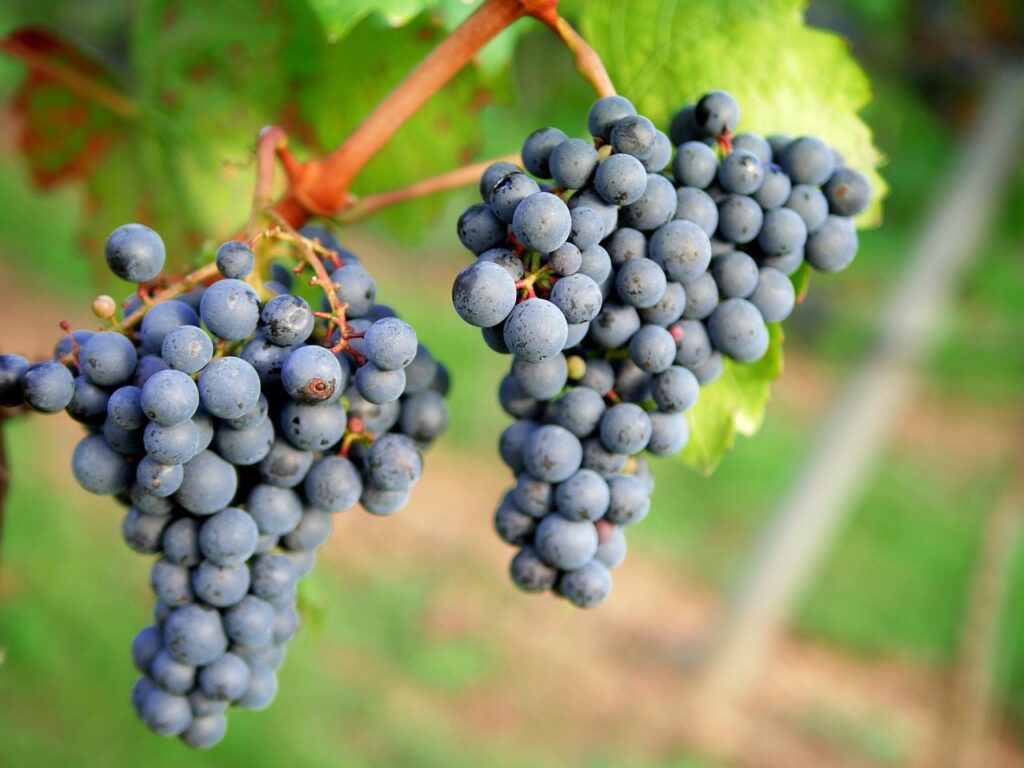
Aglianico is one of Italy’s great red grapes, but it still gets less attention than it deserves outside more wine-focused circles. That is a shame, because it offers something many serious wine drinkers claim to want: structure, depth, age-worthiness, and a strong sense of place. It is not usually soft, easy, or instantly charming in youth. In fact, young Aglianico can feel firm, dark, and almost severe. But given time, it can become one of the most compelling red wine styles in southern Europe.
That is part of what makes Aglianico so interesting. It is not trying to win people over with obvious sweetness or polished softness. It is a grape built around tannin, acidity, and slow development. In the right terroirs, especially the volcanic zones of Campania and Basilicata, it produces wines with dark fruit, savory depth, mineral tension, and real longevity. If Nebbiolo is often described as one of Italy’s noble age-worthy reds, Aglianico belongs in that conversation too.
Key takeaways
- Aglianico is one of southern Italy’s most important red grapes and is especially associated with Campania and Basilicata.
- It typically produces structured wines with high tannin, good acidity, dark fruit, and strong aging potential.
- Volcanic soils play a major role in many of the grape’s best-known expressions.
- Taurasi and Aglianico del Vulture are the two most famous appellations for serious Aglianico.
- Aglianico usually rewards patience, food, and proper serving rather than casual early drinking.
Table of contents
- Origins and history
- How Aglianico tastes
- Terroir and growing conditions
- Winemaking traditions
- The most important Aglianico appellations
- Food pairing and serving Aglianico
- Why Aglianico matters more than its fame suggests
Origins and history
Aglianico is often described as one of Italy’s most ancient red grapes, and its historical story is closely tied to southern Italy’s long connection with the Greek world. The name is widely believed to reflect that past, with many people linking it to a corrupted form of “ellenico” or “hellenic,” though exact etymology is still debated. What matters more in practical terms is that Aglianico has been rooted in southern Italy for centuries and is now deeply identified with regions like Campania and Basilicata.
Over time, the grape found a particularly strong home in volcanic and upland zones where it could ripen slowly and hold onto the acidity that helps define its style. That combination of heat, altitude, and mineral-rich soils is one reason Aglianico became so important. It could achieve richness without collapsing into softness, and it could develop the tannic backbone needed for long aging.
Today, Aglianico is not just a historical curiosity. It is one of the clearest examples of how southern Italy can produce wines of real seriousness and longevity, not merely warm-climate generosity. If you want the wider context of where it sits among other major grapes, our guide to the world’s most important grape varieties is the best place to continue.
How Aglianico tastes
Aglianico usually tastes like a grape that takes itself seriously. The wines often show black cherry, blackberry, plum, and darker berry fruit, but that fruit is rarely the whole story. Alongside it, you often find tobacco, pepper, dried herbs, earth, leather, iron-like minerality, and a distinctly savory edge. In stronger examples, the wine can feel almost architectural in its structure, with tannins and acidity doing as much work as the fruit.
High tannin
This is one of Aglianico’s defining traits. The tannins can be firm, dense, and even slightly unforgiving in youth. That can make the wine seem strict when first opened, especially if it is served too warm or too young. But those tannins are also a big part of why the wines age so well. Over time, they integrate and soften, giving the wine more elegance without losing its shape.
Fresh acidity
Aglianico also tends to hold good acidity, which is crucial. Without it, the grape’s depth and power could easily become heavy. Instead, the acidity gives lift and keeps the wines alive over time. It also makes them much more useful at the table than people sometimes expect from such a structured red.
Savory and mineral character
One reason Aglianico is so compelling is that it rarely feels purely fruity. There is often a volcanic, earthy, smoky, or stony element that adds seriousness and a sense of terroir. This is particularly strong in wines grown on or near volcanic soils, where the mineral edge becomes part of the grape’s identity rather than a minor detail.
Age-worthiness
Good Aglianico is one of Italy’s most age-worthy red wines. With time, the fruit becomes more layered, the tannins smooth out, and the wine can develop notes of dried flowers, leather, tobacco, dried fruit, and forest floor. That evolution is a huge part of the grape’s appeal. If you want the broader context behind that, our article on what makes a fine wine helps explain why grapes like Aglianico matter so much to serious drinkers.
Terroir and growing conditions
Aglianico’s best wines are deeply tied to terroir. The grape thrives in warm southern Italian regions, but it does not simply want heat. It needs the right combination of sunlight, elevation, soil, and ripening time. That is why the finest expressions often come from hillsides and volcanic zones rather than flatter, hotter vineyard land.
Volcanic soils
Volcanic soils are one of the grape’s most important allies. In places like Taurasi and especially Aglianico del Vulture, those soils help shape the mineral, smoky, and iron-like notes that often make the wines feel so distinctive. They also contribute to drainage and vine stress in ways that can help concentration and structure.
Mediterranean warmth with elevation
Southern Italy provides the warmth Aglianico needs to ripen, but the better sites are often lifted by altitude and cooler nights. That helps slow the ripening curve and preserve freshness. Without that balance, the wines could become too broad or lose the tension that makes the grape special.
Slow ripening
Aglianico is a late-ripening grape, and that matters enormously. It often stays on the vine longer than many other varieties, which gives it time to build complexity and tannic depth. The payoff can be huge, but so is the risk. It is not a grape for careless site selection or rushed harvest decisions.
This is also why Aglianico is such a good example of terroir in practice. The grape can be powerful almost anywhere warm enough, but the truly great versions come from sites where ripeness, structure, and freshness all come together. Our guide to terroir and wine goes deeper into that relationship.
Winemaking traditions
Aglianico’s structure means the winemaking choices around it matter a lot. Producers usually need to manage extraction carefully because the grape already brings plenty of tannin and concentration. The aim is not simply to make the wine bigger. It is to give that power shape and balance.
Extended maceration
Many Aglianico wines see extended skin contact to pull out color, tannin, and deeper flavor. That can suit the grape well, but it also means the winemaker needs restraint and timing. Too much extraction without enough fruit balance can make the wine severe for too long.
Oak aging
Oak is often part of the story, especially in Taurasi and other serious bottlings meant for aging. Barrel aging can help integrate the tannins and add spice, cedar, tobacco, toast, or broader textural depth. But Aglianico is not a grape that needs flashy oak to be interesting. In fact, too much oak can easily cover the grape’s natural seriousness and volcanic character.
If you want the broader background there, our guide to oak in winemaking explains how barrel choice changes the final wine.
Single-varietal focus
Although Aglianico can appear in blends, the most important wines are usually built around the grape itself. That makes sense because the variety already has enough personality, structure, and age-worthiness to stand on its own. Blending can soften edges, but the purest expressions are usually the most revealing.
The most important Aglianico appellations
Taurasi DOCG
Taurasi is often called the “Barolo of the South,” and while that comparison can be a little overused, it does point to something real. Taurasi is one of Italy’s most serious and age-worthy red wine appellations, and Aglianico is the driving force behind it. The wines are typically structured, dark-fruited, savory, and built for time rather than instant charm.
Taurasi’s best bottles can be deeply impressive because they combine power with freshness and a genuine sense of place. They are not always easy in youth, but that is part of the point. These are wines that reward patience.
Aglianico del Vulture DOCG
If Taurasi is the best-known Campanian expression, Aglianico del Vulture is one of the most distinctive from Basilicata. Grown on the slopes of the extinct Monte Vulture volcano, these wines often show especially pronounced mineral, smoky, and earthy qualities. They can feel slightly darker, firmer, or more volcanic in expression, though style varies by producer.
This is one of the strongest examples of how much site matters with Aglianico. The grape’s structure is still there, but the volcanic edge becomes part of the wine’s signature.
Irpinia and broader regional bottlings
Irpinia also matters, both because it overlaps geographically with some of Campania’s most important vineyard areas and because it can offer slightly more accessible Aglianico bottlings outside the stricter prestige framing of Taurasi. These wines may show the grape in a fresher or more approachable register while still carrying its basic identity.
If you want a regional map context for the grape’s southern Italian home, the Campania wine map is useful.
Food pairing and serving Aglianico
Aglianico is not a red wine that wants delicate food. It needs dishes with enough depth, fat, and savory character to meet its structure properly. Grilled lamb, braised beef, slow-cooked pork, game, hard cheeses, and tomato-based southern Italian dishes all make sense. The tannin needs protein and richness. The acidity helps with tomato sauces and long-cooked meat. The savory side of the wine also makes it excellent with earthy ingredients like mushrooms, roasted root vegetables, and herb-heavy dishes.
Because the wine can be tight and tannic in youth, decanting often helps. Serving temperature matters too. If Aglianico is too warm, the alcohol and tannins can seem heavier than they should. If it is too cold, it can feel hard and closed. Our guide to wine serving temperatures is worth checking for that reason.
For broader pairing logic, our article on food and wine pairing basics fits naturally here too.
Why Aglianico matters more than its fame suggests
Aglianico matters because it proves southern Italy is capable of producing red wines with the structure, complexity, and aging potential usually associated with more famous northern regions. It is not a fashionable easy-drinking grape, and that may be part of why it still feels underrated. It asks for more from the drinker. More patience, more attention, and usually more food.
But that is also why it is so rewarding. In a wine world full of polished softness and predictable fruit, Aglianico still feels like a grape with backbone. It offers something more austere, more mineral, and more age-worthy than many people expect from southern Italy. And when it is grown and made well, it can be extraordinary.
Why Aglianico deserves more attention
Aglianico is one of Italy’s great red grapes because it combines depth, tannin, acidity, volcanic character, and long aging potential in a way very few grapes do. It is not always easy, and it is not meant to be. But that seriousness is exactly what makes it so compelling. The best bottles do not just taste powerful. They taste built.
If you care about structured reds, southern Italian terroir, or wines that become more interesting with time rather than less, Aglianico deserves a much bigger place in the conversation than it usually gets.
Read next
- The World’s Most Important Wine Grape Varieties: Red and White Grapes Explained
- The Impact of Terroir on Wine
- Food and Wine Pairing Explained: The Rules That Actually Help
Last updated:
