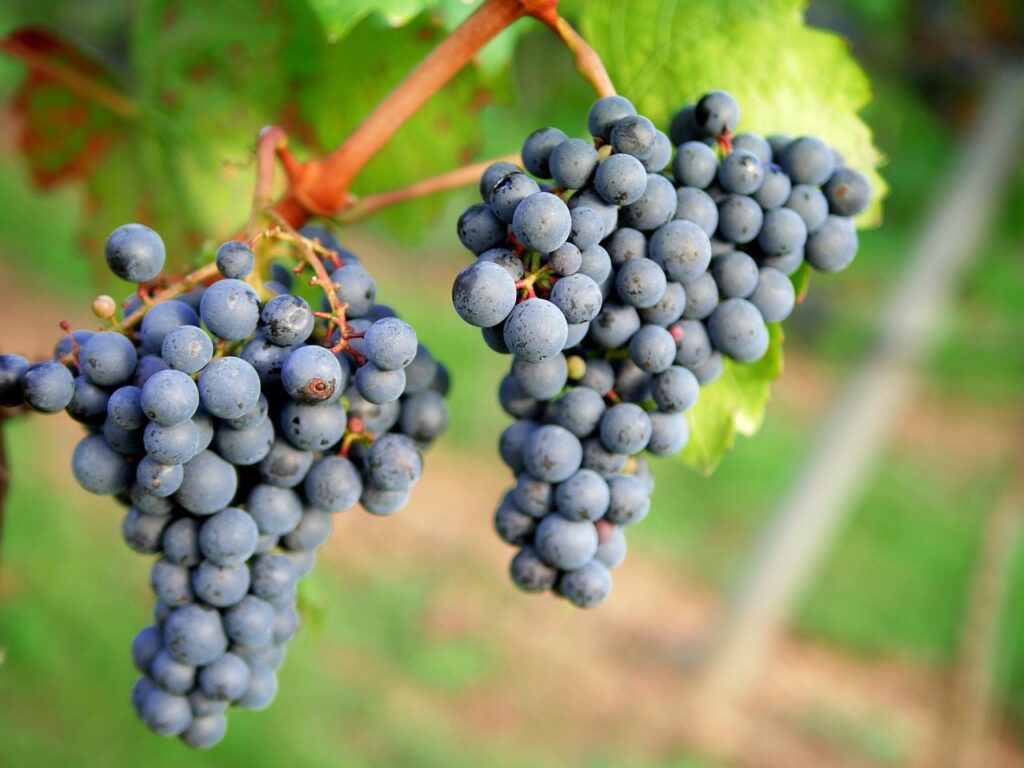

Muscat is one of the oldest and most recognizable grape families in wine, and it remains one of the easiest to identify in the glass. That is because Muscat rarely hides what it is. It usually smells expressive, floral, fruity, and unmistakably grapey in a way very few other varieties do. Depending on the style, it can feel light and fresh, softly sparkling, richly sweet, or deeply fortified, but the aromatic signature tends to stay clear throughout.
That is also why Muscat is more interesting than many people first assume. Because it appears in sweet, low-alcohol, and easy-drinking formats, some drinkers dismiss it too quickly. But that misses the point. Muscat is not one wine. It is a broad and historic grape family that can produce everything from delicately sparkling Moscato d’Asti to fortified Rutherglen Muscat and the honeyed richness of Muscat de Beaumes-de-Venise. Once you stop treating it as one simple style, it becomes much easier to see why this grape family has survived for so long and still matters today.
Key takeaways
- Muscat is a grape family rather than a single simple wine style.
- Moscato Bianco, also known as Muscat Blanc à Petits Grains, is the key grape behind Asti DOCG and Moscato d’Asti DOCG.
- Muscat wines are known for floral, fruity, grapey aromatics and can range from dry to sweet to fortified.
- Important Muscat styles include Moscato d’Asti, Muscat de Beaumes-de-Venise, Rutherglen Muscat, and Samos Muscat.
- Muscat can work with seafood, spicy food, fruit desserts, blue cheese, and aperitif drinking depending on the style.
Table of contents
- Origins and history
- What Muscat actually is
- How Muscat tastes
- Terroir and growing conditions
- Winemaking techniques
- Notable Muscat appellations and styles
- Pairing Muscat wines with food
- Why Muscat still matters
Origins and history
Muscat is often described as one of the oldest grape families in the world, and that reputation makes sense. It has been associated with Mediterranean wine culture for centuries, and versions of Muscat have long been linked to ancient Greece, Rome, and the broader eastern Mediterranean world. Whether every old origin story can be pinned down perfectly is less important than the broader truth: Muscat has deep historical roots and has been valued for its aromatic intensity for a very long time.
Part of that endurance comes from the fact that Muscat never depended on one single place or one single style. It spread widely and adapted. Over time, it became embedded in different wine cultures for different reasons. In some regions it was prized for sweet fortified wines. In others it became known for light sparkling wines, aromatic still whites, or low-alcohol styles that made it accessible and festive. That adaptability is one of the big reasons Muscat survived while many other old grape names faded into the background.
The grape family’s modern identity is also split across languages and local traditions. “Muscat” is the broader French-rooted name most English-speaking drinkers recognize, while “Moscato” is the Italian name that became globally familiar through Moscato d’Asti and related wines. They are not separate grapes in the simple sense people sometimes assume. They are part of the same wider family, just seen through different regional traditions.
What Muscat actually is
One of the most useful things to understand is that Muscat is not just one grape. It is a family of related varieties with many members. Some of them are very important for fine wine. Others are more regionally significant. That means when people say “Muscat,” they are often collapsing several distinct grapes and styles into one easy label.
The most important variety for many classic wines is Muscat Blanc à Petits Grains, also known in Italy as Moscato Bianco. This is the grape used for Asti DOCG and Moscato d’Asti DOCG, where official Asti sources describe Moscato Bianco as the key grape behind both wines. It is one of the most refined and aromatic members of the family. [oai_citation:1‡Consorzio dell’Asti DOCG](https://astidocg.it/en/?utm_source=chatgpt.com)
Another important member is Muscat à Petits Grains Rouge, which is central to fortified Rutherglen Muscat in Australia and is also commonly called Brown Muscat there. Official regional sources in Rutherglen emphasize that this is the grape behind the category’s distinctive sweet fortified wines. [oai_citation:2‡Rutherglen](https://www.explorerutherglen.com.au/rutherglenmuscat/?utm_source=chatgpt.com)
This family-level view matters because it explains why Muscat can seem so stylistically broad. A light, softly sparkling Moscato d’Asti and a barrel-aged Rutherglen Muscat are both Muscat-based wines, but they are trying to do completely different things. The shared aromatic DNA is there, but the final expression depends heavily on which member of the family is involved, where it is grown, and how it is made.
How Muscat tastes
Muscat’s defining strength is aroma. It is one of the clearest examples of a grape family that smells very much like the fruit it comes from, often in an unusually direct way. Expect orange blossom, rose, jasmine, honeysuckle, peach, apricot, citrus, grape, and sometimes lychee or tropical notes depending on the style. The wines can be floral and fruity at the same time, and that is a big part of why they are so easy to recognize.
Floral lift
Muscat often has a distinctly floral profile that can range from delicate to very pronounced. Orange blossom is one of the most classic notes, but rose, jasmine, and honeysuckle also appear regularly. These scents are part of what gives Muscat wines their instantly expressive quality.
Stone fruit and citrus
Peach, apricot, mandarin, orange zest, and fresh citrus are all common. In lighter sparkling styles, the fruit may feel fresh and lifted. In sweeter or fortified styles, it can turn more honeyed, candied, or dried.
Sweetness range
Muscat can be dry, off-dry, sweet, sparkling, or fortified. That range is crucial. Some people assume Muscat automatically means sugary dessert wine, but that is too narrow. It often does lean sweet, especially in famous commercial styles, yet the family is much broader than that.
Moderate acidity and lower alcohol in some styles
Many Muscat wines, especially Moscato d’Asti, combine sweetness or lightness with relatively low alcohol and enough acidity to keep the wine refreshing rather than cloying. That balance is one reason these wines remain so popular for aperitif drinking and casual occasions.
If you want the broader grape-family context too, our guide to the world’s most important grape varieties is a good next read.
Terroir and growing conditions
Muscat is adaptable, but it tends to do especially well in climates that give it enough warmth to develop aromatic intensity without stripping away all freshness. This is one reason so many famous Muscat regions sit in Mediterranean or warm inland climates with good sunlight and reasonably dry growing conditions.
Mediterranean roots
Many classic Muscat regions sit around the Mediterranean basin, where warmth helps the grape build perfume and sugar. This is true in places like southern France and Greece, where fortified and sweet Muscat styles became part of local tradition.
Hills and freshness
In Piedmont, where Moscato d’Asti is produced, the hillier setting helps preserve freshness and balance. That matters because a grape as aromatic as Muscat can quickly feel too soft if climate and acidity are not in the right balance.
Warm regions for fortified styles
In places like Rutherglen, the warm climate helps create the richness needed for fortified Muscat. The style depends on concentration and sweetness, so the environment and the winemaking approach work together to create something much deeper and more oxidative than lightly sparkling Moscato.
This is a good example of terroir shaping grape identity rather than overriding it. Muscat still smells like Muscat, but place changes how that aroma expresses itself. Our article on the impact of terroir on wine explains that bigger idea in more detail.
Winemaking techniques
Muscat is one of those grapes where winemaking choices are unusually visible. Because the grape is already so aromatic, producers often focus more on preserving or shaping those aromas than on adding too much external influence.
Cool fermentation for aromatics
In fresher still and lightly sparkling styles, cool fermentation helps preserve the floral and fruit-driven profile. That is important because Muscat’s appeal depends heavily on freshness and perfume.
Stopping fermentation to keep sweetness
Many Muscat wines retain sweetness by halting fermentation before all the grape sugar turns into alcohol. This is especially important in Moscato d’Asti and other lightly sweet styles where balance between sugar, aroma, and freshness is central to the wine’s charm.
Fortification
In fortified Muscat wines, grape spirit is added to stop fermentation and preserve sweetness while increasing alcohol. This creates richer, more concentrated wines like Muscat de Beaumes-de-Venise and Rutherglen Muscat. In the Rhône, Muscat de Beaumes-de-Venise is classically made as a vin doux naturel from Muscat à Petits Grains, while in Rutherglen the wines are built through fortified aging traditions that create extraordinary depth over time. [oai_citation:3‡The Guardian](https://www.theguardian.com/food/article/2024/jun/16/why-muscat-is-a-must-when-it-comes-to-summer?utm_source=chatgpt.com)
Sparkling production
For Moscato d’Asti and Asti, the aim is very different. Here the point is not oxidative richness but freshness, light sparkle or full sparkle, and a bright aromatic style that stays youthful and expressive. Official Asti DOCG sources highlight Moscato Bianco as the base for both Asti Spumante DOCG and Moscato d’Asti DOCG. [oai_citation:4‡Consorzio dell’Asti DOCG](https://astidocg.it/en/?utm_source=chatgpt.com)
Notable Muscat appellations and styles
Moscato d’Asti
This is probably the most globally familiar Muscat style for modern casual drinkers. It comes from Piedmont and is typically lightly sparkling, gently sweet, low in alcohol, and highly aromatic. Official Asti DOCG sources confirm that Moscato Bianco is the grape behind the category. Good Moscato d’Asti feels lifted, peachy, floral, and refreshing rather than sticky. [oai_citation:5‡Consorzio dell’Asti DOCG](https://astidocg.it/en/?utm_source=chatgpt.com)
Asti DOCG
Asti is the fuller sparkling counterpart within the same DOCG world. It shares the same grape base but tends to be more fully sparkling. It is often sweeter and more overtly festive in style, though quality can vary widely depending on producer.
Muscat de Beaumes-de-Venise
From the southern Rhône, this is a classic sweet fortified Muscat, traditionally based on Muscat à Petits Grains. It tends to show orange blossom, stone fruit, citrus zest, and honeyed richness while still keeping freshness if made well. [oai_citation:6‡The Guardian](https://www.theguardian.com/food/article/2024/jun/16/why-muscat-is-a-must-when-it-comes-to-summer?utm_source=chatgpt.com)
Rutherglen Muscat
This is one of the deepest and most distinctive fortified Muscat styles in the world. Regional sources describe it as being made from Muscat à Petits Grains Rouge, or Brown Muscat, and aged in a way that creates intense notes of raisin, toffee, dried fig, spice, and extraordinary sweetness. It is a very different wine from Moscato d’Asti, but equally central to understanding the family’s range. [oai_citation:7‡Rutherglen](https://www.explorerutherglen.com.au/rutherglenmuscat/?utm_source=chatgpt.com)
Samos Muscat
Samos remains one of the notable Mediterranean homes of Muscat, especially for sweet and fortified expressions. It fits naturally into the ancient-history side of Muscat’s identity and shows how long the grape has mattered in the eastern Mediterranean.
Pairing Muscat wines with food
Muscat is much more flexible with food than many people assume, but the right pairing depends heavily on the style.
Light sparkling Muscat
Moscato d’Asti works well with fruit desserts, pastries, brunch dishes, lighter cakes, and some fresh cheeses. It can also be excellent on its own because the low alcohol and floral sweetness make it very easy to drink.
Sweet fortified Muscat
Muscat de Beaumes-de-Venise and Rutherglen Muscat are more natural with blue cheese, fruit tarts, crème brûlée, spiced desserts, dried-fruit dishes, and stronger dessert pairings. Their richer texture and sweetness need equally confident food.
Spicy food
Off-dry Muscat can work very well with spicy dishes because a touch of sweetness helps calm heat while the aroma keeps the pairing lively. This can be useful with some Thai, Indian, or North African dishes where pure dry wines can feel too sharp or severe.
For the broader rules behind that, our guide to food and wine pairing basics is the best follow-up.
Why Muscat still matters
Muscat still matters because very few grape families manage to be both ancient and broadly relevant in so many different styles. It can be simple and joyful, but it can also be serious, age-worthy, and regionally distinctive. That range is easy to underestimate because many drinkers meet Muscat first through easy, inexpensive, lightly sweet wines. But once you move beyond that first impression, the family becomes much more impressive.
It also matters because it reminds people that aroma is not a trivial thing in wine. Some of the world’s most memorable wines are memorable precisely because they smell unmistakably like themselves. Muscat has that gift. It rarely needs explaining once it is in the glass. The challenge is not recognizing it. The challenge is appreciating how many different directions that signature can take.
Read next
- The World’s Most Important Wine Grape Varieties: Red and White Grapes Explained
- Food and Wine Pairing Explained: The Rules That Actually Help
- The Impact of Terroir on Wine
Last updated: