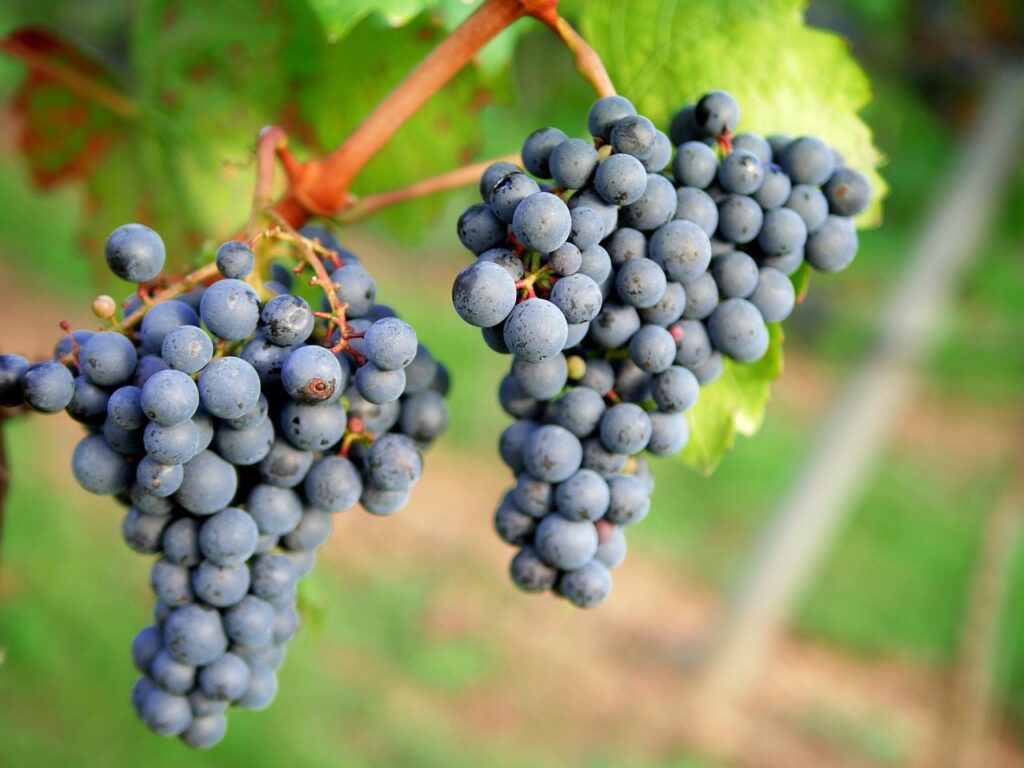

Sémillon is one of the most important white grapes in Bordeaux, even if it rarely gets the same level of attention as Sauvignon Blanc. That is strange, because Sémillon is central to some of the region’s greatest wines. It is the leading grape in Sauternes, where it helps create some of the world’s most celebrated sweet wines, and it also plays a major role in dry Bordeaux whites, where it brings body, texture, and depth. [oai_citation:0‡Vins de Bordeaux](https://www.bordeaux.com/en/grape-varieties/semillon/?utm_source=chatgpt.com)
What makes Sémillon so compelling is its range. In one setting, it can be honeyed, rich, and botrytised. In another, it can be waxy, structured, and dry, with a rounder feel than Sauvignon Blanc. It is not a loud grape, but it is a serious one. At its best, Sémillon gives wine shape, persistence, and real aging potential. That is exactly why it remains so important in Bordeaux and why it deserves much more attention from wine drinkers who usually focus on more obvious white grape names. [oai_citation:1‡Vins de Bordeaux](https://www.bordeaux.com/en/grape-varieties/semillon/?utm_source=chatgpt.com)
Key takeaways
- Sémillon is a key Bordeaux white grape and the dominant grape in many Sauternes wines. [oai_citation:2‡Vins de Bordeaux](https://www.bordeaux.com/en/grape-varieties/semillon/?utm_source=chatgpt.com)
- It can produce both rich sweet wines and round, textured dry whites. [oai_citation:3‡Vins de Bordeaux](https://www.bordeaux.com/en/grape-varieties/semillon/?utm_source=chatgpt.com)
- Sémillon usually brings body, honeyed fruit, waxy texture, and lower natural acidity compared with Sauvignon Blanc. [oai_citation:4‡Vins de Bordeaux](https://www.bordeaux.com/en/grape-varieties/semillon/?utm_source=chatgpt.com)
- Its thin skins make it especially suited to noble rot in the Sauternes area. [oai_citation:5‡Vins de Bordeaux](https://www.bordeaux.com/us/Bordeaux-Magazine-US/Journal/Education/The-Secrets-of-Sauternes?utm_source=chatgpt.com)
- Great Sémillon-based wines can age for a long time and become far more complex over the years. [oai_citation:6‡Vins de Bordeaux](https://www.bordeaux.com/en/grape-varieties/semillon/?utm_source=chatgpt.com)
Table of contents
- Origins and history
- How Sémillon tastes
- Sweet vs dry Sémillon
- Terroir and growing conditions
- Winemaking techniques
- Notable regions and appellations
- Food pairing and serving Sémillon
- Why Sémillon matters
Origins and history
Sémillon is deeply tied to Bordeaux and has long been one of the region’s defining white grapes. Today, it remains one of the pillars of Bordeaux white wine, alongside Sauvignon Blanc and Muscadelle. In sweet wines, it is especially important, and Bordeaux’s official material describes it as the local star grape of Sauternes and the king of the vineyards in Barsac. That is not small language. It reflects how central Sémillon is to the identity of the region’s most prestigious sweet whites. [oai_citation:7‡Vins de Bordeaux](https://www.bordeaux.com/en/designations/graves-sauternes/sauternes/?utm_source=chatgpt.com)
Its importance is not limited to sweet wine, though. In dry white Bordeaux, Sémillon brings amplitude, softness, and depth, while Sauvignon Blanc contributes tension and freshness. That balance is one of the defining features of white Bordeaux blends. Sémillon is therefore not just a historical grape kept alive by tradition. It is still a structural grape that shapes the texture and overall style of modern Bordeaux white wine. [oai_citation:8‡Vins de Bordeaux](https://www.bordeaux.com/en/grape-varieties/semillon/?utm_source=chatgpt.com)
The grape’s long-term value comes from this versatility. Some grapes are locked into one style. Sémillon is not. It can handle the lush sweetness of botrytised wine, but it can also support serious dry whites with weight and aging ability. That broad usefulness is one reason it has remained important for so long, even if it does not always get top billing on labels or in casual wine conversations. The people making serious Bordeaux whites have never forgotten what Sémillon can do. [oai_citation:9‡Vins de Bordeaux](https://www.bordeaux.com/en/grape-varieties/semillon/?utm_source=chatgpt.com)
How Sémillon tastes
Sémillon often brings a rounded, generous feel to wine. Bordeaux’s official grape description highlights ripe fruit, pear, quince, mango, apricot, honeyed notes, and acacia blossom, together with volume, roundness, depth, and a very persistent finish. That description fits the grape well. Even in drier styles, Sémillon often feels broader and softer than Sauvignon Blanc, with a slightly waxy or creamy texture that gives the wine more presence on the palate. [oai_citation:10‡Vins de Bordeaux](https://www.bordeaux.com/en/grape-varieties/semillon/?utm_source=chatgpt.com)
Fruit profile
Young Sémillon can show pear, quince, citrus, apricot, and sometimes a more tropical edge. In richer wines, especially sweet examples, those fruit notes often move toward candied citrus, dried apricot, marmalade, mango, and baked fruit. What is noticeable is that Sémillon fruit often feels ripe and full rather than sharp or aggressively zesty. [oai_citation:11‡Vins de Bordeaux](https://www.bordeaux.com/en/grape-varieties/semillon/?utm_source=chatgpt.com)
Honeyed and waxy character
This is one of the grape’s signatures. Sémillon often develops honeyed notes, even in wines that are not dessert wines, and over time many examples take on a waxy, beeswax-like texture and aroma. In sweet Bordeaux, that character becomes one of the reasons the wines feel so layered and luxurious. The grape’s low natural acidity compared with Sauvignon Blanc also helps explain why it feels softer and more ample. [oai_citation:12‡Vins de Bordeaux](https://www.bordeaux.com/en/grape-varieties/semillon/?utm_source=chatgpt.com)
Texture and structure
Texture is a big part of the appeal here. Sémillon is not just about aroma. It gives wine shape. In dry blends, it adds volume and depth. In sweet wines, it brings richness without making the wine feel shapeless, especially when Sauvignon Blanc is there to add lift. That structural role is exactly why it remains so valuable in Bordeaux. [oai_citation:13‡Vins de Bordeaux](https://www.bordeaux.com/en/grape-varieties/semillon/?utm_source=chatgpt.com)
Aging character
Sémillon can age beautifully. As it develops, the fruit can shift toward marmalade, honey, nuts, and more complex savory tones. In sweet wines from Sauternes and Barsac, this aging potential is one of the grape’s greatest strengths. These are wines built not just for immediate richness, but for long development in bottle. [oai_citation:14‡Vins de Bordeaux](https://www.bordeaux.com/en/designations/graves-sauternes/sauternes/?utm_source=chatgpt.com)
Sweet vs dry Sémillon
Sémillon is one of the clearest examples of a grape that can play very different roles depending on how and where it is used. In sweet Bordeaux, especially Sauternes and Barsac, it becomes the main engine of richness, finesse, and aging potential. Bordeaux’s own appellation material describes Sémillon as guaranteeing delicate, well-balanced, and complex wines in Sauternes, with Sauvignon Blanc and related varieties adding freshness and aromatic support. [oai_citation:15‡Vins de Bordeaux](https://www.bordeaux.com/en/designations/graves-sauternes/sauternes/?utm_source=chatgpt.com)
In dry whites, the role shifts slightly. Sémillon still brings body and a softer texture, but now it is often part of a balance with Sauvignon Blanc, which adds the tension and brightness that keep the wine fresh. In Graves and broader Bordeaux white blends, the two grapes work as a pair: Sémillon gives the flesh, Sauvignon Blanc gives the cut. That dynamic is one of the reasons dry Bordeaux whites can feel both rich and precise. [oai_citation:16‡Vins de Bordeaux](https://www.bordeaux.com/en/grape-varieties/semillon/?utm_source=chatgpt.com)
That dual role matters because it shows how adaptable Sémillon really is. It is not just a dessert grape. It is not just a blending grape. It is a grape that can provide structure and identity in multiple white wine styles, which is much rarer than many people realize. [oai_citation:17‡Vins de Bordeaux](https://www.bordeaux.com/en/grape-varieties/semillon/?utm_source=chatgpt.com)
Terroir and growing conditions
Sémillon’s greatness is closely tied to Bordeaux’s climate and especially to the specific conditions of the Graves and Sauternais areas. The grape can deliver richness and complexity elsewhere too, but Bordeaux remains its clearest reference point because the local conditions suit both its sweet and dry potential so well. [oai_citation:18‡Vins de Bordeaux](https://www.bordeaux.com/en/designations/graves-sauternes/sauternes/?utm_source=chatgpt.com)
Thin skins and noble rot
One of the most important things about Sémillon is that it has thin skins. That trait makes it particularly suited to infection by Botrytis cinerea, the fungus known as noble rot. Bordeaux’s own educational material notes that very ripe, thin-skinned grapes like Sémillon are ideal for noble rot because the fungus penetrates more easily and concentrates sugar and flavor. This is one of the core reasons the grape became so central to Sauternes. [oai_citation:19‡Vins de Bordeaux](https://www.bordeaux.com/us/Bordeaux-Magazine-US/Journal/Education/The-Secrets-of-Sauternes?utm_source=chatgpt.com)
Graves and Sauternes conditions
In Bordeaux, Sémillon is strongly associated with the Graves and Sauternes areas. These zones offer the combination of grape suitability, blending tradition, and in the case of sweet wines the right autumn conditions for noble rot development. In the dry whites of Graves, Sémillon contributes roundness and fullness. In Sauternes and Barsac, it provides much of the core identity. [oai_citation:20‡Vins de Bordeaux](https://www.bordeaux.com/en/designations/graves-sauternes/sauternes/?utm_source=chatgpt.com)
Balance through blending
Sémillon’s naturally lower acidity is a strength and a challenge. On its own it can become broad and soft, but in Bordeaux that is usually handled through blending. Sauvignon Blanc adds energy and aromatic lift, while Muscadelle can add floral notes. This means the terroir story is not just about site. It is also about regional blending culture. Bordeaux shaped Sémillon by learning how best to use it. [oai_citation:21‡Vins de Bordeaux](https://www.bordeaux.com/en/grape-varieties/semillon/?utm_source=chatgpt.com)
If you want the broader framework behind why a grape changes so much depending on place, our article on the impact of terroir on wine is the right follow-up.
Winemaking techniques
Sémillon responds to winemaking choices in very visible ways because texture is such a big part of the grape’s identity. The producer can decide whether to emphasize freshness, richness, sweetness, or age-worthiness, but the grape’s core role usually remains the same: it builds the body of the wine.
Botrytised sweet wine production
For the great sweet wines of Sauternes and Barsac, the defining winemaking challenge is not just fermentation but selective harvesting. Noble rot does not affect every berry evenly, so the best fruit is often picked in multiple passes through the vineyard. The goal is to bring in berries that have reached the right concentration of sugar, acidity, and botrytised character. This is one reason these wines are so labor-intensive and why great examples are never simple wines to make. [oai_citation:22‡Vins de Bordeaux](https://www.bordeaux.com/us/Bordeaux-Magazine-US/Journal/Education/The-Secrets-of-Sauternes?utm_source=chatgpt.com)
Dry white blending
In dry white Bordeaux, Sémillon is often fermented and then blended with Sauvignon Blanc, and sometimes small amounts of Muscadelle or other minor permitted varieties. The key is balance. Too much emphasis on Sémillon alone can make the wine broad. Too much Sauvignon Blanc can make it feel overly sharp or one-dimensional. Good producers use Sémillon to anchor the wine and give it shape. [oai_citation:23‡Vins de Bordeaux](https://www.bordeaux.com/en/choosing-a-wine/white/?utm_source=chatgpt.com)
Oak and texture
Many serious dry Bordeaux whites use oak carefully, especially for texture rather than overt flavor. Sémillon handles this well because it already has body and can absorb barrel influence more easily than very lean grapes. Oak can add creaminess, spice, and depth, but the best examples still let the grape’s honeyed, waxy, rounded character show through rather than burying it. For the broader cellar context, our article on oak in winemaking pairs well here.
Notable regions and appellations
Sauternes
Sauternes is the most famous reference point for Sémillon. Bordeaux’s official material calls Sémillon the local star grape here, and that is exactly right. It is the key grape behind some of the world’s most famous sweet wines, helping create wines that are delicate, complex, and long-lived. [oai_citation:24‡Vins de Bordeaux](https://www.bordeaux.com/en/designations/graves-sauternes/sauternes/?utm_source=chatgpt.com)
Barsac
Barsac, which can also label wines as Sauternes, gives Sémillon another great stage. Bordeaux’s appellation material describes Sémillon here as the king of the local vineyards, bringing finesse, complexity, and balance. That tells you how highly the grape is regarded in this sweet-wine context. [oai_citation:25‡Vins de Bordeaux](https://www.bordeaux.com/en/designations/graves-sauternes/barsac/?utm_source=chatgpt.com)
Graves and dry white Bordeaux
Sémillon is also crucial in dry white Graves and related Bordeaux appellations, where it is usually paired with Sauvignon Blanc. In these wines, Sémillon gives body and depth while Sauvignon Blanc adds energy. This is one of the classic white wine partnerships in the world. [oai_citation:26‡Vins de Bordeaux](https://www.bordeaux.com/en/designations/graves-sauternes/graves/?utm_source=chatgpt.com)
Broader Bordeaux
Across Bordeaux more generally, Sémillon remains one of the three main white grapes. The official Bordeaux material gives it roughly comparable prominence to Sauvignon Blanc in overall white wine plantings, which underlines how important it still is to the region rather than being just a historical leftover. [oai_citation:27‡Vins de Bordeaux](https://www.bordeaux.com/en/choosing-a-wine/white/?utm_source=chatgpt.com)
Food pairing and serving Sémillon
The style of Sémillon makes a big difference to pairing. Sweet Sémillon-based wines from Sauternes and Barsac work beautifully with foie gras, blue cheese, fruit desserts, and dishes where richness needs balancing by sweetness and acidity. That is the classic side of the grape and one reason it has become so famous in fine dining. [oai_citation:28‡Vins de Bordeaux](https://www.bordeaux.com/en/designations/graves-sauternes/sauternes/?utm_source=chatgpt.com)
Dry Sémillon-based wines are broader and more textured than many crisp whites, so they work well with roast chicken, creamy sauces, lobster, richer fish dishes, and soft cheeses. The rounded feel of the wine makes it more flexible with richer food than very sharp, lean whites. If you want the broader logic behind that, our article on food and wine pairing basics is the best next read.
Serving temperature matters too. Sweet Sémillon-based wines should be cool but not ice-cold, otherwise some of the aromatic complexity gets muted. Dry versions also benefit from being served chilled rather than extremely cold, especially if they have any oak or lees richness. Our guide to wine serving temperatures gives the broader framework.
Why Sémillon matters
Sémillon matters because it does something many grapes cannot do. It creates two very different kinds of great wine at a high level: world-class sweet wine and serious dry white wine. Very few white grapes can claim that range and still remain central to a top classic region. [oai_citation:29‡Vins de Bordeaux](https://www.bordeaux.com/en/grape-varieties/semillon/?utm_source=chatgpt.com)
It also matters because it brings texture in a way that many more famous white grapes do not. Sauvignon Blanc may get more immediate attention because it is vivid and easy to recognize, but Sémillon is often what gives a wine its breadth, depth, and long finish. In Bordeaux, the two grapes work because they need each other. Sémillon gives shape. Sauvignon Blanc gives lift. [oai_citation:30‡Vins de Bordeaux](https://www.bordeaux.com/en/grape-varieties/semillon/?utm_source=chatgpt.com)
Most of all, Sémillon matters because great bottles prove how quietly profound it can be. It may not have the flashiest reputation, but the best examples, especially from Sauternes, Barsac, and serious dry Bordeaux white estates, show just how noble the grape really is. It is not a secondary Bordeaux white. It is one of the grapes that defines what Bordeaux white wine can be. [oai_citation:31‡Vins de Bordeaux](https://www.bordeaux.com/en/designations/graves-sauternes/sauternes/?utm_source=chatgpt.com)
Read next
- The World’s Most Important Wine Grape Varieties: Red and White Grapes Explained
- The Impact of Terroir on Wine
- Food and Wine Pairing Explained: The Rules That Actually Help
Last updated: