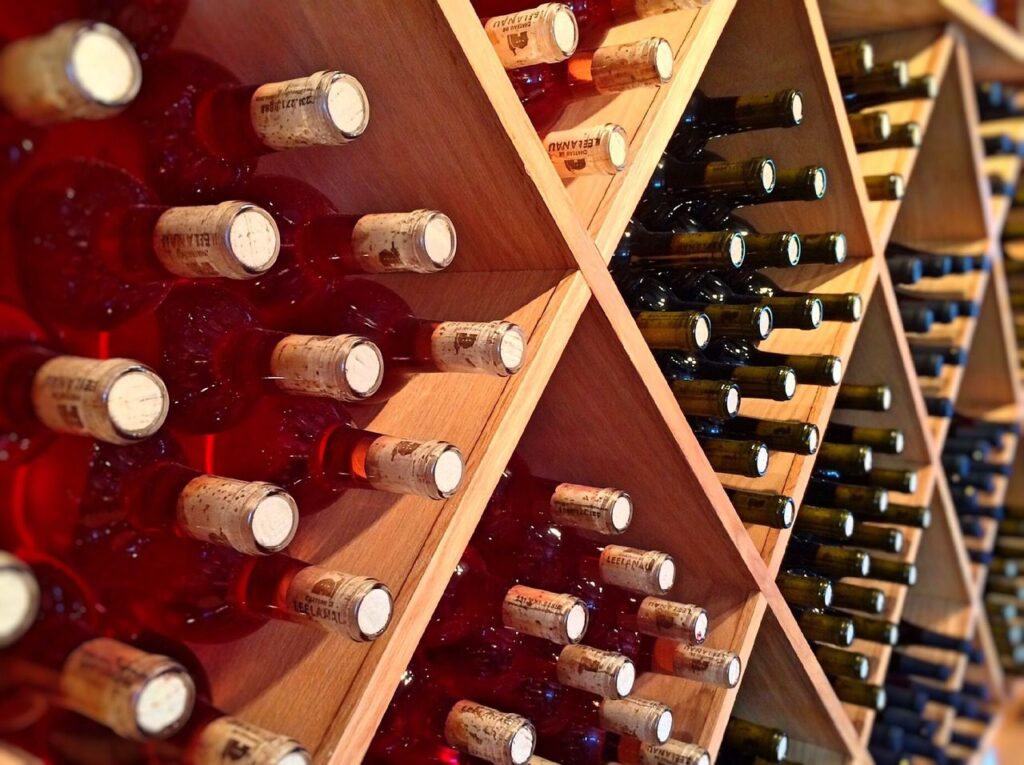

The idea of a global wine cork shortage sounds dramatic, but the real story is more nuanced. Natural cork is still a major part of the wine world, especially for premium bottles, and it is not suddenly disappearing. What is happening is more interesting, and more important in the long run: cork oak ecosystems face climate pressure, cork production works on slow biological cycles, and the wine industry has already become far more flexible about closures than it used to be.
That matters because closure choice is not just packaging. It affects cost, sustainability, consumer perception, and in some cases how a wine evolves in bottle. Natural cork still carries prestige and tradition, but screw caps, technical corks, and synthetic closures have all become part of the modern closure landscape. So if you are asking whether the wine industry is really facing a cork crisis, the best answer is this: not in the simple, panic-driven way the headline suggests, but there are real long-term pressures that matter for both producers and drinkers.
Key takeaways
- Natural cork is still widely used, especially for premium wine, but the closure market is much more diverse than it used to be.
- Cork supply is shaped by slow harvest cycles, specialized labor, and the long-term health of cork oak forests.
- Climate change is a serious long-term risk for cork oak ecosystems in the Mediterranean.
- Alternative closures such as screw caps and technical closures have grown because they offer consistency and avoid cork taint.
- The smartest way to understand the issue is as pressure on supply and changing closure choices, not a simple all-or-nothing cork collapse.
Table of contents
- Why cork still matters in wine
- Why the “cork shortage” story is too simple
- Climate change and cork oak forests
- Why natural cork is such a slow resource
- Why winemakers still want natural cork
- The rise of alternative closures
- What it means for wine drinkers
- What happens next for cork and wine closures
Why cork still matters in wine
Cork has stayed important for so long because it does several jobs at once. It seals the bottle, supports the ritual and premium image of wine, and in many cases fits the way producers want their wines to age. For a lot of drinkers, pulling a cork still feels like part of the wine experience. That may sound emotional rather than practical, but consumer perception matters in wine, especially in the premium end of the market.
There is also the technical side. Natural cork has long been valued because it allows a moderate level of oxygen exchange over time. That does not mean every cork-aged wine automatically becomes better, but it does help explain why cork remains associated with wines intended to evolve in bottle. Closure type is not the only factor in aging, far from it, but it is one part of the picture.
That is also why cork remains tied to the idea of fine wine, even in a world where alternative closures have become normal. The closure is not just functional. It also signals style, price level, and intent. If you want a refresher on wine terms around faults, aging, and closures, our wine glossary is a useful place to start.
Why the “cork shortage” story is too simple
The phrase “global cork shortage” makes it sound as if cork is suddenly vanishing and wineries everywhere are scrambling to seal bottles. That is too simplistic. The more accurate way to frame it is that natural cork faces long-term pressure from environmental risk, structural limits in how quickly it can be produced, and competition from alternative closures that solve some real problems for wineries.
In other words, this is not just a raw-material story. It is also a market story. If closures like screw caps and technical alternatives offer lower risk of cork taint, more predictable oxygen management, and easier logistics for some wine styles, they naturally take market share. That does not prove cork is in collapse. It just means cork no longer sits alone at the center of the closure world.
This makes the article stronger as an evergreen piece too. Instead of sounding like a time-sensitive crisis post, it becomes a more durable explainer about why cork still matters, what threatens it, and why the closure landscape has changed.
Climate change and cork oak forests
The most serious long-term concern around cork is environmental rather than cultural. Cork oak forests are concentrated in the western Mediterranean, especially in Portugal and Spain. Those landscapes are already under pressure from heat, drought, fire risk, and wider ecological stress. Since cork supply depends on healthy cork oak systems, climate change is not some distant theoretical issue here. It goes right to the source.
This matters because wine closures do not come from a factory in the abstract. Natural cork depends on living trees, landscapes, harvest cycles, and rural labor. If those forest systems become less resilient, the impact reaches far beyond one harvest. It affects long-term supply, bark quality, and the stability of an industry built around a renewable but slow natural material.
That broader environmental angle is one reason the cork debate increasingly overlaps with the wine industry’s wider sustainability conversation. If you want that bigger picture, our article on sustainability and innovation in winemaking is a strong next read.
Why natural cork is such a slow resource
One reason cork creates anxiety more easily than other packaging materials is that it moves on tree time, not factory time. Cork oak bark is harvested in long cycles, and wine-grade cork is the result of decades, not seasons. You cannot simply scale cork production overnight because demand increased or because one harvest season looked weak.
That long cycle is part of what makes cork attractive as a renewable natural material, but it also makes the supply chain less flexible. Add in the fact that harvesting requires skill and experience, and you can see why cork feels more vulnerable than closures made from metal, plastic, or industrial composites.
This is a good reminder that “natural” does not always mean easy. Natural cork is renewable, but it is not instantly expandable. That tension is one reason the wine world has had to become more realistic and pragmatic about closure choice.
Why winemakers still want natural cork
Despite all the pressure around cost, consistency, and alternative closures, many winemakers still prefer natural cork for at least part of their range. There are several reasons for that.
First, there is bottle-ageing intent. Some producers simply feel that cork suits the way they want the wine to mature. Second, there is image. In many markets, cork still aligns more naturally with premium wine than a screw cap does, even though that perception has softened over time. Third, there is the sustainability argument. Cork is renewable, biodegradable, and tied to landscapes that many producers and consumers actively want to support.
That does not mean cork is flawless. Cork taint remains part of the story, even if quality control has improved a lot over the years. If you want to understand that issue better, see our guide to corked wine and how to spot it.
For many wineries, then, the real decision is not “cork or no cork forever.” It is which closure best fits this particular wine, this market, and this price point. That is a much more modern, realistic way of looking at it.
The rise of alternative closures
Alternative closures did not gain traction just because cork had weaknesses. They grew because they solved real problems. Screw caps are consistent, easy to use, and immune to cork taint. Synthetic closures offered a way to preserve the look of a cork without some of the variability of natural bark. Technical corks and composite closures tried to bridge the gap between tradition and controlled performance.
The closure market is now much more segmented than it once was. Wines made for early drinking often sit very comfortably under screw cap. Premium wines may still lean toward natural cork. Technical closures can serve the middle ground well. And consumer resistance to screw caps is nowhere near what it used to be, especially in markets that care more about reliability than ritual.
That shift has also changed how people think about oxygen exposure. A natural cork, a technical cork, and a screw cap do not create the same bottle environment. That matters for freshness, reduction risk, aromatic development, and how a wine behaves over time. It is a more technical subject than many casual drinkers realize, but it matters.
The closure also affects what happens after the bottle is opened. If you want to understand that side better, our article on how long opened wine lasts is worth reading.
What it means for wine drinkers
For consumers, the cork story can feel more dramatic than it actually is. Most drinkers are not about to walk into a shop and find that wine bottles can no longer be sealed with cork. What they are more likely to notice is continued diversity in closure types, and maybe a gradual easing of old assumptions about what each closure means.
A screw cap should not automatically signal cheap wine. A natural cork should not automatically signal better wine. The closure tells you something, but not everything. It gives clues about intended drinking window, style, market positioning, and producer philosophy, but it is not a shortcut to quality on its own.
This is especially useful to remember if you buy wine mainly for drinking rather than collecting. A crisp white, a fresh rosé, or a fruit-driven red under screw cap may be a smarter choice than a mediocre bottle under natural cork simply because the producer chose the closure that best suits the wine.
In other words, the wine world is becoming a little less romantic and a little more rational about closures. That is not a bad thing. It just means the conversation is finally catching up with how wine is actually made and sold now.
What happens next for cork and wine closures
Natural cork is not disappearing, but it is unlikely to return to a world where it dominates wine closures in the old unquestioned way. The future looks more mixed. Cork will remain important, especially in premium wine and among producers who value its natural image, bottle-aging reputation, and cultural weight. At the same time, alternative closures will keep growing where convenience, consistency, or lower fault risk matter more.
The more interesting question is whether cork production can remain resilient enough to hold that premium role with confidence. That depends on forest management, climate adaptation, labor continuity, and continued quality control. If those pieces hold, cork remains not just viable, but deeply relevant. If they weaken, alternative closures become even more attractive.
That is also why the wine closure conversation should not be treated as a nostalgic culture war between “real wine” and “cheap wine.” It is a practical industry question shaped by sustainability, supply, performance, and consumer expectations.
And that is what makes this topic more durable than the old shortage headline. The real story is not panic. It is adaptation.
So, is there really a wine cork shortage?
There are real pressures on natural cork, but the clearest and most useful way to frame the issue is not as a simple global shortage. It is better understood as a combination of long-term environmental risk, slow biological supply cycles, and a wine industry that has already learned to work with multiple closure types.
Natural cork still matters. It still carries prestige, tradition, and real technical value. But it now lives in a closure market where it has to coexist with alternatives that solve problems natural cork never fully escaped. That makes the current moment less about collapse and more about transition.
For wine lovers, that is actually good news. It means the closure on the bottle is becoming a more thoughtful choice, not just a default.
Read next
- The Complete Guide to Understanding Corked Wine
- Innovations and Sustainability Drive the Future of Winemaking
- How Long Can an Open Bottle of Wine Last?
Last updated: