
When the weather turns warm, the best summer wines are usually the ones that feel fresh, bright, and easy to enjoy without losing character. That can mean a zesty white on a sunny terrace, a chilled rosé with grilled food, a light red for late evenings, or sparkling wine when the mood turns festive. Summer wine does not need to be simple, but it should feel right for the season.
In this guide, we look at five excellent wines for summer: Sauvignon Blanc, rosé, Albariño, Pinot Noir, and Prosecco. Each one brings something different to the table, from citrusy freshness and sea-breeze minerality to delicate red fruit and lively bubbles. The goal is not to crown one single winner, but to help you choose the right bottle for the kind of summer moment you actually want.
Key takeaways
- Sauvignon Blanc is one of the best summer wines if you want high acidity, citrus freshness, and easy food pairing.
- Rosé remains a warm-weather favourite because it works across many foods and drinking occasions.
- Albariño is ideal for seafood and coastal summer meals thanks to its freshness, stone fruit, and saline edge.
- Pinot Noir is a smart choice if you want a red wine in summer without going too heavy.
- Prosecco brings freshness, bubbles, and an easy celebratory feel that suits almost any summer gathering.
Table of contents
- What makes a wine good for summer
- Sauvignon Blanc
- Rosé
- Albariño
- Pinot Noir
- Prosecco
- How to choose the right summer wine
What makes a wine good for summer
Summer wine is not really a formal category. It is more about how a wine behaves in warm weather and around summer food. In most cases, the best bottles for the season share a few traits: freshness, drinkability, moderate weight, and the ability to work with lighter dishes or casual outdoor meals.
That is why acidity matters so much. Wines with bright acidity tend to feel more refreshing when temperatures rise. Crisp whites, dry rosés, and many sparkling wines naturally fit that profile. It is also why some lighter reds work better in summer than big, oaky, full-bodied reds that can feel too heavy in the heat.
Another part of the appeal is flexibility. Summer meals are often less formal. You might be eating grilled fish, seafood pasta, tomato salads, vegetables from the barbecue, cold meats, fruit desserts, or simply a plate of snacks in the late afternoon. The best summer wines are the ones that can move easily through those moments without needing too much explanation.
That does not mean all summer wines must be simple. Some are subtle, layered, and very terroir-driven. What matters is whether they feel lively and enjoyable in the context of the season. With that in mind, here are five wines that consistently work well.
Sauvignon Blanc: a zesty and vibrant summer classic
Sauvignon Blanc is one of the safest and smartest summer wine choices because it delivers immediate freshness. In the glass, it often shows citrus, tropical fruit, green apple, gooseberry, and herbal notes like cut grass or fresh herbs. That profile feels naturally cooling and energetic, especially when properly chilled.
One reason Sauvignon Blanc works so well in summer is its versatility. It fits casual lunches, aperitif hour, picnics, and seafood dinners equally well. If you are serving oysters, grilled prawns, goat cheese salad, ceviche, or a plate of simple vegetables with lemon and olive oil, Sauvignon Blanc is usually a very reliable match.
Regional style makes a difference. Marlborough in New Zealand is probably the most recognisable expression for many drinkers, often giving intense passion fruit, lime, and pungent herbal notes. Loire Valley examples such as Sancerre and Pouilly-Fumé can feel leaner, more mineral, and a little more restrained. California versions may show riper fruit and a slightly fuller texture depending on style and oak use.
That range is part of the grape’s appeal. If you want something bright and obvious, you can find it. If you want something more mineral and subtle, you can find that too. Either way, Sauvignon Blanc earns its place on almost any best summer wines list because it is refreshing without being boring.
It is also worth noting that Sauvignon Blanc teaches you a lot about climate and terroir. Cooler climates often push the grape toward sharper acidity and greener aromatics, while warmer climates can bring more tropical fruit and a rounder feel. That makes it enjoyable not only as a summer wine, but also as a grape to explore more seriously.
For readers who want to go deeper into regional white wine styles, our guides to wine regions and wine grape varieties are a good next step.
Rosé: the quintessential summer wine
Rosé remains the classic answer to summer drinking for good reason. A good rosé sits in a very useful middle ground. It has enough fruit to feel generous, enough acidity to stay refreshing, and enough flexibility to work with a wide range of foods. It is one of the few wine styles that can move easily from afternoon drinking to dinner without feeling out of place.
Part of rosé’s charm is that it can take many forms. Some bottles are pale, dry, and subtle, especially in the Provençal style. Others are deeper in colour, more fruit-driven, or slightly more robust depending on grape variety and production method. That means rosé is not just one thing. It is a category with real stylistic range.
In practical terms, rosé is often a brilliant bottle to open when the food plan is loose. It works with grilled vegetables, Mediterranean salads, seafood, charcuterie, roast chicken, picnic food, and many simple summer dishes that combine herbs, tomatoes, olive oil, and light proteins. It can also bridge groups of people with different tastes better than many whites or reds can.
Production method matters more than many casual drinkers realise. Direct press rosé often gives a lighter colour and more delicate style. Saignée rosé can be deeper and more intense. Sparkling rosé opens yet another side of the category. That range is part of why rosé remains so compelling when the weather gets warm.
If you want to understand the style better, you can also read our article on rosé wine production techniques. It helps explain why some rosés feel airy and elegant while others are fuller and more fruit-forward.
The real strength of rosé, though, is simpler than all of that. It just fits summer life very naturally. It suits barbecues, beach lunches, terrace dinners, and long evenings outside. That easy fit is why it remains one of the first wines people reach for once the season changes.
Albariño: a sea breeze in a glass
Albariño is one of the best summer wines for people who love seafood, coastal food, and whites with both fruit and tension. At its best, it combines peach, apricot, citrus, floral lift, and a saline or mineral edge that makes it feel very alive on the palate.
The classic home of Albariño is Rías Baixas in northwestern Spain, where Atlantic influence helps preserve the grape’s freshness. That maritime identity often comes through in the wine itself. Good Albariño can feel almost like sea air in liquid form, which makes it a natural partner for shellfish, grilled fish, ceviche, seafood pasta, and bright herb-driven dishes.
One of the reasons Albariño stands out in summer is that it offers more texture than some very light whites without sacrificing freshness. It is crisp, but not thin. Aromatic, but not overly perfumed. Fruit-driven, but often with enough minerality to stay serious. That makes it a strong option when you want a bottle that still feels refreshing but has a little more depth.
It also works well with vegetable-focused meals. Think grilled courgettes, peppers, asparagus, or a citrusy grain salad. The wine’s acidity keeps the whole experience lively, while the stone fruit and floral notes stop it from feeling austere.
Albariño is still slightly underrated compared with some more globally obvious summer wines, which is part of its appeal. It often feels like a bottle for people who already know the basics and want something a little more distinctive without moving into anything too challenging.
If you enjoy Albariño, it is also worth exploring our broader coverage of wine regions, since regional identity is a huge part of why the grape is so compelling.
Pinot Noir: the red wine that still works in summer
Summer does not have to mean giving up red wine. It just means choosing the right kind. Pinot Noir is often the best answer because it gives you red fruit, charm, and complexity without the heaviness that can make some reds feel tiring in hot weather.
A good Pinot Noir typically brings notes of red cherry, raspberry, cranberry, and subtle spice, sometimes with earthy or floral layers depending on region and age. What makes it especially useful in summer is its lighter body and bright acidity. It can often be served slightly cooler than room temperature, which makes it even more appealing in warm conditions.
Food pairing is another strength. Pinot Noir works well with grilled chicken, salmon, tuna, mushroom dishes, roast vegetables, and even some fruit-based dishes that might overwhelm bigger reds. It is one of the most flexible summer reds because it can sit happily between lighter meats and richer vegetable dishes.
Regional style matters here too. Burgundy remains the benchmark for many, offering more structure, savoury nuance, and complexity. Oregon often gives a lovely balance between fruit and freshness. New Zealand can bring vivid fruit and lift. Cooler-climate Pinot Noir is often especially good in summer because it keeps that sense of elegance and energy.
The grape also has a strong educational side. Pinot Noir is very transparent to place, which means it is a great wine for learning how region shapes style. But even if you are not studying, it remains one of the easiest reds to enjoy when the weather is warm and the food is light.
Pinot Noir is not always the cheapest answer, but when chosen well, it can be the bottle that keeps red wine on the table all summer without feeling too dense or too serious.
Prosecco: bubbles, freshness, and celebration
No list of the best summer wines would feel complete without a sparkling option, and Prosecco is the obvious crowd-pleaser. Its fresh bubbles, approachable fruit, and easy celebratory feel make it one of the most useful wines of the season.
Made primarily from the Glera grape, Prosecco typically offers flavours of green apple, pear, citrus, and white flowers. It is lively, gently aromatic, and usually less intense than Champagne. That lighter style is exactly why it works so well in summer. It feels festive without feeling heavy.
Prosecco is also extremely versatile. It works as an aperitif, with light canapés, with seafood, with salads, and in simple summer cocktails like the Aperol Spritz. It can even pair nicely with light fruit desserts depending on sweetness level. That range makes it one of the easiest bottles to open when you are hosting a group and want something that will please almost everyone.
It is worth paying attention to sweetness level. Brut styles are generally drier and more refreshing. Extra Dry often has a touch more softness and fruit. The right choice depends on whether you want something sharper or something slightly more generous and easygoing.
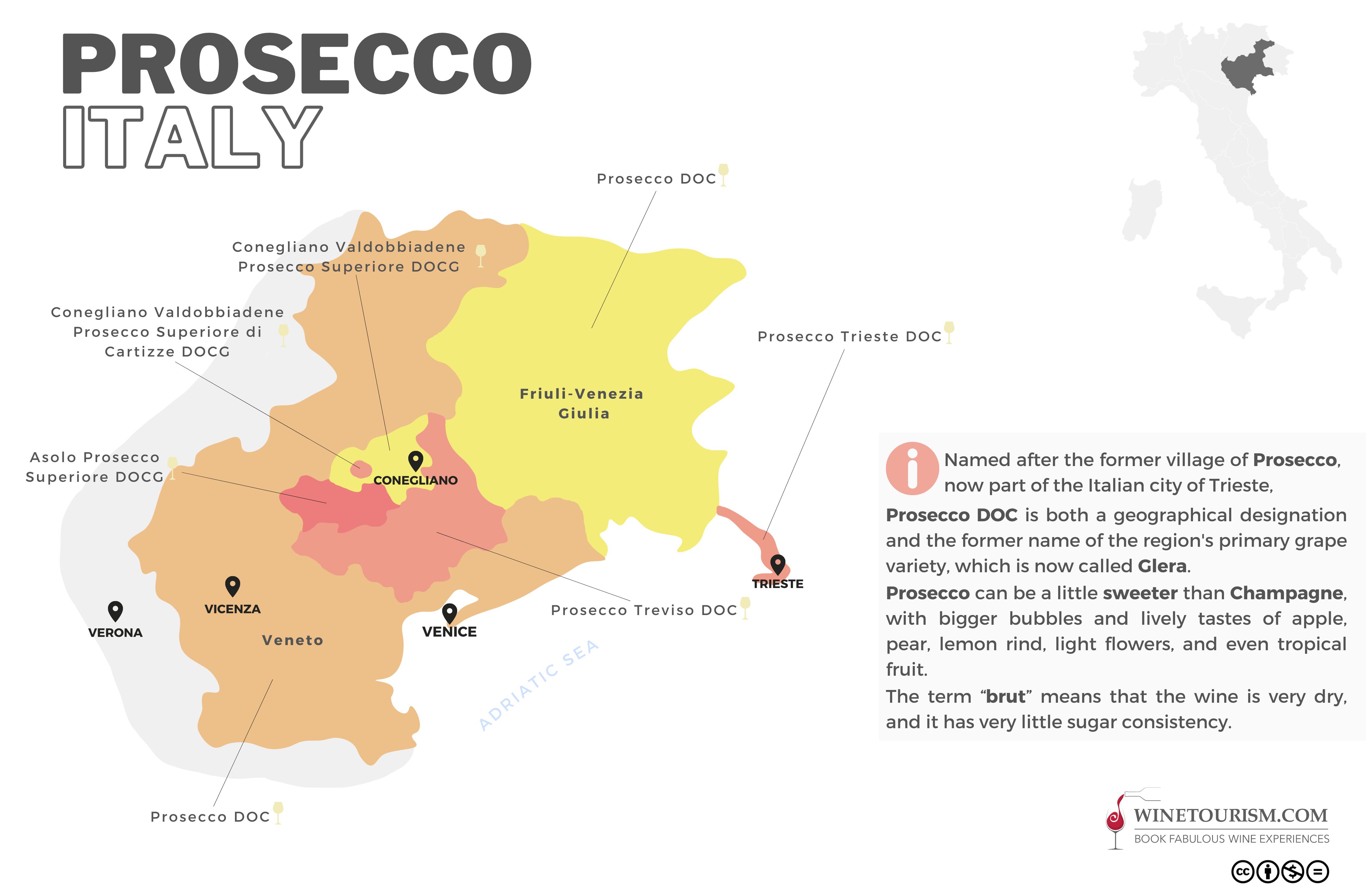
If you want to explore the grape behind the style, see our piece on Glera. If you want to go deeper into the place itself, our Prosecco wine map offers a good starting point.
What makes Prosecco so useful in summer, though, is not only taste. It is mood. It brings a sense of ease and celebration that fits the season perfectly, whether you are marking something special or just opening a bottle because the evening is warm and the company is good.
How to choose the right summer wine
If you are choosing between these five wines, the easiest way is to start with the kind of occasion. Sauvignon Blanc is great when you want crispness and versatility. Rosé is the all-rounder that handles almost anything. Albariño is excellent for seafood and coastal-style meals. Pinot Noir is the red for people who do not want to stop drinking red in summer. Prosecco is the bottle for aperitifs, brunches, parties, and easy celebrations.
You can also think in terms of food. Seafood points naturally toward Sauvignon Blanc, Albariño, or Prosecco. Barbecue and mixed summer platters often suit rosé or chilled Pinot Noir. Salads, grilled vegetables, and lighter Mediterranean dishes can go several ways depending on seasoning and richness.
Temperature matters too. Summer wine is often at its best when properly chilled, but not over-chilled. If a wine is too cold, you lose aroma and texture. Whites, rosés, and sparkling wines should feel fresh, not frozen. Pinot Noir can benefit from a light chill, especially if served outdoors.
The best summer wine, in the end, is the bottle that suits the setting. It should feel like part of the moment rather than something you have to work around. These five wines do that especially well, which is why they remain such strong seasonal favourites year after year.
Explore more summer-friendly styles through our guides to wine regions, wine grape varieties, and wine travel ideas.
Read next
Last updated: