
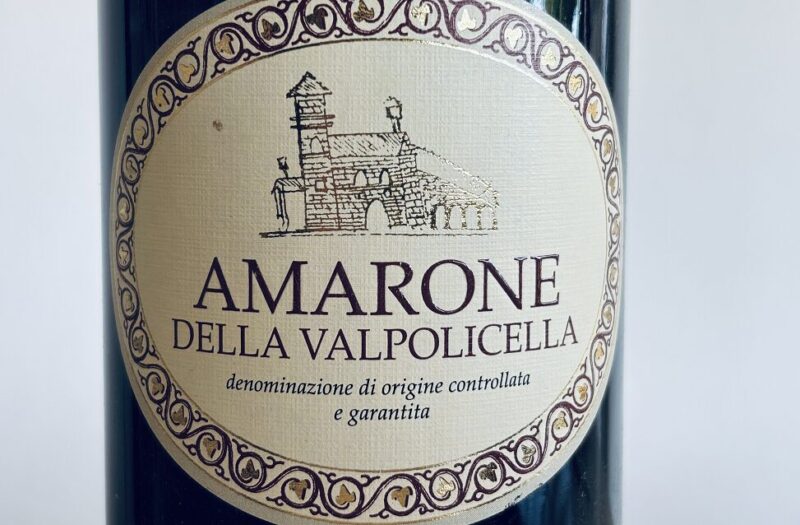
Fruit-forward wines are popular for a simple reason: they are easy to like. They offer ripe, obvious flavours, soft texture, and immediate pleasure, which makes them far more approachable for many drinkers than drier, more tannic, or more austere styles. That does not make them bad wines. It just means they deliver their appeal in a direct way.
At the same time, these wines are often looked down on by more serious wine drinkers, critics, and sommeliers, who tend to value structure, balance, restraint, and complexity over instant fruit and sweetness. That gap says a lot about how people approach wine. Some want comfort and pleasure from the first sip. Others want tension, detail, and something that keeps unfolding in the glass. This article looks at why fruit-forward wines are so widely loved, why they are so often criticised, and why the debate is not as simple as it first seems.
Key takeaways
- Fruit-forward wines are popular because they are easy to enjoy, especially for people who are newer to wine or prefer softer, rounder styles.
- Wine experts often criticise these wines for lacking complexity, structure, or the ability to evolve in the glass.
- The disagreement is partly about taste and partly about culture, status, and what different drinkers expect wine to be.
- There is no single correct way to enjoy wine, but it helps to understand why different styles appeal to different people.
In this article
- Why fruit-forward wines are so popular
- What people mean by “fruit-forward” and “sweeter”
- Why wine aficionados often push back
- Is the criticism always fair?
- Wine, taste, status, and perception
- What this debate really comes down to
Why fruit-forward wines are so popular
Plenty of wine people overcomplicate this question, but the basic answer is not hard to understand. Fruit-forward wines tend to be generous, smooth, and obvious in what they offer. You do not have to search for the flavour. You do not need years of tasting experience to “get it.” If a wine smells and tastes like ripe berries, plum, jam, black cherry, or sweet spice, most drinkers can recognise that immediately and decide whether they enjoy it.
That kind of instant clarity matters. A lot of casual wine drinkers are not looking for a puzzle. They are not sitting down hoping to identify wet leaves, pencil shavings, forest floor, cedar, graphite, dried flowers, or some faint savoury nuance that only appears after twenty minutes in the glass. They want something that tastes good right away. Fruit-forward wines do that well.
These wines are also often softer in feel. They can seem rounder, less severe, and less drying than wines with firmer tannins or sharper acidity. That makes them more inviting for people who find classic structured reds a little harsh or too demanding. It is one reason grapes such as Zinfandel have built such loyal followings. They deliver ripe fruit, warmth, and generosity in a way that many drinkers understand immediately.
There is also the simple matter of comfort. Humans like ripeness. Humans like fruit. Humans often like sweetness too, or at least the impression of sweetness. In wine, that can show up as actual residual sugar, but just as often it shows up as ripe fruit intensity, higher alcohol, softer acidity, and a lush style that feels sweet even when the wine is technically dry. For a lot of people, that is not a flaw. It is exactly what makes the wine enjoyable.
Food has something to do with it as well. Fruit-forward wines can be forgiving at the table, especially in casual settings. They often work well with barbecue, burgers, pizza, tomato-based dishes, grilled meats, and foods with a bit of sweetness, smoke, or spice. They do not always make the most precise food pairings, but they are often pleasant and crowd-friendly. That is one reason readers also gravitate toward broader guides like choosing universally appealing wine for any occasion. People often want something welcoming, not something confrontational.
And then there is confidence. Fruit-forward wines ask less from the drinker. They do not punish inexperience in the same way more austere wines sometimes can. They do not make people feel as though they are missing something important if they fail to detect a dozen subtle aromas. For many consumers, that ease is not a weakness. It is part of the appeal.
What people mean by “fruit-forward” and “sweeter”
These terms get used loosely, so it helps to slow down and separate them. A fruit-forward wine is a wine where ripe fruit flavours sit at the centre of the experience. That might mean blackberry, plum, cherry compote, blueberry, strawberry jam, or other vivid fruit notes that arrive early and dominate the palate. It usually suggests a wine that feels open and expressive rather than restrained.
That does not always mean the wine is genuinely sweet. Many wines described as sweet by casual drinkers are not especially high in residual sugar. They simply feel sweet because the fruit is ripe, the tannins are soft, the acidity is moderate, and the alcohol adds richness. The overall impression becomes plush and easy, which a lot of people interpret as sweetness even if the wine is technically dry.
This is part of why the conversation gets messy. Some wine aficionados hear the word “sweet” and immediately think of imbalance, manipulation, or lack of seriousness. Casual drinkers may just mean that the wine tastes fruity, smooth, and pleasant. Those are not the same thing, and when people use the same words differently, they end up talking past each other.
Zinfandel is a good example. In warmer climates, especially parts of California, it can lean toward jammy black fruit, sweet spice, and a broad, ripe style that many drinkers find irresistible. Primitivo, especially from Puglia, often appeals for similar reasons. It can feel generous, dark-fruited, and warm, with the kind of straightforward richness that works well for people who want immediate pleasure rather than delicate nuance.
That does not make these wines crude by definition. It just means they belong to a style family that favours obvious fruit and openness over tight structure and restraint. Wine experts often talk about balance, but balance itself is not one rigid thing. A wine can be broad and ripe while still being well made. It can also be overblown, alcoholic, and tiring. Style and quality are related, but they are not identical.
It is also worth saying that a lot of newer wine drinkers arrive from beer, cocktails, soft drinks, ciders, or mixed drinks rather than from some imaginary pure tasting tradition. Against that background, fruit-forward wines feel familiar. They make sense. They do not ask the drinker to unlearn their palate overnight. That is one reason these styles are often a gateway into wine rather than a dead end.
Why wine aficionados often push back
Wine aficionados usually do not criticise fruit-forward wines because they hate pleasure. They criticise them because they are often looking for something different from wine. For them, the point is not just whether a wine tastes nice right now. The point is whether it has shape, tension, subtlety, and the ability to reveal more over time.
Complexity is the big word here. Serious wine drinkers often value wines that evolve in the glass and show different layers as they open up. They want aromas that shift. They want flavour that is not all delivered in the first five seconds. They want contrast between fruit, acidity, tannin, earthiness, spice, and savoury notes. They want the wine to keep giving them something to think about.
Fruit-forward wines can seem too simple by comparison. When the dominant impression is ripe fruit from start to finish, with little tension or development, some wine lovers see that as one-dimensional. They do not necessarily deny that the wine is enjoyable. They just do not find it especially interesting.
Structure matters too. In classic wine language, acidity keeps a wine lively, tannins give it shape, and restraint often creates a sense of poise. When a wine feels very ripe, soft, and broad, critics may feel it lacks backbone. If the fruit feels too sweet, the alcohol too warm, or the finish too plush and short, they may read that as imbalance rather than generosity.
There is also a suspicion among some critics that obvious fruitiness can cover weaker winemaking or less distinctive raw material. The argument goes like this: if a wine is made to taste ripe, smooth, and easy above all else, it may not need to show site character, subtlety, or a particularly careful hand in the cellar. Whether that suspicion is always fair is another question, but it is one reason the style often gets dismissed.
Another factor is aging potential. Many serious wine lovers admire wines that can develop over time. They want bottles that gain complexity, deepen, and change over years. Fruit-forward wines are often made to be consumed young and enjoyed for exactly what they are now. To some drinkers, that is perfectly sensible. To others, it lowers the wine’s perceived ambition.
This difference in expectation is important. If someone approaches wine as an intellectual hobby, a fruit-forward, softer style may feel too obvious. If someone approaches wine as a drink to enjoy with dinner, that same style may feel generous and satisfying. The disagreement is often less about right and wrong than about what each person wants from wine in the first place.
Is the criticism always fair?
Not always. Some of it is fair, and some of it is lazy.
The fair part is this: plenty of fruit-forward wines really are simple, overripe, and forgettable. Some are made to hit obvious flavour cues because that is easy to sell. Some lack freshness. Some feel heavy after a glass or two. Some use sweetness or ripe fruit character to smooth over rough edges. Pretending otherwise would be dishonest.
But the lazy part is assuming that all wines in this style are automatically lesser. That is no more sensible than assuming every lean, acidic, earthy wine is automatically profound. Style does not equal quality. There are balanced, well-made fruit-forward wines, just as there are thin, joyless, overpraised “serious” wines that people admire more out of habit than pleasure.
This is where broader pieces like wine myth busting matter. Wine culture has always carried a lot of inherited assumptions. One of them is that the more difficult a wine is, the more noble it must be. Another is that obvious pleasure is somehow suspicious. Both ideas can distort judgment.
A genuinely good fruit-forward wine still needs balance. It still needs enough freshness to avoid feeling sticky or tired. It still needs some structure, even if that structure is softer than in a Cabernet Sauvignon or Nebbiolo. It still needs a clean finish and enough restraint that the wine feels expressive rather than clumsy. When those things are present, the style can work very well.
It is also unfair to pretend that casual appeal is meaningless. Making a wine that many people genuinely enjoy is not automatically a sign of artistic compromise. Sometimes it is simply a sign that the producer understands drinkability. Wine does not always have to be difficult to be worthwhile.
In fact, one of the most useful things a wine lover can do is learn to separate personal preference from quality judgment. You may not love softer, sweeter-feeling, fruit-driven wines yourself. Fine. But that is not the same as saying they are all badly made. Likewise, someone who loves those wines should be able to admit that some examples can feel simplistic or overblown. Both things can be true.
Wine, taste, status, and perception
This debate is not just about flavour. It is also about identity.
Wine has always carried a social charge that many other drinks do not. It can signal knowledge, taste, money, travel, education, and belonging. That means wine choices are rarely just about what is in the glass. They also carry messages about who we think we are and how we want to be seen.
That is part of why certain wine drinkers can be so defensive about simpler, sweeter, or more obviously fruity styles. If wine is central to your identity, then preferring subtlety, restraint, and hard-won complexity can become part of how you separate yourself from the crowd. A wine that is easy to enjoy can then start to look unserious, not because of the liquid itself but because of what it represents socially.
This is closely tied to the psychology behind why people often assume some wines must be better because they seem more prestigious, rare, or difficult. Corked News already touches on this in the psychology of wine and why we think expensive wine tastes better. People do not taste in a vacuum. Labels, price, language, and expectations shape the experience before the first sip.
That helps explain why the divide can become snobbish so quickly. If someone says they love a soft, jammy, fruity red, a certain kind of wine lover hears not just a taste preference but a lack of sophistication. That reaction is more revealing than many people realise. It says as much about wine culture and insecurity as it does about the bottle itself.
Of course, the reverse can happen too. Some casual drinkers dismiss more structured or less obvious wines as boring, sour, dry, or pretentious without really giving them a chance. That is not especially helpful either. The truth is that both camps can become narrow-minded in their own way.
A healthier wine culture would make room for both pleasure and curiosity. It would allow people to love what they love while still learning how style, structure, and context shape the experience. That is a better outcome than turning wine into a personality test.
What this debate really comes down to
At heart, this debate is about different ideas of what wine is for.
For one group, wine is mainly about enjoyment. It should taste good without effort, work in normal life, and not require a lecture before it becomes pleasurable. Fruit-forward wines fit that model very well. They are expressive, comforting, and often easy to share with people who are not deeply immersed in wine talk.
For another group, wine is partly about discovery. It should reveal something about grape, place, structure, vintage, and time. It should reward attention. It should have layers, not just flavour. Fruit-forward wines can struggle under that kind of scrutiny, especially when they are made mainly for immediate impact rather than depth.
Neither approach is illegitimate. They are simply aimed at different pleasures. One values approachability. The other values complexity. One likes the wine to open its arms immediately. The other likes the wine to hold something back and make the drinker work a little.
The best outcome is not forcing one side to surrender to the other. It is understanding the difference. A person who loves a plush Primitivo or ripe Zinfandel should not feel embarrassed about that. A person who prefers a firmer, more layered wine should not have to apologise for wanting more tension and depth. The problem only starts when either side treats its preference as moral superiority.
If you are trying to broaden your palate, it is worth stepping outside your comfort zone in both directions. If you always drink soft, fruit-driven reds, try something with more acidity or tannin and see what you start noticing. If you always chase austere, “serious” bottles, try revisiting a generous, fruit-forward wine and ask yourself whether you are dismissing it too quickly. The goal does not have to be conversion. It can just be understanding.
And that is where wider wine education becomes useful. Articles on how to taste wine exist for a reason. The more you understand how fruit, acidity, tannin, alcohol, texture, and finish interact, the easier it becomes to describe what you actually enjoy instead of falling back on borrowed snobbery or defensive taste claims.
What to remember
Fruit-forward wines are loved by many because they are generous, smooth, expressive, and easy to enjoy without much effort. That appeal is real, and it should not be dismissed as somehow lesser just because it is obvious. Not every good wine has to be austere, challenging, or intellectual.
At the same time, the criticism from wine aficionados is not completely invented. Some fruit-forward wines do lack complexity, freshness, or structure, and some are built more around instant impact than long-term interest. That is a valid criticism when it is applied carefully and honestly.
The real problem starts when style gets confused with quality, or when taste becomes a status contest. Wine is broad enough to make room for immediate pleasure and slower-burning complexity. Sometimes you want a wine that makes you think. Sometimes you want a wine that just tastes great on the first sip. There is room for both, and understanding that is far more useful than pretending one camp has all the answers.
Read next
- Zinfandel Red Wine Grape: From Croatia to California
- The Psychology of Wine: Why We Think Expensive Wine Tastes Better
- Wine Myth Busting: Separating Fact from Fiction in the World of Wine
Last updated: