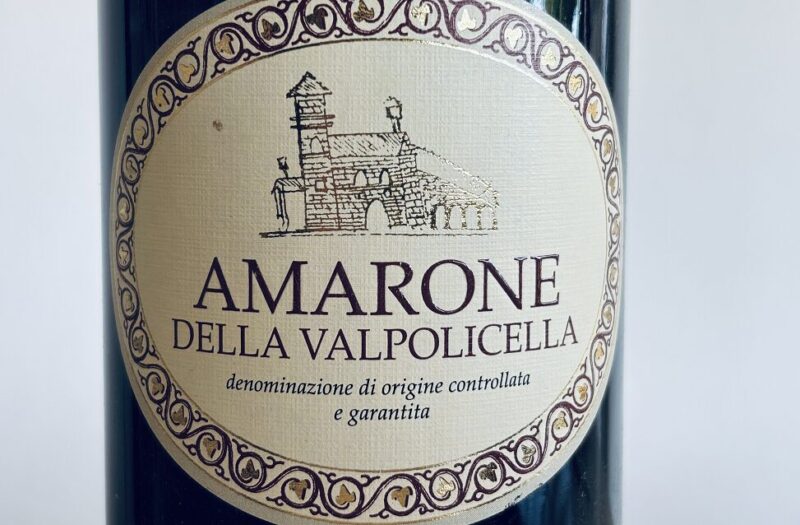
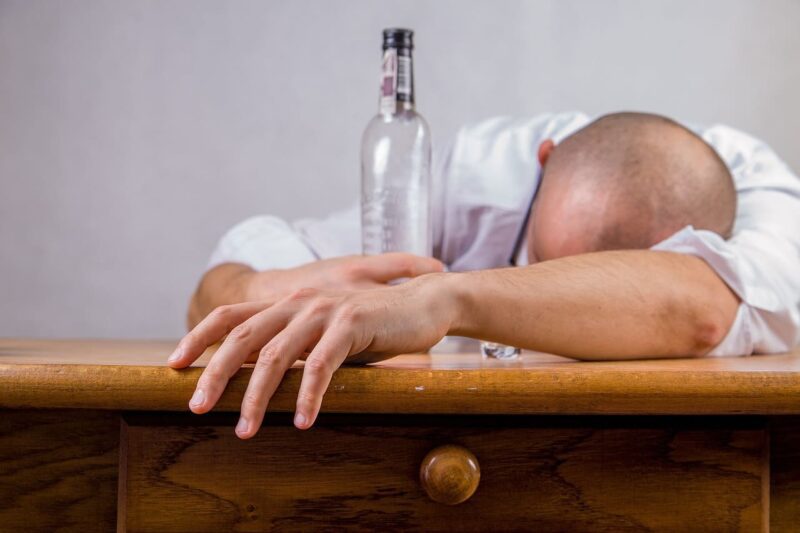
Wine has a reputation for producing especially rough mornings. A lot of drinkers swear that wine, especially red wine, leaves them feeling worse than beer or spirits. But the real answer is more nuanced than that. Wine is not automatically worse than every other type of alcohol. In most cases, the biggest driver of a hangover is still how much alcohol you drank, how quickly you drank it, whether you ate, how hydrated you were, and how your body personally reacts.
That said, the wine hangover myth did not come from nowhere. Some people do seem to feel worse after wine, particularly fuller-bodied reds. That can be down to drinking habits, higher alcohol levels in some bottles, and individual sensitivity to compounds found in wine. So the better question is not “Is wine always worse?” but “Why does wine sometimes feel worse?” That is where the topic gets much more useful.
Key takeaways
- Wine does not automatically cause worse hangovers than other alcohol.
- The main driver is still total alcohol intake, especially when you drink quickly or on an empty stomach.
- Some people may react more strongly to red wine because of personal sensitivity and wine-specific compounds.
- The best way to reduce a wine hangover is not a miracle cure. It is moderation, food, water, and slower drinking.
Table of contents
- Does wine really cause worse hangovers?
- What actually causes a hangover?
- Why wine gets blamed so often
- Red wine vs white wine
- Wine vs beer vs spirits
- How to lower the risk of a wine hangover
Does wine really cause worse hangovers?
The short answer is no, not automatically. Wine can feel worse for some people, but it is not uniquely cursed. A bad hangover is usually the result of a few things piling on top of each other: too much alcohol, too little water, not enough food, poor sleep, and sometimes simply underestimating how much you actually drank.
Wine is especially easy to underestimate. It is often served in large glasses, poured generously at dinners, and consumed steadily over time. A couple of “relaxed” glasses can quickly add up to more alcohol than people think, especially if the bottle is on the stronger side. That is one reason wine can get a worse reputation than it sometimes deserves.
So the myth is partly wrong and partly understandable. Wine is not inherently more punishing than everything else, but the way people drink it can make it feel that way.
What actually causes a hangover?
There is no single cause. A hangover is more like a pile-up of effects from alcohol on the body. Dehydration matters, but it is only part of the story. Alcohol can also disturb sleep, irritate the stomach, affect blood vessels, trigger inflammation, and leave behind acetaldehyde during metabolism, which is one reason you can feel awful even after the alcohol itself is no longer giving you a buzz.
That is also why hangovers do not feel the same for everyone. One person gets the pounding headache. Another gets nausea and shaky fatigue. Another mainly feels anxious and foggy. The same amount of alcohol can produce very different next-day effects depending on body size, pace of drinking, sleep, food, hydration, and personal sensitivity.
This is the most important point in the whole article: the biggest predictor is usually still alcohol dose. In plain English, the more you drink, the greater the chance of a rough next day. That matters more than clever theories about one magical culprit inside the bottle.
Why wine gets blamed so often
Wine gets singled out because it can combine several things people notice very quickly. First, many wines have a higher alcohol level than casual drinkers realise. A strong pour of wine can contain more alcohol than people mentally count as “just one glass.” Second, wine is often drunk slowly but continuously, which can disguise the total amount. Third, some people seem to react more strongly to certain compounds, especially in red wine.
That last point is where the subject usually gets messy. People often jump straight to sulfites, but that is not the clean explanation many assume. Sulfites are easy to blame because they are written on labels and widely discussed online, but they are not a convincing universal reason why wine feels worse the next day. For a smaller group of people with specific sensitivity, they may matter. For everyone else, they are probably not the whole story.
Other compounds may be more relevant for some drinkers. Red wine contains tannins and other skin-derived compounds, and it can also be associated with histamine-related reactions in sensitive people. That does not mean every red wine causes headaches or that all wine hangovers come from these compounds. It simply means some bodies react differently, and wine is not just ethanol in a vacuum.
This is also why two people can share the same bottle and wake up feeling completely different. Personal sensitivity matters more here than many wine myths admit.
Red wine vs white wine
When people complain about wine hangovers, they usually mean red wine. That is not surprising. Red wines tend to bring more tannin, more extraction from skins, and often a heavier overall feel. Bigger reds can also be served in large bowls and sipped like comfort drinks, which makes it easier to lose track.
A fuller red such as Cabernet Sauvignon may therefore hit some people harder than a lighter red such as Pinot Noir, especially if the bigger wine is higher in alcohol and poured more generously. That does not make Cabernet “bad.” It just means style matters. Weight, tannin, alcohol level, and how fast you drink all shape the next day.
White wine often feels easier for many drinkers, but that is not a universal rule either. A rich oaked Chardonnay can still be quite powerful, while a crisp Sauvignon Blanc can feel much lighter and fresher. In practice, many people do better with cooler, lighter, lower-tannin styles, not because white wine is magically safe, but because those wines can be easier to sip more slowly and in smaller amounts.
So the most useful distinction is not just red versus white. It is heavy versus light, high-alcohol versus lower-alcohol, and sensitive body versus non-sensitive body.
Wine vs beer vs spirits
Beer, wine, and spirits all have their own hangover myths. Beer gets treated as gentler, spirits as more dangerous, and wine as sneakily punishing. In reality, comparisons are hard because people rarely consume them in equal ways. Beer is often drunk in large volume, wine in steady pours, and spirits in stronger but smaller measures or mixed drinks.
If you compare equal alcohol intake, the differences become smaller than many people think. That said, congeners can matter at the margins. Darker drinks tend to contain more congeners than clearer ones, which is one reason some people feel especially rough after bourbon or similar spirits. This is also why the old “wine is always the worst” claim is too simplistic. Plenty of darker spirits can be just as brutal, or worse, depending on the amount.
The real pattern is simpler than the myths suggest. Drink a lot of alcohol, especially quickly, and your chances of a bad next day rise. Drink less, eat properly, slow down, and the type of drink matters a bit less than people often assume.
How to lower the risk of a wine hangover
There is no magic trick here. The best prevention is still limiting how much you drink. But there are a few practical habits that genuinely help lower the odds of waking up wrecked.
Eat before and while you drink
Wine lands differently when it is paired with real food instead of an empty stomach. Food slows alcohol absorption and usually helps you pace yourself more naturally. That is one reason wine often feels better at a meal than in a long, half-distracted evening of refills. Your food and wine pairing guide is a very natural internal link here, because pairing is not just about flavour. It can also make drinking more measured.
Drink water and slow the pace
Water is not a cure, but it is still a smart habit. A glass of water between pours can help you slow down and can make the night less dehydrating overall. Pace matters more than people think. Wine is easy to drink continuously because it rarely feels as aggressive as shots or mixed drinks, which is exactly why it can catch people off guard.
Serving temperature can help with pacing too. Wine that is too warm often gets poured and drunk too casually, especially red wine at home. A slightly cooler glass can feel fresher and slower to drink. That is a good place to point readers to The Ultimate Guide to Quickly Chilling Wine.
Be honest about the style of wine
If you already know that bold, tannic reds hit you harder, do not keep pretending every bottle is a neutral experiment. Choose styles that work better for your body. Lighter reds, fresher whites, and more moderate alcohol levels may simply suit you better. That is not being fussy. It is being practical.
This is also where personal preference and personal tolerance meet. A bottle that feels smooth and impressive at night is not always the bottle that loves you back the next morning.
Do not chase the “healthy” wine myth
Organic, biodynamic, low-intervention, low-sulfite, and “clean” wine claims often get dragged into hangover conversations. Some people may genuinely feel better with certain wines, but there is no universal shortcut here. Marketing language should not replace basic logic. Drinking less still matters more than buying a bottle with comforting buzzwords.
For readers who just want a safer crowd-pleasing bottle style rather than a lecture, Guide to Choosing Universally Appealing Wine for Any Occasion is a useful next click.
What the wine hangover myth gets right and wrong
The wine hangover myth gets one thing right: some people really do feel worse after wine, especially after rich reds, big pours, and long evenings where the bottle keeps quietly emptying. But the myth goes wrong when it treats wine as uniquely terrible by default. That is too broad, too dramatic, and not very helpful.
A better view is this: wine can feel worse for some people because of how it is served, how much is consumed, and how individual bodies respond to certain compounds. But the next-day damage is still driven mainly by total alcohol intake and drinking habits, not by some universal curse that belongs only to wine.
That makes the answer less glamorous, but more useful. Wine is not automatically the villain. Most of the time, the real culprit is still the amount, the pace, and the context.
Read next
- Learn How to Pair Food and Wine: In-Depth Guide
- The Ultimate Guide to Quickly Chilling Wine: Techniques for a Perfect Glass Every Time
- Guide to Choosing Universally Appealing Wine for Any Occasion (In-Depth)
Last updated: