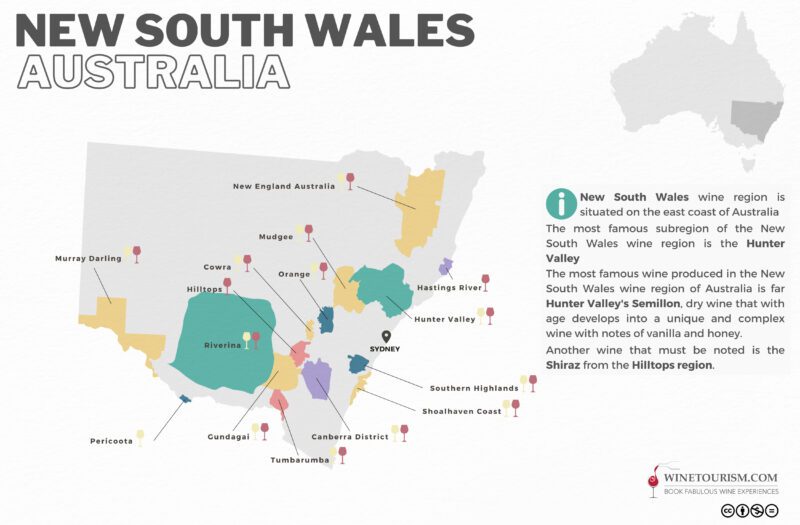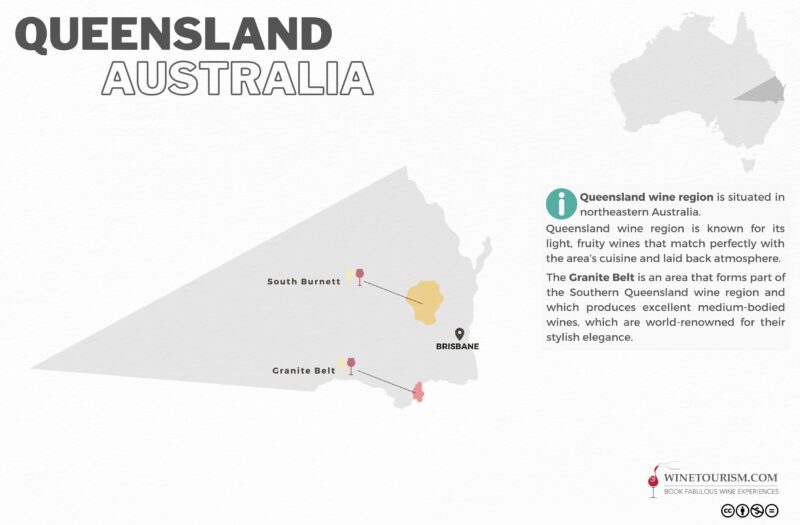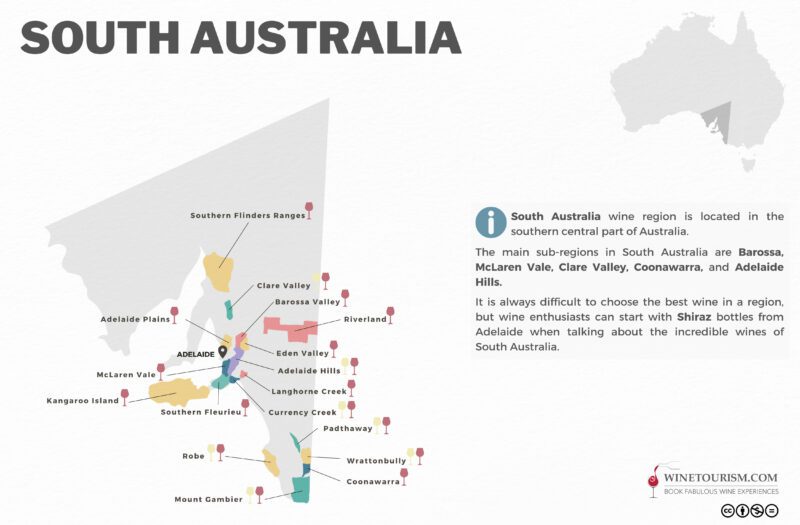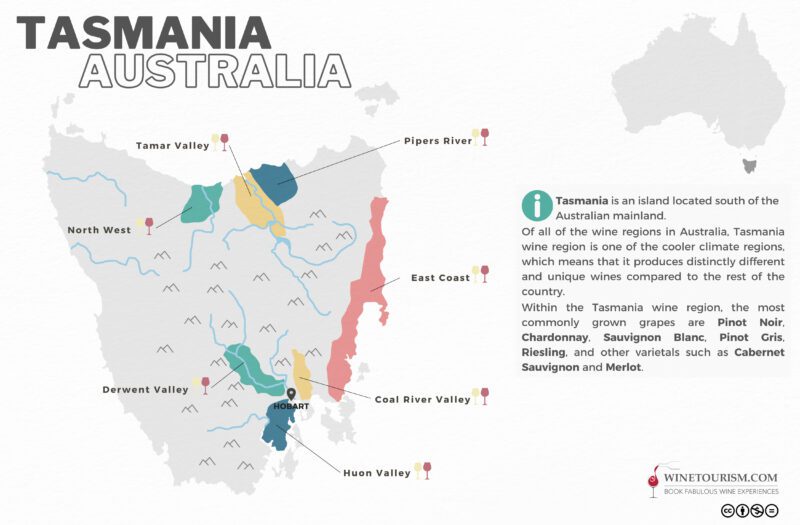
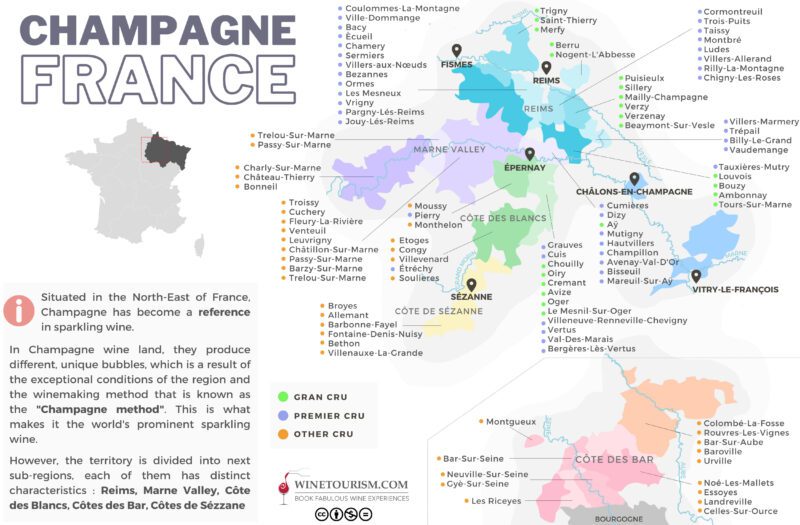
If you are looking for a free Champagne wine region map, you can download the full-size version below. Champagne is one of the most famous wine regions in the world, known for its sparkling wines, historic prestige, and a style that has become synonymous with celebration.
Download the full-size Champagne wine region map here
Key takeaways
- Champagne is the world’s most famous sparkling wine region.
- The region is especially known for Chardonnay, Pinot Noir, and Pinot Meunier.
- Its cool climate and chalky soils help shape the region’s distinctive wine style.
- Champagne combines tradition, prestige, and strong regional identity.
- You can download a free high-resolution Champagne wine map from the link above.
Table of contents
- Download the map
- Why Champagne stands out
- What the region is known for
- Climate, soils, and grapes
- Prestige, tradition, and identity
- Why this map is useful
Download the map
This page gives you access to a free, detailed, high-resolution wine map of the Champagne wine region in France. It is useful if you want a clearer overview of one of the world’s most recognisable wine areas, whether for travel planning, wine study, or general interest.
Click here to open and download the full-size map
Why Champagne stands out
Champagne stands out because it is more than just a wine region. It is one of the few places in the wine world that has become a global symbol. Even people who know very little about wine usually know the name Champagne, and they associate it with quality, elegance, and celebration.
That recognition did not happen by accident. Champagne built its reputation through a mix of geography, winemaking skill, strong regional identity, and a long history of protecting its name. The result is a region that feels almost unmatched in terms of public awareness and cultural prestige.
It also stands out because the region has managed to stay both traditional and relevant. Champagne is one of the oldest and most respected wine names in the world, but it still feels current. It remains central to luxury, hospitality, gifting, and wine education in a way very few regions can match.
A map is especially useful here because so many people know Champagne as a label without really knowing the place behind it. Once you see the region as a real geographic area, the wines become easier to understand on a deeper level.
What the region is known for
Champagne is renowned worldwide for producing the iconic sparkling wine of the same name. That is the main reason readers search for it, but the region’s identity goes further than just sparkling wine in general. Champagne represents a specific style, a protected place, and a level of precision that sets it apart.
The region is best known for wines built around Chardonnay, Pinot Noir, and Pinot Meunier. Those three grapes are central to Champagne’s style and reputation. Together, they allow producers to create wines that can balance freshness, structure, fruit, texture, and age-worthiness.
Champagne is also known for its elegance. Even when the wines are rich or expressive, they are often described in terms of finesse rather than weight. That sense of precision is a major part of why the region has become such a benchmark.
For many readers, Champagne also carries an emotional identity. It is tied to weddings, milestones, celebrations, and luxury. That public image is powerful, but behind it is a real wine region with specific soils, climate conditions, and vineyard traditions. A map helps connect the symbol to the place.
Climate, soils, and grapes
One of the most important things about Champagne is that its wine style is closely linked to its environment. The region’s cool climate plays a major role in preserving acidity, freshness, and structure. Those qualities are essential in sparkling wine, where balance matters just as much as flavour.
The chalky soils are another defining part of Champagne’s identity. These soils are often mentioned for a reason. They help with drainage, influence vine behaviour, and contribute to the kind of tension and mineral precision many readers associate with top Champagne wines.
Then there are the grapes. Chardonnay often brings lift, freshness, and elegance. Pinot Noir adds body and structure. Pinot Meunier contributes fruit and approachability. Not every wine uses the grapes in the same way, but together they form the core language of Champagne.
This combination of cool climate, chalky soils, and carefully chosen grape varieties is one reason the region is so difficult to copy in any complete sense. Other places can make excellent sparkling wine, but Champagne remains Champagne because of the way these factors come together in one place.
Prestige, tradition, and identity
Champagne embodies tradition in a very visible way. It is one of the wine world’s clearest examples of a region where heritage still shapes modern reputation. The area carries centuries of winemaking history, and that history continues to influence how the wines are made, marketed, and understood.
At the same time, Champagne is not just old and famous. It is also highly disciplined in how it protects quality and identity. That strong sense of place is part of why the name carries so much weight globally. Readers often think of Champagne as a category, but it is first and foremost a region.
The prestige of Champagne also comes from consistency. The region has built enormous trust over time. When people buy Champagne, they expect a certain level of care, style, and seriousness. That expectation has helped the region keep its status even as global wine trends shift.
It is also a region that works especially well in educational content because it sits at the intersection of wine, culture, geography, and symbolism. Readers may arrive because they want a map, but they often stay because Champagne is one of the easiest regions to connect with on both an emotional and wine-specific level.
Why this map is useful
A Champagne wine region map is useful because Champagne is one of the most famous wine names in the world, yet many readers still do not have a clear sense of where it sits within France or how the region works geographically. A map fixes that quickly.
It helps readers move from brand recognition to actual regional understanding. That matters for anyone learning about sparkling wine, planning a trip, or comparing Champagne with other French wine regions.
The map is also useful because Champagne has such strong search intent. People are often looking for something practical, not just descriptive text. A downloadable high-resolution map gives them something concrete they can use, save, and return to later.
For Corked News, this kind of page also supports broader internal linking across France travel content, sparkling wine content, grape variety pages, and regional wine education. Champagne is one of the strongest anchor regions for all of those topics.
See also our Wine Travel Ideas for France.
Wine map kindly provided by WineTourism.com.
Read next
Last updated: