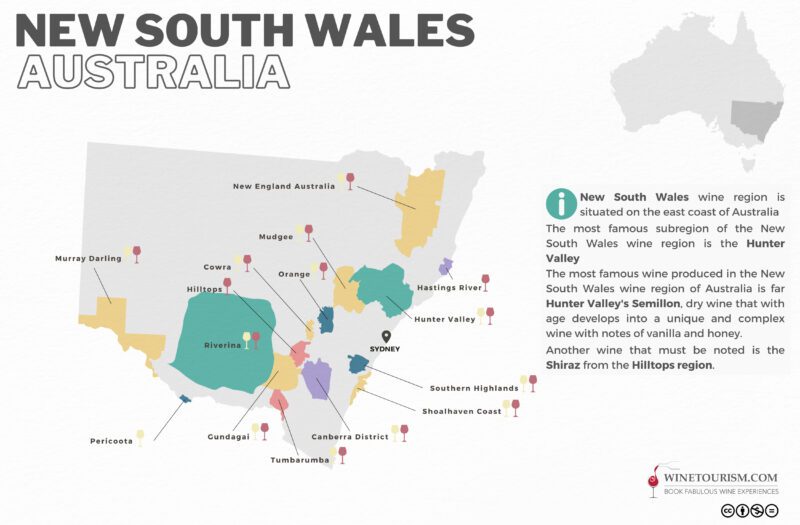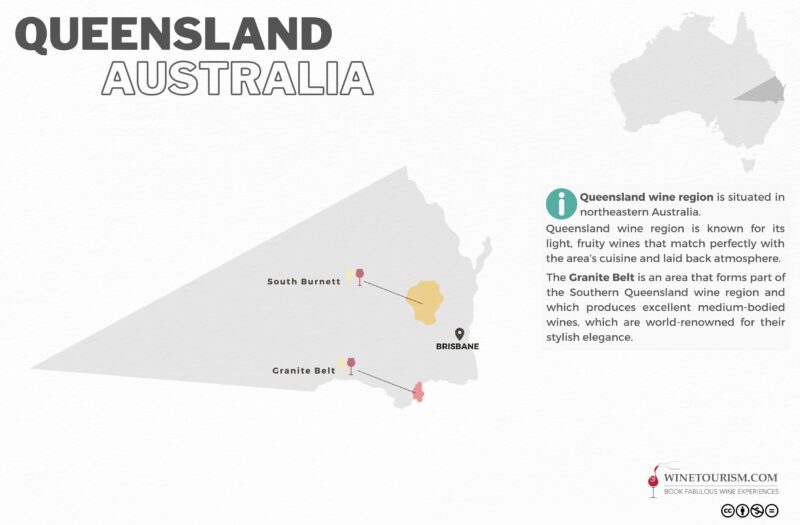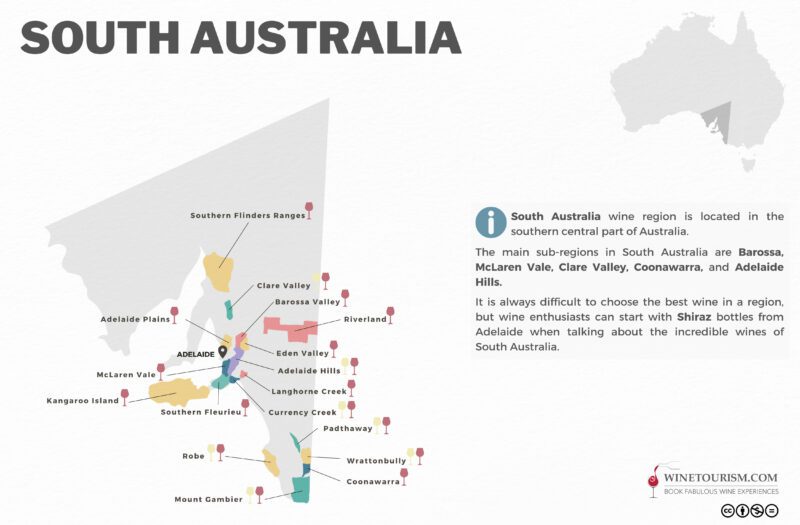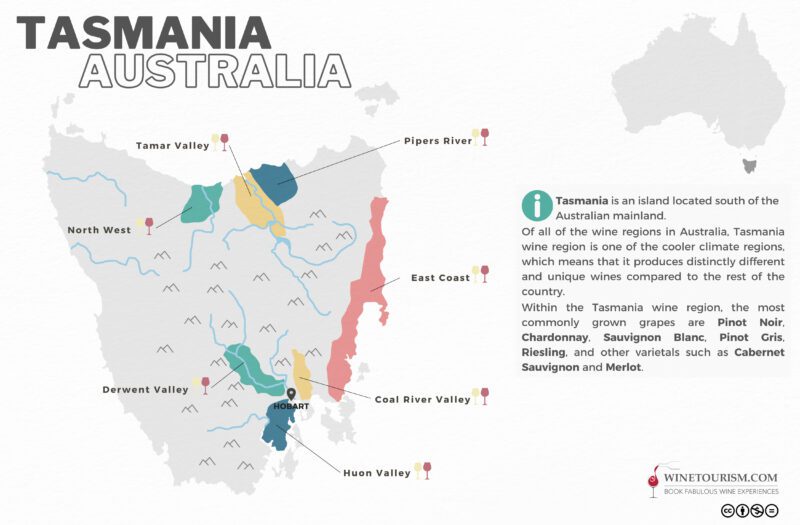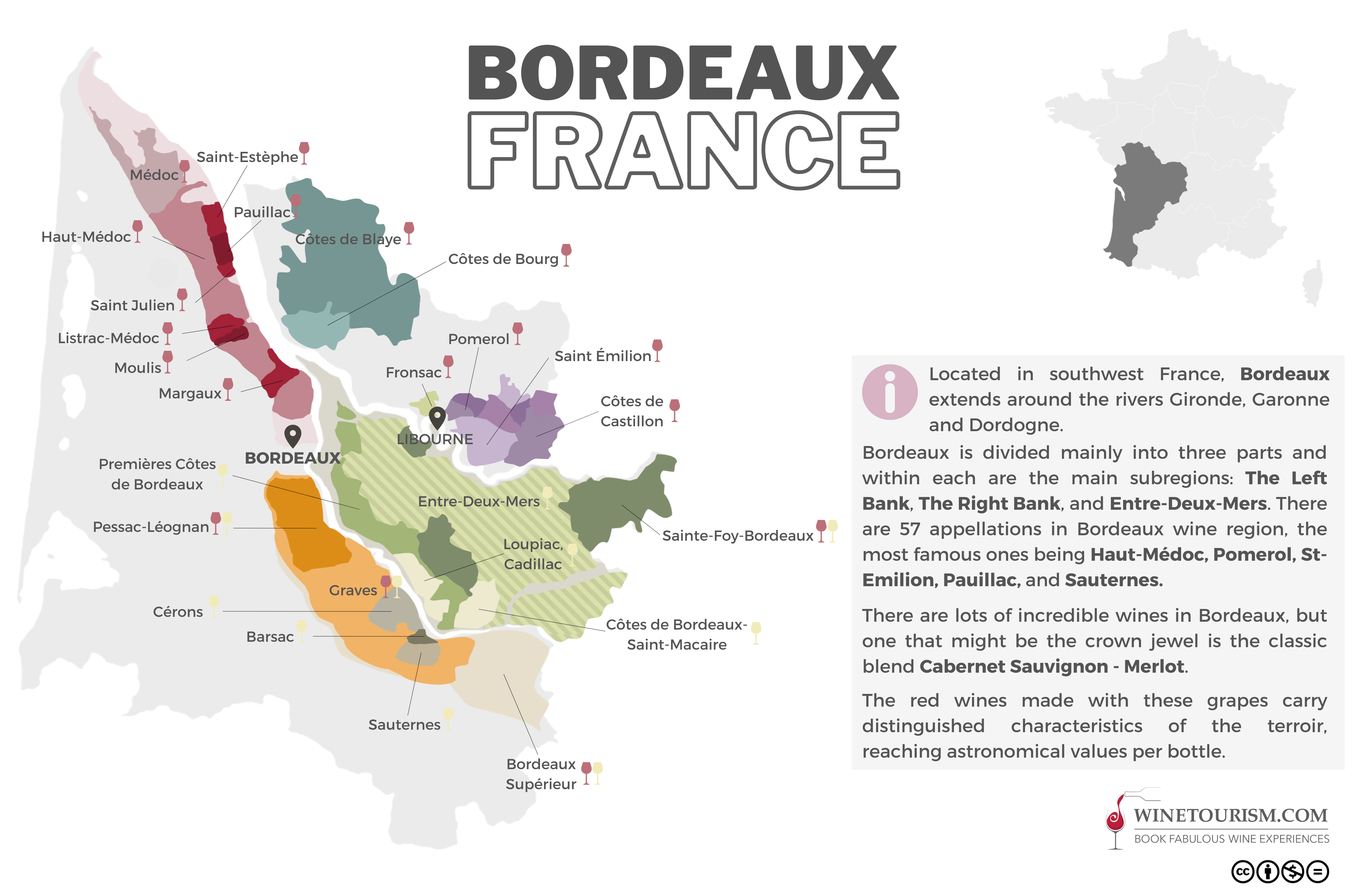
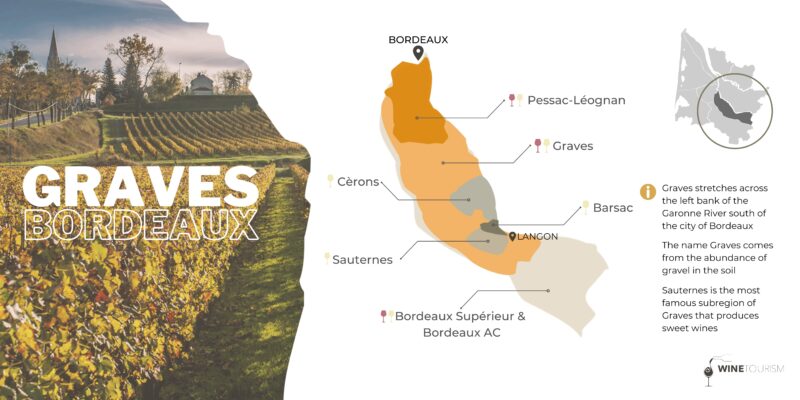
If you are looking for a free Graves wine region map, you can download the full-size version below. Graves is one of Bordeaux’s most important wine regions, known for both red and white wines, gravelly soils, and a long reputation for quality on the left bank of the Garonne.
Download the full-size Graves wine region map here
Key takeaways
- Graves is a major Bordeaux wine region on the left bank of the Garonne River.
- The area is known for both red and white wines, which is one of its defining strengths.
- Its gravelly soils play a central role in shaping the character of the wines.
- Pessac-Léognan is the most famous sub-region within Graves.
- You can download a free high-resolution Graves wine map from the link above.
Table of contents
- Download the map
- Where Graves is
- What Graves is known for
- Soils, terroir, and style
- Grape varieties and wine types
- Notable appellations
- Why this map is useful
Download the map
This page gives you access to a free, detailed, high-resolution wine map of the Graves wine region in France. It is useful if you want a clearer overview of one of Bordeaux’s most important wine areas, whether for wine study, travel planning, or general interest.
Click here to open and download the full-size map
Where Graves is
Graves is located in Bordeaux on the left bank of the Garonne River. That location matters because it places the region firmly within one of the most famous wine landscapes in the world, while still giving it a character of its own. Readers often know the name Bordeaux first, then gradually discover that many of its most important wine identities come from specific sub-regions like Graves.
The region’s name comes from its gravelly soils, and that is not just a historical detail. It is one of the clearest examples in wine of a place being named after the feature that most strongly defines its vineyard identity. Once readers understand that, Graves becomes easier to remember and easier to place within Bordeaux as a whole.
A map is especially useful here because Graves sits within a wider region that can otherwise feel abstract. Bordeaux is large enough that names can blur together. A dedicated map helps readers see where Graves fits and why it stands apart.
What Graves is known for
Graves is celebrated for both red and white wines, and that is one of the key reasons the region matters. In Bordeaux, many readers still think first of red blends, but Graves reminds them that some of the area’s most respected whites also come from this part of the region.
The red wines are generally associated with structure, depth, and classic Bordeaux balance. The white wines, meanwhile, are known for freshness, texture, and aromatic lift. That two-sided identity gives Graves broader appeal than regions strongly associated with just one wine style.
The region is also known for quality rather than just volume. Graves carries a sense of seriousness. It may not always dominate casual wine conversations in the way Bordeaux as a whole does, but among readers who explore French wine more deeply, it is one of the names that keeps coming up for good reason.
Soils, terroir, and style
Gravelly soils are central to the identity of Graves. These soils provide excellent drainage and help the vines avoid excess water retention. That alone is important, but the soils also reflect and retain warmth, which can support grape ripening and help bring consistency across the growing season.
The gravel soils are usually described as a mix of stones, sand, and clay. Together, they help create the kind of terroir that wine drinkers often associate with precision and structure. In Graves, that terroir influence is often reflected in wines that feel composed, balanced, and rooted in place.
The region’s soils are also one reason Graves has such a clear link between geography and wine identity. This is not a region where terroir feels like a vague marketing word. It is part of the basic explanation for why the wines taste the way they do and why the region has built such a lasting reputation.
For readers, this is where a map becomes especially useful. Once the region is understood geographically, the connection between river location, gravel soils, and wine style starts to make much more sense.
Grape varieties and wine types
The red wines of Graves are predominantly made from Cabernet Sauvignon and Merlot. Cabernet Sauvignon tends to bring structure, depth, and firmness, while Merlot adds richness and roundness. That balance is familiar across Bordeaux, but in Graves it is especially associated with wines that feel classic, composed, and age-worthy.
The white wines are primarily crafted from Sémillon and Sauvignon Blanc. Sémillon contributes body and texture, while Sauvignon Blanc adds freshness, acidity, and aromatic lift. Together, they create white wines that can be bright and lively while still offering a broader, more layered feel on the palate.
This mix of red and white grape strengths gives Graves unusual range. It also makes the region especially helpful in educational content, because it shows that Bordeaux is not one-dimensional. Graves can introduce readers to both serious Bordeaux reds and expressive Bordeaux whites without leaving the same regional frame.
Notable appellations
The most famous sub-appellation within Graves is Pessac-Léognan. It is renowned for both red and white wines of exceptional quality and often stands as the first name readers recognise once they begin to explore the region in more detail. Wines from Pessac-Léognan are commonly associated with elegance, complexity, and aging potential.
That matters because it reinforces the broader identity of Graves as a place of substance and depth. Pessac-Léognan is not simply a famous name attached to the area. It helps define how many readers understand top-level Graves wine in the first place.
Another notable category is Graves Supérieures, known for sweet wines made from later-harvested grapes. These wines bring another layer to the region’s identity and show that Graves is more diverse than many readers first assume. It is not only a region of structured reds and polished whites. It also includes wines with richness and sweetness balanced by freshness.
Together, these appellations show the range within Graves. They also give readers several useful points of reference if they are moving from broad Bordeaux knowledge into more specific regional understanding.
Why this map is useful
A Graves wine region map is useful because the region is important enough to deserve its own focus, but often not as instantly visual in people’s minds as Bordeaux, Champagne, or Burgundy. Many readers have heard the name. Fewer can place it clearly or explain why it matters.
This map helps solve that. It gives readers a practical visual overview they can use for study, comparison, or trip planning. That is especially valuable in Bordeaux, where smaller regional distinctions often shape wine identity in meaningful ways.
The map is also useful because Graves is one of the stronger educational stepping stones inside Bordeaux. It introduces readers to the relationship between soil, river geography, grape varieties, and appellation structure without making the region feel overly complicated.
For Corked News, this kind of page also supports broader internal linking across Bordeaux content, French wine region content, white wine content, and wine map pages. Graves sits naturally inside all of those themes, which makes it a strong evergreen resource page as well as a useful standalone map article.
See also our Wine Travel Ideas for France.
Wine map kindly provided by WineTourism.com.
Read next
Last updated: