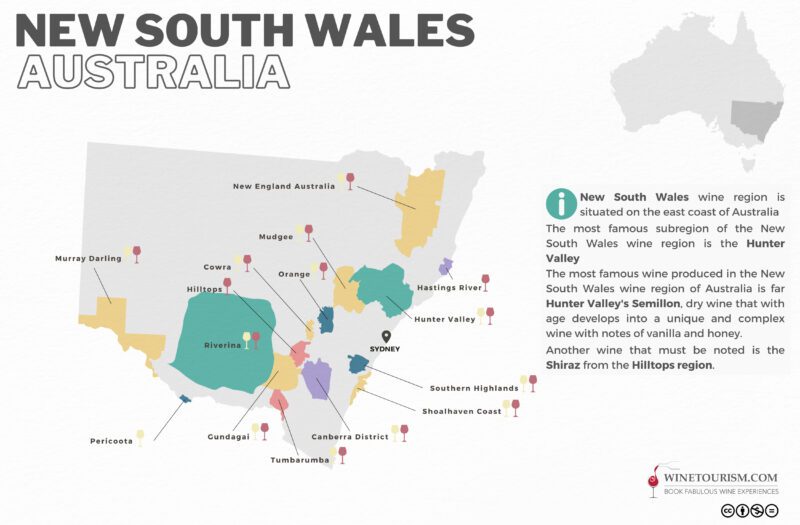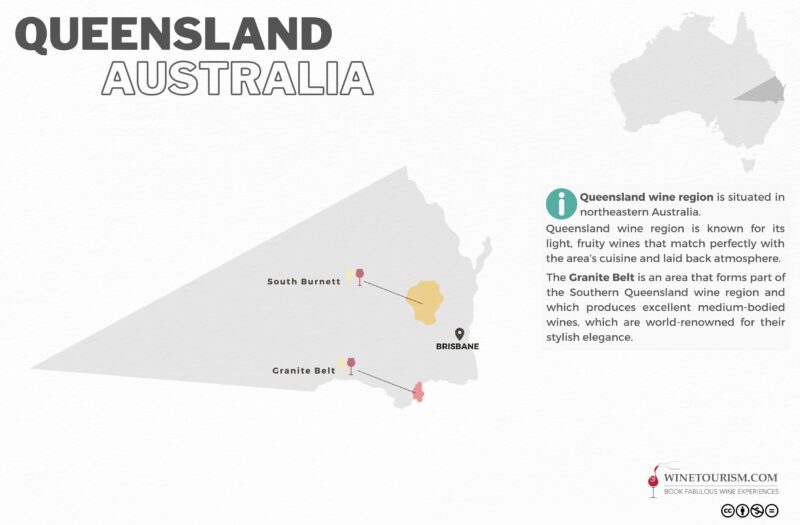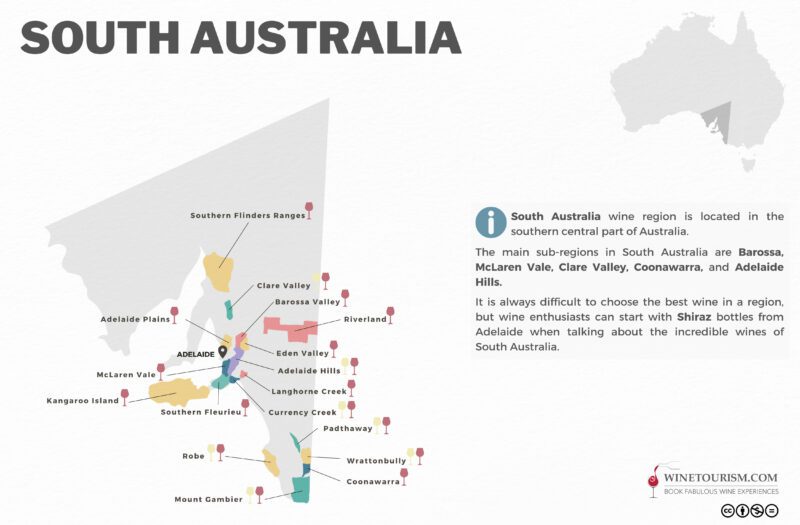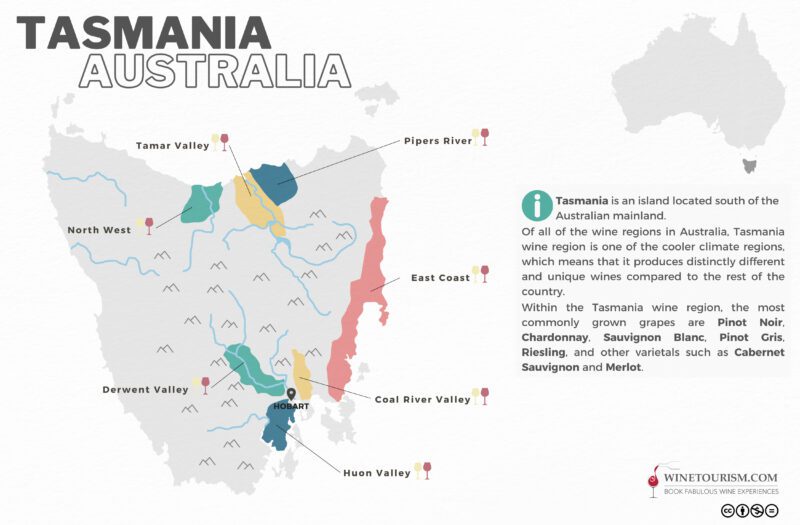
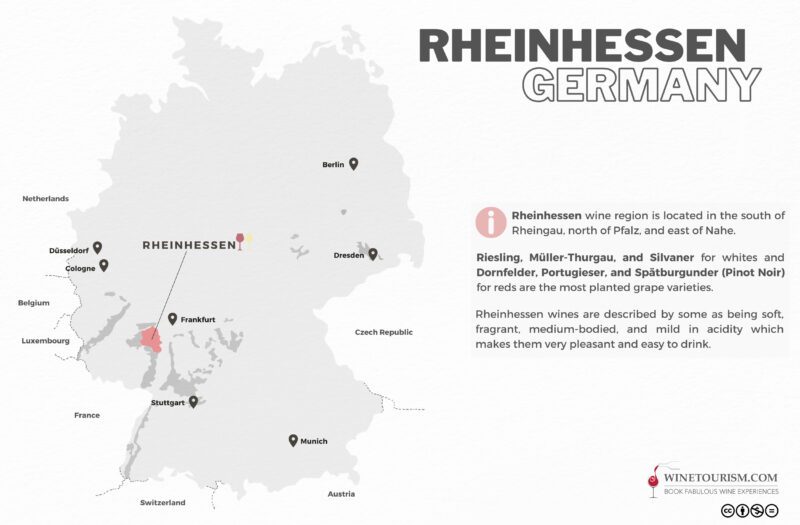
If you are looking for a free Rheinhessen wine region map, you can download the full-size version below. Rheinhessen is Germany’s largest wine region and one of its most important, known for Riesling, Silvaner, diverse vineyard landscapes, and a strong mix of tradition and modern winemaking.
Download the full-size Rheinhessen wine region map here
Key takeaways
- Rheinhessen is Germany’s largest wine region.
- The area is known for Riesling, Silvaner, and a wide range of other grape varieties.
- Rolling hills, fertile soils, and a mild climate shape the wines.
- The region combines historic wine culture with modern innovation.
- You can download a free high-resolution Rheinhessen wine map from the link above.
Table of contents
- Download the map
- Why Rheinhessen matters
- What the region is known for
- Terroir and climate
- Wine diversity and culture
- Why this map is useful
Download the map
This page gives you access to a free, detailed, high-resolution wine map of the Rheinhessen wine region in Germany. It is useful if you want a clearer overview of the area, are planning a wine trip, or simply want a better visual understanding of one of Germany’s most important wine regions.
Click here to open and download the full-size map
Why Rheinhessen matters
Rheinhessen matters because it sits at the center of German wine in terms of both size and relevance. It is the country’s largest wine region, but that alone is not what makes it important. Large regions can sometimes feel broad and vague. Rheinhessen stands out because it combines scale with real wine identity.
It is a region that helps explain modern German wine. There is deep history here, but there is also clear movement, experimentation, and quality ambition. That makes Rheinhessen useful not just as a place on a map, but as a region that tells a bigger story about how German wine has evolved. It is one of those areas that can appeal both to readers who know the classics and to readers who are just starting to explore German wine beyond the most famous names.
Rheinhessen also matters because it is not built around only one single image. Some wine regions are easy to summarize in one sentence. Rheinhessen is richer than that. It has historical depth, broad vineyard coverage, varied landscapes, and a reputation that keeps developing. That gives it lasting interest for anyone following wine geography or planning wine content around Germany.
What the region is known for
Rheinhessen is best known for being Germany’s largest wine region and for producing a broad range of wines across many styles. Riesling is one of the headline grapes, and for good reason. It remains a major part of the region’s reputation, especially for readers looking for classic German white wine references. Silvaner is another important name in the region and helps underline the area’s broader white wine identity.
The region is also known for its variety. That matters because Rheinhessen is not just a one-note destination. Instead of being defined by only one style, it offers diversity in grape varieties, vineyard settings, and wine expressions. That makes it especially attractive for readers who want to understand how one region can contain multiple stories within a single wine landscape.
Another thing Rheinhessen is known for is its mix of tradition and innovation. That balance is one of the strongest reasons the region continues to matter. It respects its historical foundations, but it is not trapped by them. There is a clear sense that the region has moved forward, and that helps make it more interesting than a simple historical postcard. For modern wine readers, that matters.
Terroir and climate
Rheinhessen’s terroir is one of the reasons the region stays so relevant. The landscape includes rolling hills, fertile vineyard sites, and a patchwork of soil types that help support a wide range of grape varieties and wine styles. Soils such as loess, limestone, and clay all contribute to the region’s complexity and help explain why the area can produce wines with different personalities rather than repeating the same profile everywhere.
The climate also plays a major role. Rheinhessen benefits from a relatively mild growing environment, and that gives winemakers room to work with both freshness and ripeness. The region is capable of delivering wines with character and balance, which is one of the reasons it can sustain both quality-focused production and broad appeal.
Geography matters here as well. Rheinhessen’s position along the Rhine River adds to its identity, and that river connection is part of what gives the region a stronger sense of place. When people think about German wine landscapes, river systems often matter both visually and viticulturally. Rheinhessen fits into that broader picture while still keeping its own distinct feel.
Wine diversity and culture
One of Rheinhessen’s strongest advantages is how much diversity it offers. The region is not limited to one vineyard style, one village, or one narrow idea of what German wine should look like. Instead, it opens out into a broad and varied wine culture that includes traditional estates, newer quality-minded producers, and a wide stylistic range. That makes it one of the more flexible wine regions to write about and explore.
The region’s cultural side also adds value. Charming villages, vineyard landscapes, historic sites, and modern wineries all help make Rheinhessen more than a production zone. It feels lived in. That matters for travel-focused pages, because readers are often not just looking for a bottle explanation. They are also looking for atmosphere, setting, and a reason to care about the place itself.
Rheinhessen’s appeal comes partly from this combination of accessibility and depth. It is large enough to contain real diversity, but clear enough to remain understandable. That balance helps make the region attractive both to casual readers and to people with a more serious wine interest. It can work as an introduction, but it also rewards deeper attention.
Why this map is useful
A Rheinhessen wine region map is useful because it turns a big and important region into something easier to read and remember. Many readers will know the name Rheinhessen, but fewer will have a clear visual sense of where it sits, how broad it is, or how it fits into Germany’s overall wine landscape. A map closes that gap fast.
It is especially useful because Rheinhessen is such a large region. With smaller wine regions, people can often build a rough mental picture more easily. With a large region, a visual reference becomes much more important. The map helps readers move from general awareness to actual understanding.
It is also practical for travel planning. If someone wants to explore Germany’s wine regions beyond the most instantly recognizable names, Rheinhessen deserves a serious look. A map makes that exploration more concrete, whether the reader is researching routes, comparing wine regions, or collecting resources for a future trip.
For wine students, writers, or enthusiasts, the map also works as a useful reference tool. Rheinhessen belongs in any broader set of German wine maps because of its size, significance, and stylistic range. It is one of the regions that helps make the bigger picture of Germany’s wine scene easier to understand.
See also our Wine Travel Ideas for Germany.
Wine map kindly provided by WineTourism.com.
Read next
Last updated: