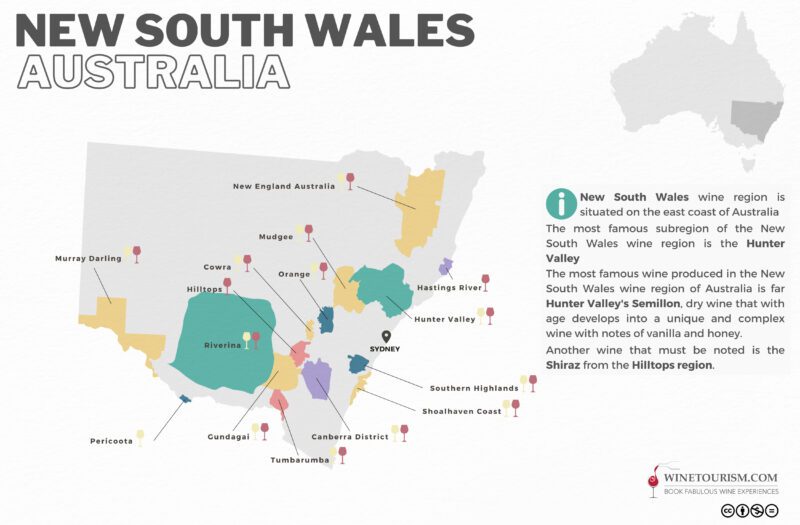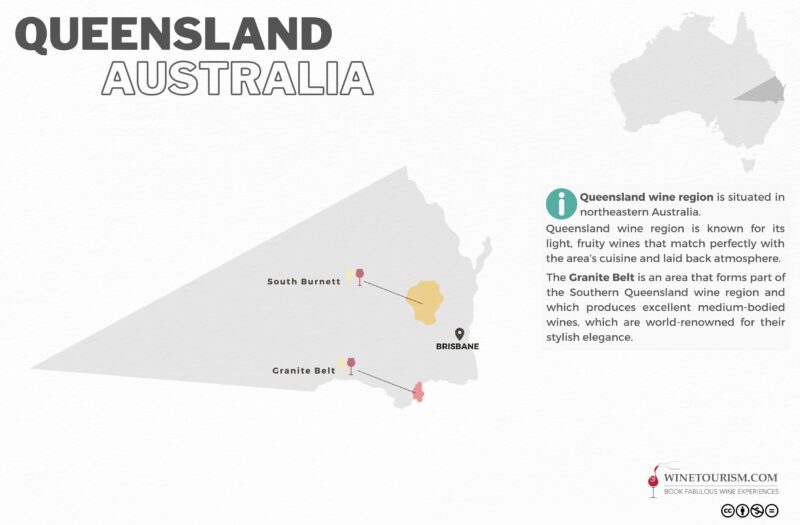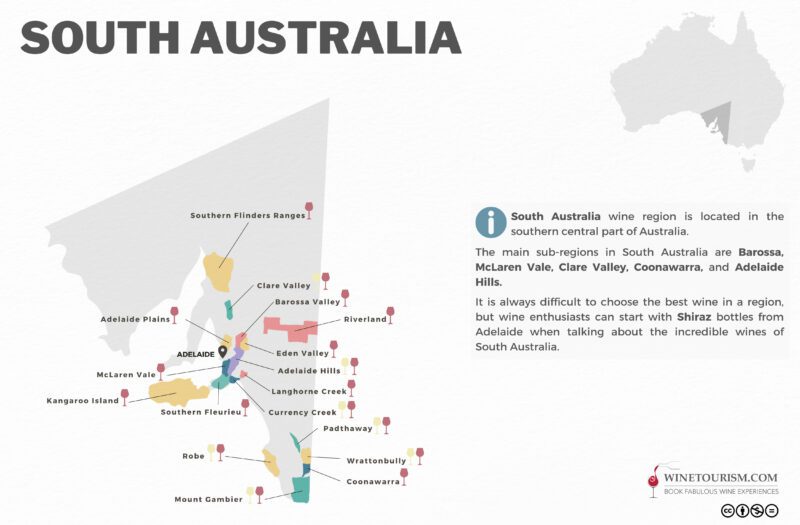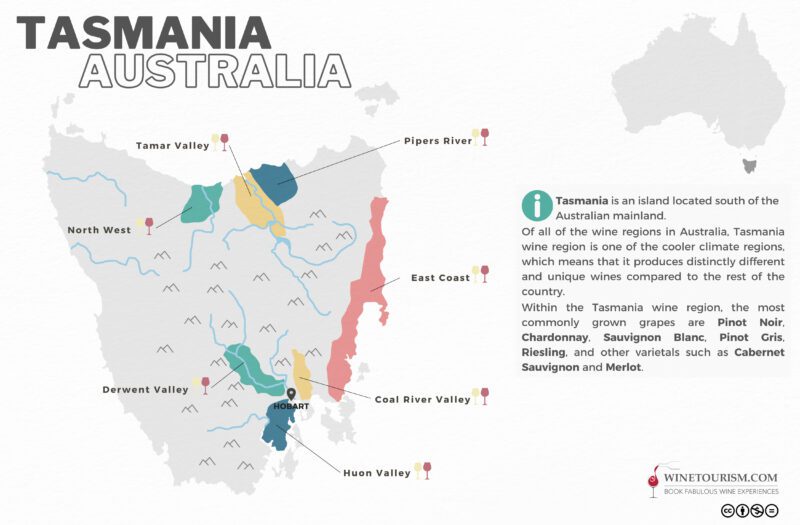
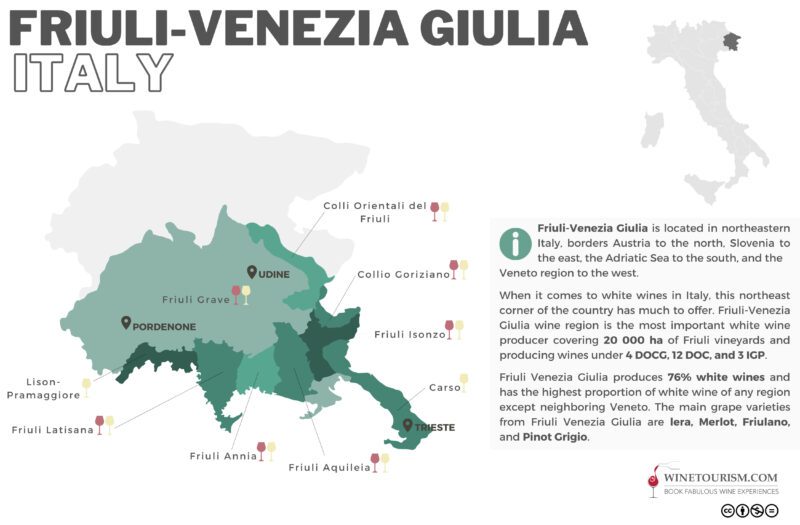
If you are looking for a free Friuli Venezia Giulia wine region map, you can download the full-size version below. Friuli Venezia Giulia is one of Italy’s most distinctive wine regions, known for crisp white wines, diverse terroirs, and a cultural identity shaped by its position between Italy, Austria, and Slovenia.
Download the full-size Friuli Venezia Giulia wine map here
Key takeaways
- Friuli Venezia Giulia is one of northeastern Italy’s most respected wine regions.
- The area is known for both white and red wines, with whites often taking the spotlight.
- Diverse terroirs, from coastal plains to foothills, help shape a wide range of wine styles.
- The region’s food and wine culture reflects strong Italian, Austrian, and Slovenian influence.
- You can download a free high-resolution Friuli Venezia Giulia wine map from the link above.
Table of contents
- Download the map
- Where Friuli Venezia Giulia is
- Why the region stands out
- Terroir and grape varieties
- Wine tourism and cultural identity
- Why this map is useful
Download the map
This page gives you access to a free, detailed, high-resolution wine map of the Friuli Venezia Giulia wine region in Italy. It is useful if you want a clearer overview of one of Italy’s most interesting and varied wine areas, whether for travel planning, wine study, or general interest.
Click here to open and download the full-size map
Where Friuli Venezia Giulia is
Friuli Venezia Giulia sits in northeastern Italy and shares borders with Austria and Slovenia. That position is one of the first things that makes the region stand out. It is not only Italian in the classic sense. It is also shaped by borderland influences that show up in its food, culture, and wine identity.
The Adriatic Sea also plays an important role. Coastal influence helps moderate temperatures and adds to the freshness many readers associate with the region’s wines, especially the whites. This balance between sea influence, inland hills, and cooler alpine elements gives Friuli Venezia Giulia a wider stylistic range than many casual wine drinkers first expect.
A map helps make all of this much easier to understand. The region’s name is familiar to wine enthusiasts, but the geography is not always as clear in people’s minds. Once you see where Friuli Venezia Giulia sits, the region’s mix of elegance, freshness, and cultural complexity starts to make much more sense.
Why the region stands out
Friuli Venezia Giulia stands out because it combines precision, freshness, and regional identity in a way that feels very distinctive. Many Italian regions are famous for bold reds or famous historic appellations. Friuli Venezia Giulia often gets attention for something a bit different: purity, aromatic detail, and a broad but very clear sense of place.
The region is especially respected for its white wines. That alone already sets it apart in a country where many international readers first think of Italy through red wine. Friuli Venezia Giulia helps widen that picture. It shows that some of Italy’s most compelling wines are white, mineral, crisp, and highly food-friendly.
It also stands out because the landscape is varied enough to support many styles. Coastal plains, rolling hills, and Alpine foothills all contribute to a more layered wine region than a short description can fully capture. That makes it especially good map content, because this is exactly the kind of place readers benefit from seeing rather than only reading about.
Terroir and grape varieties
One of the strongest features of Friuli Venezia Giulia is its diversity of terroirs. The region includes coastal areas, hill country, and higher inland sites, and each of these contributes something different to the wines. Some sites bring freshness and salinity, others bring more structure, aromatic lift, or fruit concentration.
That variation helps explain why Friuli Venezia Giulia can produce such a wide range of wines while still feeling coherent as a region. The wines often share a sense of clarity and balance, but the local expression can still shift noticeably depending on site and grape variety.
Among white grapes, Pinot Grigio remains one of the names most readers will recognise. In Friuli Venezia Giulia, it is often associated with freshness, citrus notes, and a more precise style than many mass-market examples found elsewhere. Sauvignon Blanc is another important white, often valued for aromatic intensity and lift.
On the red side, grapes such as Refosco and Merlot also play an important role. Refosco helps strengthen the local identity of the region, while Merlot reflects the broader historical openness of Friuli Venezia Giulia to outside influences. Together, they show that the region is not only about whites, even if white wine often leads the conversation.
Wine tourism and cultural identity
Friuli Venezia Giulia is a strong destination not only for wine enthusiasts, but also for travellers who want a richer cultural experience around the wine itself. This is one of those regions where the food, villages, and landscape naturally reinforce the wine story.
Visitors can explore vineyard estates, historic wineries, and quieter hill towns that feel very different from the more famous, high-traffic wine destinations in Italy. That gives the region a different kind of appeal. It feels less obvious and, for many travellers, more rewarding.
The culinary side matters too. Friuli Venezia Giulia’s location near Slovenia and Austria gives the local food culture a character that feels distinct from central or southern Italy. That regional food identity makes the wines even more interesting, because they feel deeply connected to local dishes and traditions rather than designed for a generic international palate.
For Corked News, that makes Friuli Venezia Giulia especially useful. It fits naturally into wine travel content, wine region education, and food-and-wine content all at once. It is the kind of place that can attract readers through several different entry points.
Why this map is useful
A Friuli Venezia Giulia wine region map is useful because the region is well known enough to attract serious interest, but still complex enough that many readers benefit from a visual overview. They may know the wines or the region’s reputation for quality, but not yet have a clear sense of how the area is laid out geographically.
This map helps solve that. It gives readers a practical way to connect the name to an actual wine landscape. That is useful for trip planning, wine study, and for placing Friuli Venezia Giulia within the larger map of Italian wine.
It is also especially helpful because the region’s identity depends so much on location. The mix of Adriatic influence, borderland culture, and varied terrain is easier to understand once you can picture where the region sits. That is exactly why a map page like this adds value.
For Corked News, this also supports strong internal linking across Italy wine travel pages, white wine region content, grape variety pages, and the wider wine maps hub. It is the kind of evergreen page that helps both readers and the broader site structure.
See also our Wine Travel Ideas for Italy.
Wine map kindly provided by WineTourism.com.
Read next
Last updated: