
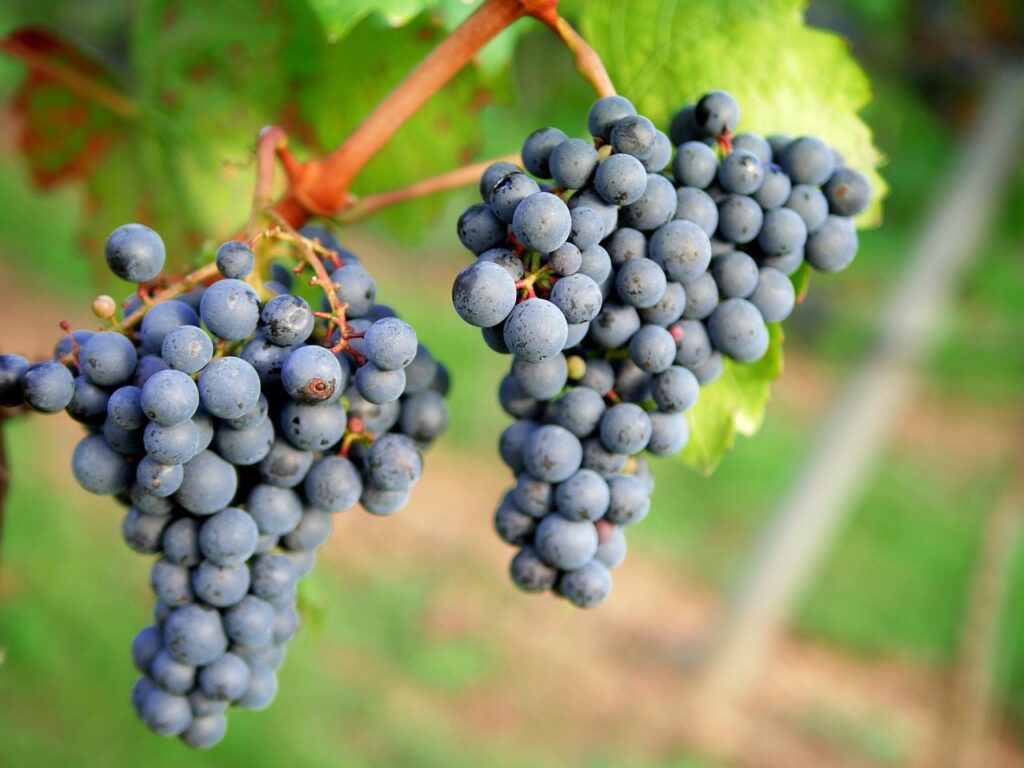
Carmenère is one of the wine world’s best comeback stories. Once an important Bordeaux grape, it nearly vanished after phylloxera and was largely forgotten in Europe. Then Chile discovered it had been growing Carmenère for years, often mistaking it for Merlot. That rediscovery changed the grape’s future and gave Chile a red wine identity that now feels unmistakably its own.
At its best, Carmenère offers something many red grapes do not. It combines dark fruit, spice, herbal lift, and a smooth texture in a way that feels generous without becoming heavy. A good bottle can show blackberry, plum, black cherry, black pepper, cocoa, tobacco, and that signature green note often described as bell pepper or fresh herbs. When balanced well, it is not a flaw. It is part of the grape’s character.
Today, Carmenère is closely associated with Chile, especially the country’s warmer inland valleys where the grape can ripen fully while still holding onto freshness. That combination has helped producers move beyond the old image of Carmenère as simply “the lost grape of Bordeaux” and turn it into a serious red wine with a clear identity of its own.
This guide takes a closer look at where Carmenère came from, how it ended up in Chile, what it tastes like, how terroir shapes it, which winemaking choices matter most, and why it deserves more attention from drinkers who enjoy rich yet balanced red wines.
Key takeaways
- Carmenère originated in Bordeaux but became closely identified with Chile after being rediscovered there in the 1990s.
- It is known for dark fruit, spice, herbal notes, smooth tannins, and a medium to full-bodied profile.
- Chile’s Mediterranean climate and diverse soils help Carmenère ripen more successfully than it often did in Bordeaux.
- Good Carmenère balances ripeness and freshness, avoiding both underripe green edges and overripe heaviness.
- It pairs especially well with grilled meats, roast vegetables, smoky dishes, and mildly spicy food.
Table of contents
- What is Carmenère?
- Origins and history
- Flavor profile and structure
- Terroir and growing conditions
- Why Chile became Carmenère’s home
- Winemaking techniques
- Food pairings
- Why Carmenère matters today
What is Carmenère?
Carmenère is a red wine grape variety that was historically part of Bordeaux’s wider family of grapes. For a long time it lived in the background, used in blends rather than treated like a star in its own right. That changed once it was rediscovered in Chile and given room to speak clearly on its own.
Today, Carmenère is usually described as a medium to full-bodied red grape with dark fruit, spice, and a recognisable herbal edge. It is smoother than many people expect, often with softer tannins than Cabernet Sauvignon and more plushness than Cabernet Franc, yet it still has enough structure to feel serious at the table.
Its profile makes it interesting because it sits between several familiar styles without feeling like a copy of any of them. It can offer the dark fruit of Merlot, some of the herbal freshness of Cabernet family grapes, and a spicy finish that gives it its own identity.
Origins and history
Carmenère’s roots are in Bordeaux, where it was once one of the traditional red varieties used in local blends. Before phylloxera devastated European vineyards in the 19th century, Carmenère had a place in the region, valued for the colour, character, and depth it could contribute to wines.
But Carmenère had a weakness. It was difficult to manage in the vineyard and not especially easy to ripen consistently in Bordeaux’s climate. When phylloxera hit and vineyards were replanted, growers generally turned toward varieties that were easier to handle and more dependable. Carmenère was largely left behind.
That could have been the end of the story, but it was not. Plant material had already made its way to Chile, where for years Carmenère was often mistaken for Merlot. The confusion was understandable because the vines looked similar enough that the mistake survived for a long time in the vineyard. It was only in the 1990s that the grape was correctly identified, and once it was, Chilean producers realised they were holding something unusual.
Chile did not just preserve Carmenère. It gave the grape a future. Isolated by natural barriers and free from many of the historical vineyard pressures that hit Europe, Chile offered the grape better conditions than Bordeaux had in its later years. That combination of rediscovery and suitable terroir allowed Carmenère to move from near-oblivion to renewed relevance.
If you enjoy grape stories shaped by migration and reinvention, you may also like our guides to Malbec and Zinfandel.
Flavor profile and structure
Carmenère is one of those grapes where balance matters a lot. When underripe, its green side can dominate too much. When overripe, it can become broad and heavy. When the fruit is picked at the right moment and handled carefully, the result can be excellent.
Dark fruit at the core
The center of Carmenère’s flavor profile is usually dark fruit. Blackberry, black cherry, and plum are common, and some bottles also show ripe blueberry or dark raspberry. These fruit notes give the wine generosity and immediate appeal. In warmer sites, that fruit can feel almost plush. In cooler zones, it can be fresher and more focused.
Good Carmenère does not stop at fruit, though. The best versions use that dark-fruited base as a starting point rather than the whole story.
The herbal signature
Carmenère is famous for its herbal edge. Green bell pepper is the note most often mentioned, but it can also lean toward fresh herbs, paprika, bay leaf, or something slightly leafy and savory. This comes from compounds found in the grape that also appear in related Bordeaux varieties.
This herbal character is often what divides opinion. In lesser wines it can feel raw or under-ripe. In better wines it gives lift, freshness, and a savoury contrast to the fruit. The difference is important. Balanced Carmenère feels distinctive. Unbalanced Carmenère can feel clumsy. That is why site choice and harvest timing matter so much.
Spice and smoke
Many Carmenère wines also carry spicy notes, especially black pepper, clove, cocoa, or a faint smoky character. Oak aging can add vanilla, toasted spice, and a more polished texture, but even without heavy oak influence the grape often has a naturally spicy finish that makes it engaging at the table.
Texture and tannin
Carmenère is generally medium to full-bodied, but what often stands out most is its texture. The tannins are usually softer and rounder than people expect from a dark-fruited red. That makes the wine accessible, often even fairly young, while still giving it enough structure to hold up to food.
This smoother texture is part of the reason Carmenère has become so popular with drinkers who want red wines that feel rich and flavorful without being hard-edged or aggressively tannic.
For other reds with strong regional personality, see our guides to Cabernet Sauvignon and Merlot.
Terroir and growing conditions
Carmenère responds strongly to climate and site. It needs enough warmth to ripen fully, but it also benefits from conditions that keep the fruit from tipping into flat heaviness. That is one reason Chile works so well for it.
Mediterranean climate influence
Many of Chile’s key wine regions have a Mediterranean climate, with warm dry summers and milder winters. For Carmenère, this is a major advantage. It allows the grape to achieve the ripeness that was often harder to secure in Bordeaux while still retaining freshness if nights are cool enough.
This matters because Carmenère ripens later than Merlot and needs that extra time. In a place where the fruit can hang safely and reach proper maturity, the herbal edge becomes more integrated, the fruit gets deeper, and the overall wine feels more complete.
Soils and drainage
Different Chilean soils shape Carmenère in different ways. Alluvial soils can help produce balanced, fruit-driven wines. Clay-rich soils can add body and depth. More mineral or stony soils can bring tension and precision. Good drainage is important because it helps control vigour and encourages concentration in the grapes.
The grape benefits when vines have to work a bit. Too much water and too much vigour can dilute the wine’s identity. Well-chosen sites allow Carmenère to keep both richness and shape.
Altitude and temperature swings
Altitude also plays a useful role, especially in areas where days are warm and nights cool down noticeably. Those day-night shifts help preserve acidity and aromatic freshness while still allowing full ripeness. This is often where the most convincing Carmenère comes from: places where ripe fruit and herbal freshness can coexist rather than fight each other.
Why Chile became Carmenère’s home
Chile did not just save Carmenère by accident. It turned out to be one of the best places in the world to grow it with confidence and purpose.
A better fit than Bordeaux
Bordeaux gave Carmenère its origins, but Chile gave it stability. In France, the grape struggled with disease pressure, ripening challenges, and inconsistent results. In Chile, it found more reliable warmth, long dry seasons, and less historical disruption from vineyard pests. That allowed growers to understand the grape more fully and work with it more intentionally.
Colchagua and beyond
Several Chilean regions now play important roles in Carmenère production, and Colchagua Valley is often among the most highly regarded. Here the grape can ripen properly while still holding onto enough structure to stay balanced. Other valleys also contribute, depending on climate and site specifics, and together they have shown that Carmenère is not a novelty but a real category within Chilean wine.
A national identity wine
Perhaps the biggest shift is cultural. Carmenère is no longer just the grape Chile happened to inherit. It has become one of the wines that helps define Chile internationally. That matters because not every major wine country has a grape so closely tied to its modern reputation. Chile does, and Carmenère is one of the clearest examples.
If you want more context on New World regional identity, our guide to New World wine is a useful next read.
Winemaking techniques
Carmenère rewards careful winemaking because its balance is fragile enough that poor decisions can show quickly. Producers need to manage herbaceousness, texture, and oak influence with some precision.
Harvest timing matters
This may be the single most important decision. Pick too early and the wine can feel sharply green. Pick too late and the wine can become heavy, sweetly fruited, and lose its shape. The best Carmenère usually comes from producers who give the grape enough time to mature but still preserve freshness and structure.
Fermentation and extraction
Once harvested, Carmenère is often fermented in stainless steel, where temperature control helps manage fruit purity and extraction. Gentle handling is important because the aim is usually to draw out colour, spice, and structure without making the wine harsh. Some producers use cold maceration before fermentation to capture more aromatic detail and a smoother profile.
Oak aging
Oak can work very well with Carmenère, but it needs to be handled with restraint. The grape already has dark fruit and spice, so too much oak can make the wine feel crowded. When used carefully, oak adds polish, a little tobacco or cocoa depth, and smoother texture. French oak is often chosen when the goal is nuance rather than overt sweetness.
Blending choices
Carmenère is often bottled as a varietal wine, but it can also be blended effectively. Cabernet Sauvignon can add structure, Merlot can soften the profile further, and other varieties may add freshness or depth depending on the producer’s aim. Still, when the grape is grown and handled well, it often works best when allowed to carry the wine’s identity clearly.
To learn more about cellar choices that shape red wines, see our article on how red wine is made.
Food pairings
Carmenère is a strong food wine because it offers fruit, spice, and softness at the same time. It is less austere than some structured reds and more savory than many easy fruit-driven bottles, which gives it a lot of flexibility.
Grilled meats and smoky dishes
The grape works especially well with grilled beef, lamb, sausages, and smoky barbecue flavors. The dark fruit and spice meet the char nicely, while the wine’s softer tannins keep the pairing comfortable rather than aggressive.
Roasted vegetables and herbs
The herbal side of Carmenère also makes it a good match for roasted peppers, aubergine, mushrooms, and dishes with rosemary, thyme, or paprika. This is a useful advantage because many red wines are easier with meat than vegetables. Carmenère often handles both.
Mildly spicy food
Because Carmenère carries its own spice and usually does not have fiercely drying tannins, it can also work with mildly spicy food. Chilean, Mexican, and some Mediterranean dishes can be very good partners, especially when smoke, herbs, and warmth are part of the plate.
For more pairing inspiration, take a look at our guides to spicy food and wine pairing and red wine food pairing.
Can Carmenère age well?
Yes, though the answer depends on style and quality. Not every Carmenère is built for long cellaring, but the better examples can develop nicely over several years. With age, the fruit becomes less primary, the herbal tones can integrate more deeply, and the wine may pick up tobacco, leather, earthy spice, and a more rounded texture.
It is not usually discussed in the same long-aging category as top Nebbiolo or Cabernet Sauvignon, but it should not be dismissed as a drink-immediately grape either. Serious Carmenère can reward patience, especially when it comes from strong sites and is made with balance in mind.
Why Carmenère matters today
Carmenère matters because it shows that wine history is not fixed. A grape can nearly disappear, reappear in the wrong name, and still come back as a defining symbol of a different country. That is rare.
It also matters because it gives Chile something more distinctive than simply producing good international varieties. Plenty of places make Cabernet Sauvignon or Merlot. Far fewer have a real claim to Carmenère as part of their modern identity. Chile does, and it has earned that claim through decades of vineyard work, quality improvements, and growing confidence in the grape.
For drinkers, Carmenère offers a style that fills a useful gap. It is richer than many medium-bodied reds, softer than many structured ones, and more savory than straightforward fruit bombs. When it is done well, it feels complete. That is why more people keep coming back to it.
If you like reds that combine dark fruit, spice, herbal lift, and a smooth finish, Carmenère is one of the most rewarding grapes to explore.
Read next
- Overview of the Grape Varieties of the World
- Malbec Red Wine Grape: From French Roots to Global Icon
- Cabernet Sauvignon Red Wine Grape: The King of Red Wines
Last updated:
