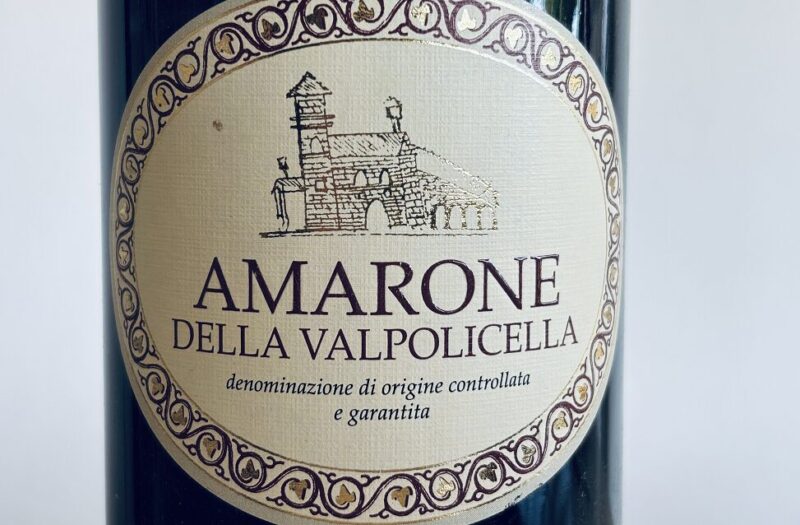
Wine calories mostly come down to two things: alcohol and sugar. That is the simple version, and it is the one that matters most. The higher the alcohol, the more calories the wine usually has. The sweeter the wine, the more calories it usually adds on top. So when people ask how many calories are in wine, the honest answer is not one fixed number. It depends on the style, the serving size, and how the wine was made.
That said, most regular table wines fall into a fairly predictable range. A normal glass is not calorie-free, but it is also not automatically extreme unless the pour is large, the alcohol is high, or the wine is notably sweet. Once you understand that, wine becomes much easier to fit into a balanced lifestyle without turning every glass into a math problem.
Key takeaways
- Wine calories mainly come from alcohol first and residual sugar second.
- Drier wines usually have fewer calories than sweeter wines, though alcohol level matters a lot too.
- A bigger pour can matter as much as the wine style.
- Fortified and sweet wines are usually more calorie-dense than dry table wines.
- If you want to keep calories lower, dry wines and smaller pours are usually the simplest answer.
Table of contents
- The short answer on wine calories
- What creates calories in wine?
- Calories in red wine
- Calories in white wine
- Calories in rosé wine
- Calories in sparkling wine and Champagne
- Calories in sweet and fortified wines
- Why two similar wines can have different calorie counts
- How to choose lighter wine options
- How to enjoy wine without overthinking it
The short answer on wine calories
A regular glass of wine is often somewhere around 120 to 160 calories, but that range matters more than one single number. A lighter, dry white can sit below a fuller, higher-alcohol red. A dry sparkling wine can be lighter than a sweet white. A generous restaurant pour can quietly add far more than people expect.
That is why “a glass of wine has 150 calories” is not exactly wrong, but it is not the full story either. It is a rough midpoint, not a rule. If you pour more than a standard serving, choose wines with higher alcohol, or regularly drink sweeter styles, your calorie intake climbs quite quickly.
What creates calories in wine?
The main source is alcohol. Alcohol is energy-dense, which is why stronger wines usually contain more calories. The second factor is residual sugar, which is the sugar left in the wine after fermentation. Dry wines have very little of it. Sweet wines have much more.
This matters because many people assume sweetness is always the biggest factor. Sometimes it is, especially in dessert wines, but with many table wines alcohol is still doing most of the work from a calorie point of view. A dry wine at 14.5% ABV can easily contain more calories than a lower-alcohol wine that tastes fruitier.
Serving size matters too. That sounds obvious, but it is where many estimates go wrong. A modest pour at home and a large restaurant pour are not the same thing, even if both get called “a glass.”
Calories in red wine
Red wine usually sits in the moderate-to-higher end of table wine calories because many reds carry a little more alcohol than lighter whites or sparkling wines. A typical dry red often lands around the middle of the normal wine range, but richer reds can push higher quite easily.
Wines like Cabernet Sauvignon, Syrah, Zinfandel, and some fuller-bodied blends often come with more alcohol, and that usually means more calories per glass. Pinot Noir is often a little lighter in body, but the actual calorie count still depends heavily on where it is from and how ripe the wine is stylistically.
This is why one red wine is not the same as another from a calorie standpoint. A cooler-climate red with restrained alcohol can be quite different from a warmer-climate bottle that pushes closer to a bigger, more powerful style.
If you want to understand how style and structure shape red wine more broadly, see our guide to red wine production.
Calories in white wine
White wine is often assumed to be the lighter option, and sometimes it is, but not automatically. Crisp, dry whites can be among the lighter common choices, especially when alcohol stays moderate and sugar is low. But richer whites can climb quickly, particularly when they are fuller-bodied or made in a riper style.
That is why a lean Sauvignon Blanc or Pinot Grigio will often feel lighter than a richer Chardonnay, but you should not treat “white wine” as a single calorie category. Chardonnay can range from fresh and relatively restrained to broad, ripe, and higher in alcohol. Riesling can range from bone-dry to clearly sweet. That creates a much wider spread than many people expect.
The safest general rule is this: dry, lighter-bodied whites tend to be the lower-calorie end of normal wine drinking, while richer or sweeter whites tend to move upward.
For the production side, our article on white wine production helps explain why those differences happen.
Calories in rosé wine
Rosé usually sits somewhere between many whites and lighter reds, both stylistically and in calorie terms. Most dry rosés are not especially heavy, and they often feel like one of the easier choices if you want something refreshing without moving into sweet wine territory.
Still, rosé varies more than people think. Pale, crisp Provençal-style rosés can feel very light and clean, while deeper-colored or fruitier rosés may carry a little more body, more alcohol, or a touch more sweetness. Again, it depends on the bottle rather than the color alone.
Rosé is often one of the better options for people who want a wine that feels easygoing and food-friendly without drifting into the richer end of the calorie spectrum.
If rosé is your thing, our guide to rosé wine production is a good next read.
Calories in sparkling wine and Champagne
Sparkling wine is often a little lighter per serving, partly because the standard serving is usually smaller and partly because drier styles can be quite restrained in sugar. Brut styles are usually the safest bet if you want the lower-calorie end of sparkling wine.
That said, not all sparkling wine is equally light. Extra dry, demi-sec, and sweeter sparkling styles can climb upward because the dosage and residual sugar are higher. The bubbles can make sparkling wine feel brisk and light on the palate, but that sensation is not always the same thing as fewer calories.
Still, if you stick to drier styles and normal pours, sparkling wine is often one of the easier categories to keep relatively moderate.
For more on how sparkling wine gets its style, see our guide to sparkling wine production.
Calories in sweet and fortified wines
This is where calories rise quickly. Sweet wines contain more residual sugar, and fortified wines usually combine higher alcohol with sweetness. That makes them much more calorie-dense than ordinary dry table wines.
Port, sweet Sherry styles, Madeira, Sauternes, late-harvest wines, and similar bottles can be delicious, but they are rarely the lighter option. The pours are often smaller, which helps somewhat, but the density is still much higher than with a dry red, white, or rosé.
This does not mean you should avoid them. It just means they belong in a different category mentally. They are more like concentrated wine experiences than casual pour-and-forget choices.
Why two similar wines can have different calorie counts
There are several reasons. Alcohol level is the biggest one. A wine at 11.5% ABV and one at 14.5% ABV are not the same from a calorie standpoint, even if both are labeled as the same broad type. Residual sugar is another major factor, especially in aromatic whites, dessert wines, and off-dry styles.
Climate also plays a role because warmer regions often produce riper grapes, which can lead to higher alcohol or a fuller style. Production choices matter too. Fortification, sweetening, and stylistic decisions in the cellar all influence the final result.
This is one reason calorie estimates are always best treated as ranges rather than exact promises unless a producer explicitly provides the information.
How to choose lighter wine options
If keeping calories lower matters to you, the simplest route is not to obsess over every bottle. It is to look for patterns that usually help.
- Choose dry wines more often than sweet wines.
- Pay attention to alcohol level when it is listed.
- Use normal pours instead of oversized glasses.
- Treat fortified and dessert wines as occasional rather than everyday pours.
- Consider brut sparkling wine, crisp dry whites, and leaner rosés as easier choices.
One useful trick is simply using a smaller glass or pouring a measured glass at home once or twice, just to recalibrate your eye. Many people are not drinking one standard glass. They are drinking one and a half without realizing it.
How to enjoy wine without overthinking it
Wine fits into a balanced lifestyle much more easily when you focus on habits instead of chasing one perfect low-calorie bottle. A sensible pour with dinner a few times a week is very different from large pours, repeated top-ups, or sweet wine being treated like a light drink.
That is where moderation and awareness do most of the work. Not fear, and not guilt. If you like wine, it makes more sense to understand what drives the calorie count and make small adjustments where needed than to pretend every glass is either harmless or disastrous.
Dry wines, smaller pours, and a bit of honesty about serving size usually solve most of the issue.
So, how many calories are in wine?
The most accurate answer is that wine calories vary, but alcohol and sugar explain almost all of it. Most standard glasses of table wine fall into a moderate range, while sweet and fortified wines usually sit higher. The main things to watch are alcohol strength, sweetness, and how much you are actually pouring.
Once you know that, wine becomes much easier to enjoy sensibly. You do not need to reduce it to one number. You just need to understand the pattern.
Read next
Last updated: