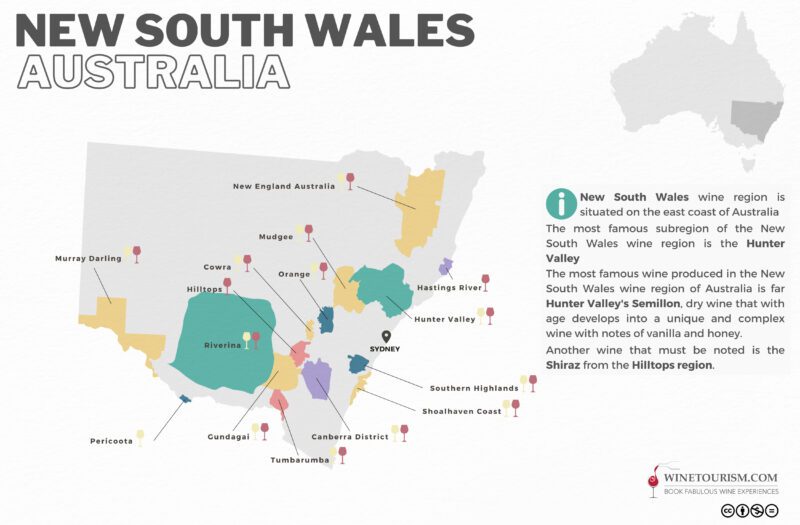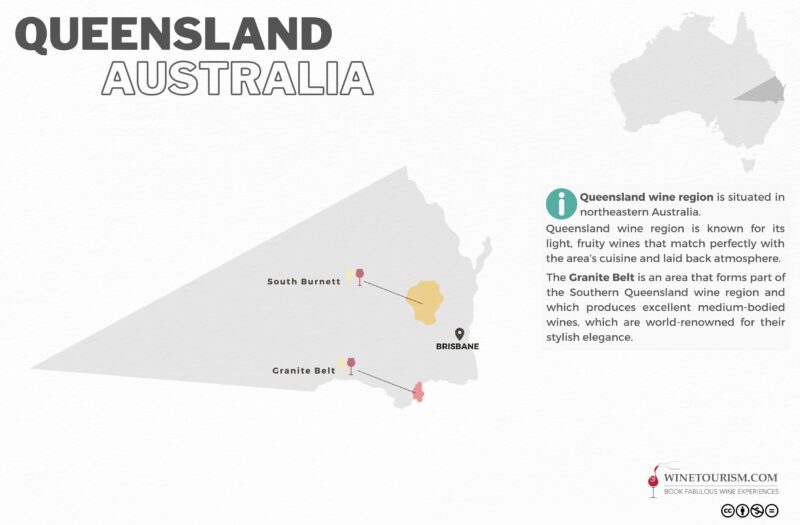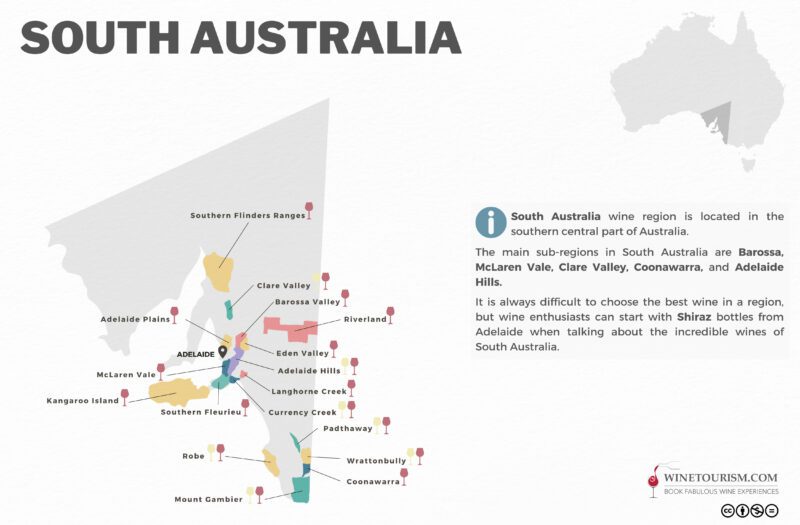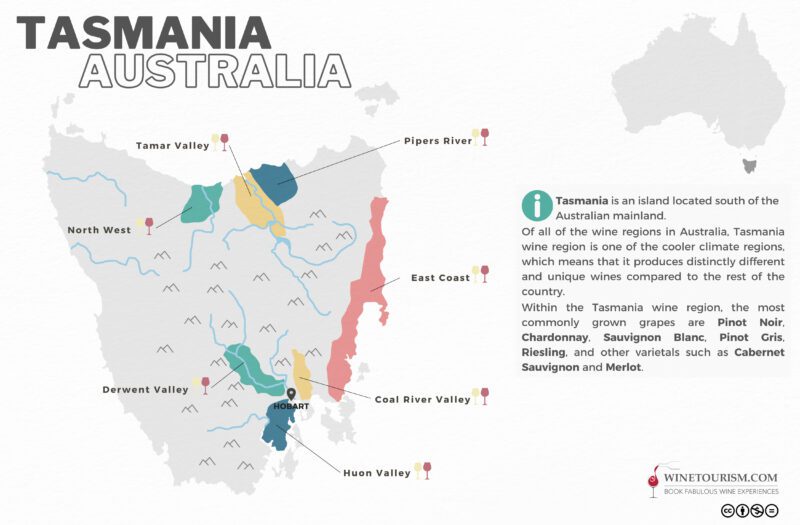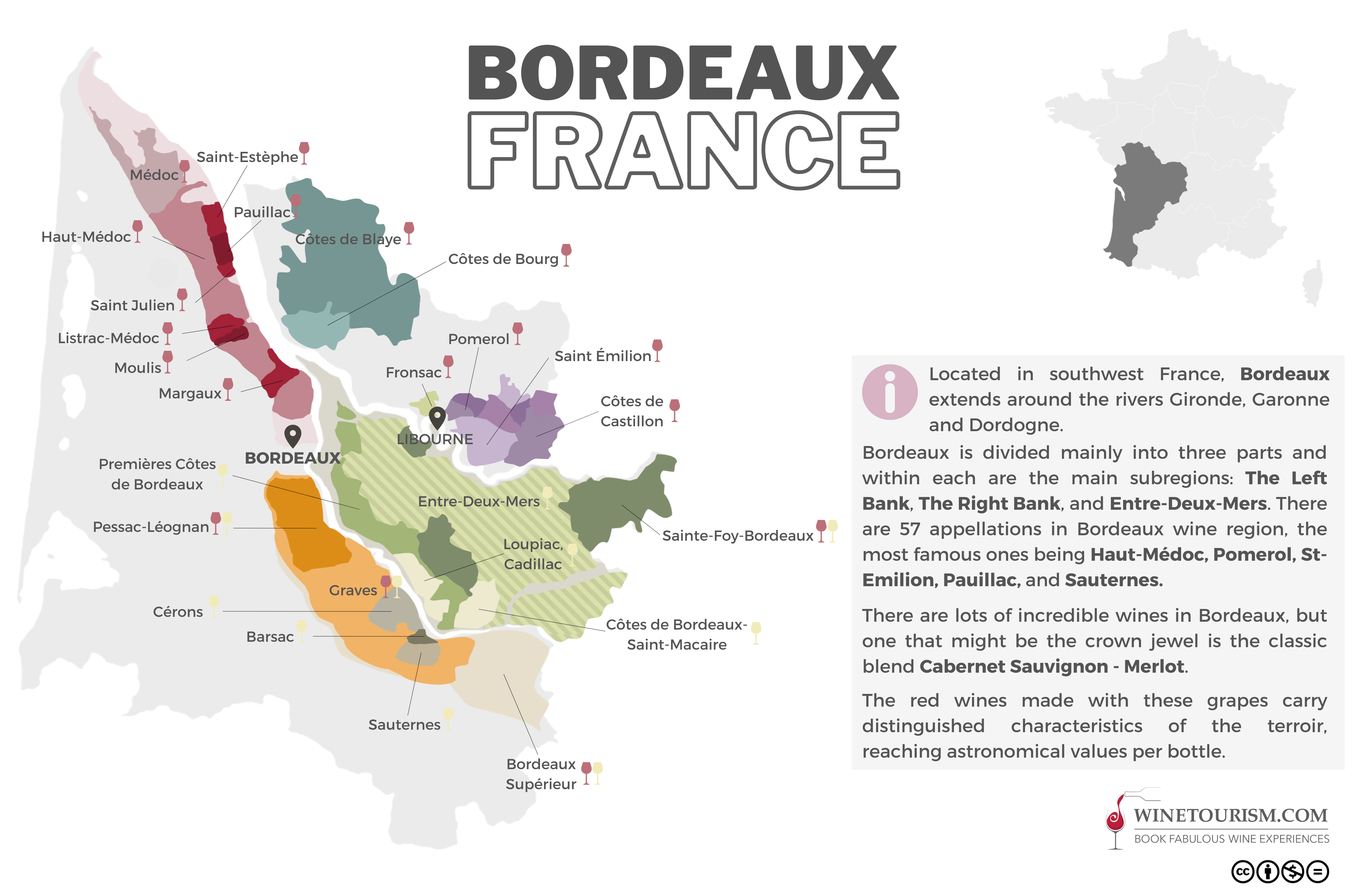

If you are looking for a free Médoc wine region map, you can download the full-size version below. Médoc is one of Bordeaux’s most prestigious wine regions, known for famous châteaux, Cabernet-led red blends, and a reputation that reaches far beyond France.
Download the full-size Médoc wine region map here
Key takeaways
- Médoc is one of the most prestigious red wine regions in Bordeaux.
- The area is especially associated with Cabernet Sauvignon, Merlot, and Cabernet Franc.
- Its gravelly soils and maritime climate help shape the region’s wine identity.
- Médoc is renowned for famous châteaux and globally respected red wines.
- You can download a free high-resolution Médoc wine map from the link above.
Table of contents
- Download the map
- Where Médoc is
- Why Médoc matters
- What the region is known for
- Soils, climate, and style
- Châteaux, prestige, and identity
- Why this map is useful
Download the map
This page gives you access to a free, detailed, high-resolution wine map of the Médoc wine region in France. It is useful if you want a clearer overview of one of Bordeaux’s most important red wine areas, whether for wine study, travel planning, or general interest.
Click here to open and download the full-size map
Where Médoc is
Médoc is located in Bordeaux, between the Gironde River and the Atlantic Ocean. That position is a big part of why the region matters so much. It places Médoc in one of the best-known fine wine landscapes in the world, while also giving it a very specific identity within Bordeaux itself.
For many readers, Médoc is one of the first sub-regional Bordeaux names they come across after learning the basics. That makes a map especially helpful. It turns a famous name into a real place and helps readers understand how Médoc fits into the wider Bordeaux picture.
The geography also matters because Médoc is not just defined by one town or one vineyard. It is a broad and historically important area with strong internal identity, long-established estates, and a landscape built around wine.
Why Médoc matters
Médoc matters because it is one of the clearest reference points for classic Bordeaux red wine. If readers think of Bordeaux as a place of structured, age-worthy, prestigious reds, Médoc is often one of the regions behind that idea.
The region has a reputation for excellence that has been built over a long time. It is associated with some of the most famous estates in the world and with a style of wine that continues to shape how people define fine red Bordeaux. That gives Médoc an importance that goes beyond simple popularity.
It also matters because it connects prestige with place. Médoc is not just famous for luxury branding or historic labels. It is famous because the region’s climate, soils, and grape choices have produced wines that became benchmarks for quality. A map helps readers start to understand why that happened.
What the region is known for
Médoc is renowned for exceptional red wines celebrated worldwide. That is the region’s core identity. Readers looking for Médoc are usually interested in one of three things: Bordeaux prestige, famous châteaux, or the structure and style of classic left-bank red wine.
The area is especially associated with Cabernet Sauvignon, Merlot, and Cabernet Franc. In practice, Cabernet Sauvignon usually carries the strongest link to Médoc’s reputation, because it plays such a major role in the region’s most recognised wines. It helps create wines known for structure, aging potential, and seriousness.
Médoc is also known for its long-established château culture. That matters because the region’s wine identity is tied not only to grape and terroir, but also to estates, classification, and historical reputation. For many readers, Médoc is where Bordeaux starts to feel truly iconic.
Soils, climate, and style
The gravelly soils of Médoc are one of the region’s defining features. These soils are especially important because they drain well and help vines avoid excess water retention. That encourages the kind of vine balance that supports concentration and structure in the grapes.
Gravel also helps retain and reflect warmth, which supports ripening in a climate that depends on consistency rather than extreme heat. That matters particularly for Cabernet Sauvignon, which benefits from conditions that allow it to ripen fully without losing its more classic structure.
The maritime climate also plays a major role. Médoc’s position between the Gironde and the Atlantic helps moderate temperatures and contributes to the broader balance of the wines. Together, the soils and climate create the conditions for reds that are often described as structured, age-worthy, and classically Bordeaux in style.
This is one of the reasons the region has such a strong educational value. Médoc makes it easier for readers to understand how soil, climate, and grape variety combine to shape wine identity in a very direct way.
Châteaux, prestige, and identity
Médoc is closely tied to the idea of the Bordeaux château. That alone gives the region enormous symbolic weight. Even readers who are not deep into wine often associate Bordeaux with château names, long histories, and high-status red wines, and Médoc is one of the places where that image is strongest.
The region’s prestige is also unusually durable. It is not just historically important. It remains active in the way people discuss fine wine today. Médoc still shapes how readers, collectors, and wine professionals think about red Bordeaux, especially when the topic is long-lived and structured Cabernet-based wine.
This gives Médoc a very strong identity in map content. Readers are not only looking for geography here. They are also looking for orientation within a prestige landscape. They want to know where the famous name sits and why it carries so much importance.
Why this map is useful
A Médoc wine region map is useful because the name is famous, but the geography is often less clear than the reputation. Many readers know Médoc as a prestige region, but fewer can place it precisely or explain why its physical setting matters so much to the wines.
This map helps solve that. It gives readers a visual overview they can use for wine study, Bordeaux comparisons, or planning a trip through the region. That is especially valuable in Bordeaux, where local geography often explains major differences in wine style and reputation.
The map is also useful because Médoc has strong travel appeal. Between vineyard landscapes, château culture, and the wider draw of Bordeaux, it is one of the French wine areas that works especially well for both wine education and practical tourism content.
For Corked News, this page also supports strong internal linking across Bordeaux content, Cabernet Sauvignon content, France travel pages, and the wider wine maps hub. It is the kind of evergreen resource that fits naturally into both user intent and long-term site structure.
See also our Wine Travel Ideas for France.
Wine map kindly provided by WineTourism.com.
Read next
Last updated: