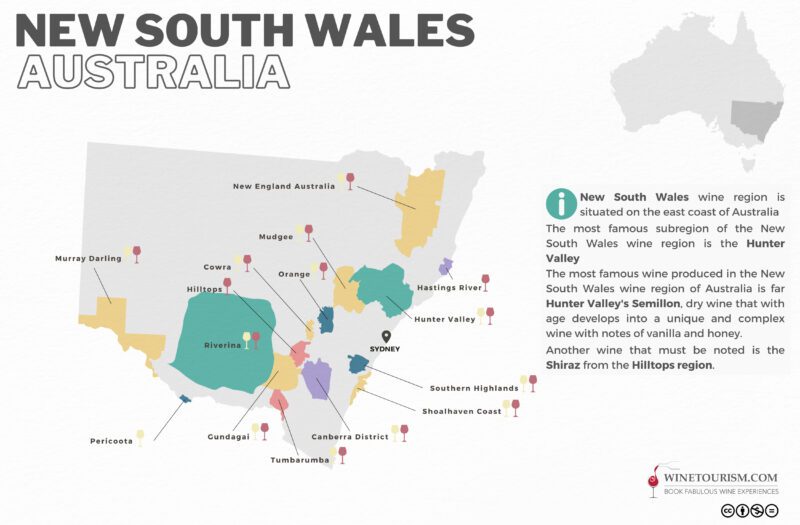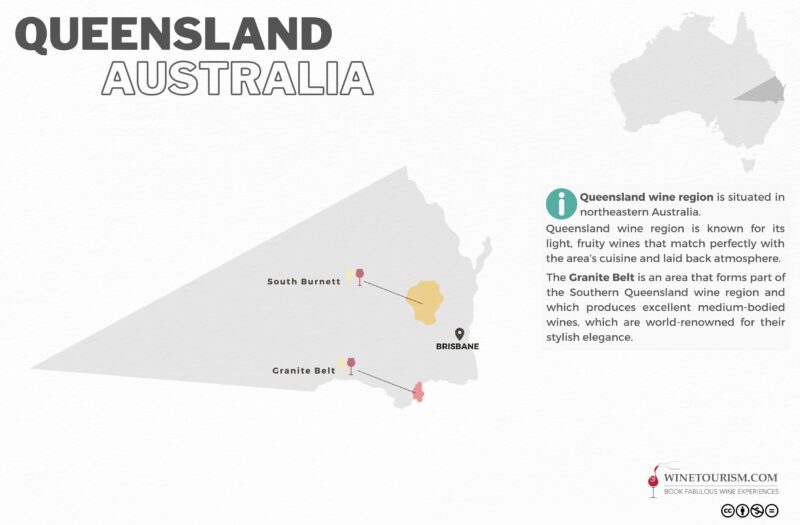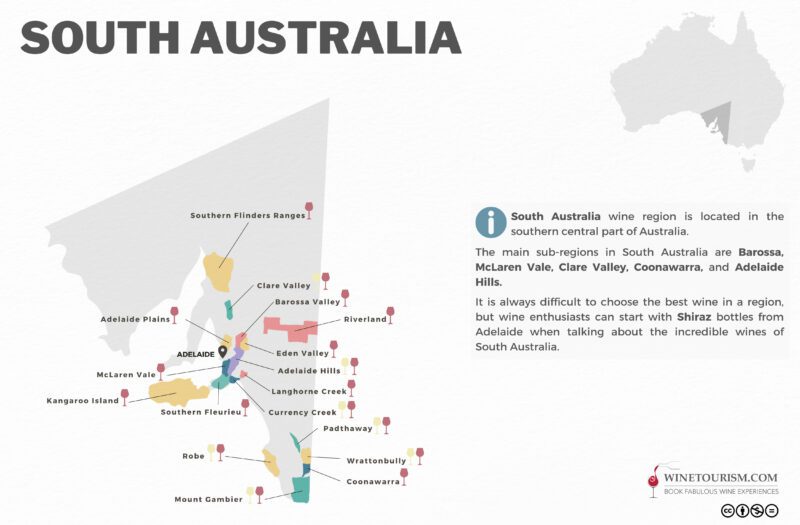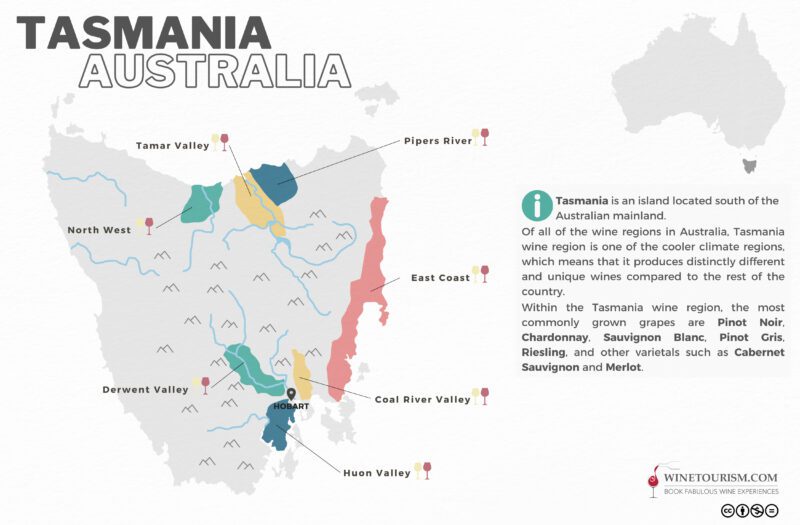
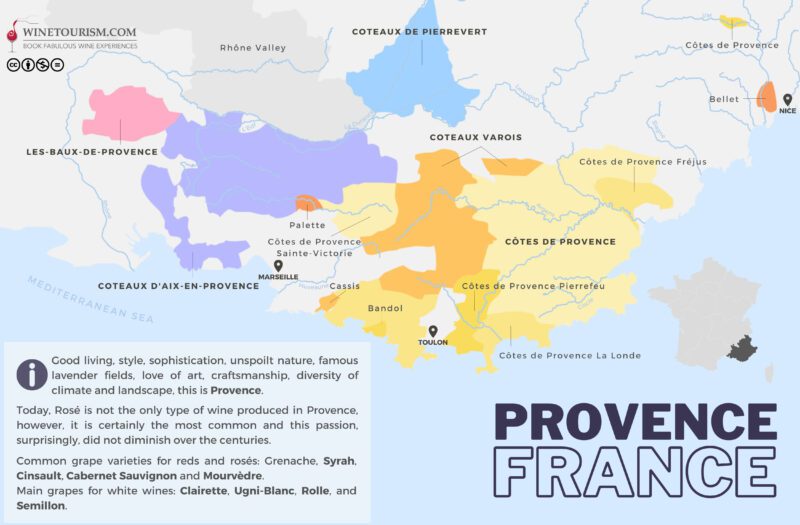
If you are looking for a free Provence wine region map, you can download the full-size version below. Provence is one of France’s most recognisable wine regions, best known for elegant rosé, Mediterranean vineyard landscapes, and a wine identity that feels instantly tied to sunshine, coast, and summer drinking.
Download the full-size Provence wine region map here
Key takeaways
- Provence is one of France’s best-known wine regions.
- The region is especially famous for rosé wine.
- Grenache, Syrah, and Cinsault are central to its rosé identity.
- Mediterranean climate and scenery play a major role in the region’s appeal.
- You can download a free high-resolution Provence wine map from the link above.
Table of contents
- Download the map
- Where Provence is
- Why Provence matters
- What the region is known for
- Grapes, climate, and style
- Travel, landscape, and regional identity
- Why this map is useful
Download the map
This page gives you access to a free, detailed, high-resolution wine map of the Provence wine region in France. It is useful if you want a clearer overview of one of the country’s most famous wine areas, whether for travel planning, wine study, or general interest.
Click here to open and download the full-size map
Where Provence is
Provence is located in southeastern France and is one of the country’s most visually recognisable wine regions. The area is closely associated with Mediterranean light, coastal influence, and vineyard landscapes that feel as much like a travel destination as a wine region.
That location matters because Provence is not just a wine name. It carries a very specific lifestyle image. Readers often come to the region already expecting sun, scenery, and relaxed elegance, and Provence usually delivers exactly that. A map helps turn that broad impression into something more concrete and useful.
Because Provence is so strongly tied to a visual identity, it works especially well as a map-based content page. Readers are often looking not only to download the image, but also to place the region more clearly within France and understand what makes it so famous.
Why Provence matters
Provence matters because it has become one of the strongest global reference points for rosé wine. There are many regions that produce rosé, but Provence is one of the places most closely associated with the style itself. For many readers, it is the default image of what premium rosé looks and feels like.
That reputation gives Provence a very clear identity. Some French wine regions are admired for internal complexity or for multiple famous styles. Provence is more direct. It has built a powerful global image around rosé, and that gives it unusual clarity in both wine education and search behaviour.
It also matters because Provence sits at the intersection of wine and travel in a particularly strong way. The region appeals not just to people who care deeply about viticulture, but also to readers interested in scenic destinations, summer travel, and lifestyle-driven wine culture. That broad appeal makes Provence especially valuable for Corked News.
What the region is known for
Provence is renowned above all for its rosé wines. That is the headline most readers already know, and it remains the clearest way to understand the region’s place in the wine world. Provence rosé has become a category with real standalone power, and that shapes almost every conversation about the region.
The wines are often associated with a light, crisp, and fruity profile. That style fits the region’s climate and image perfectly. Provence wines are commonly seen as fresh, easy to enjoy, and closely tied to warm weather, terraces, coastal meals, and Mediterranean food.
At the same time, Provence is not just a marketing image. Its rosé identity rests on a long winemaking heritage and a real regional structure. The region’s fame is reinforced by both history and consistency, which is why Provence remains a serious wine name as well as a popular one.
Grapes, climate, and style
Grenache, Syrah, and Cinsault are among the grapes most closely associated with Provence rosé. Together, they help define the region’s wine style and explain why Provence has become such a strong reference point for pale, refreshing, Mediterranean rosé.
Grenache often brings fruit and roundness, Syrah can add structure and spice, and Cinsault helps reinforce the lighter, fresher side of the blend. That combination gives Provence rosé its recognisable balance of delicacy and flavour.
The Mediterranean climate is just as important. Provence is bathed in sunshine, and that warmth helps grapes ripen fully while still supporting the bright, easy style most readers expect from the region. The climate is not just a background detail. It is central to the region’s wine identity.
This is one of the reasons Provence works so well in wine education. Readers can quickly understand how climate, grape selection, and regional image all line up in a coherent way. The result is a style that feels natural to the place rather than artificially built around branding alone.
Travel, landscape, and regional identity
Provence is one of the strongest examples in France of a region where travel appeal and wine identity reinforce each other. The scenic landscapes are not separate from the wine story. They are part of why the region has become so recognisable in the first place.
Picturesque vineyards, warm light, and Mediterranean surroundings help create a sense of place that readers immediately connect with. Provence does not feel abstract. It feels visual. That makes it ideal for content built around downloadable maps and regional overviews.
The area’s wine tourism appeal is also unusually broad. Provence can attract serious wine enthusiasts, but it also appeals to casual travellers looking for beauty, food, and relaxed drinking culture. That wider audience makes the region especially useful for Corked News because it connects wine content with aspirational travel content very naturally.
Why this map is useful
A Provence wine region map is useful because the name is famous, but many readers still want a clearer sense of where the vineyards sit and how the region fits into France’s wider wine geography. Provence is so well known as a style word that the actual regional map can easily become secondary.
This page helps correct that. It gives readers a practical visual resource they can use for trip planning, wine learning, or simply getting better oriented. That is especially useful in a region where travel and place are such a big part of the appeal.
The map is also useful because Provence often acts as a gateway region. Readers who start with Provence rosé may later want to understand more about French wine regions in general. A dedicated map page supports that next step and helps connect casual interest with deeper exploration.
For Corked News, this page also supports strong internal linking across France wine travel content, rosé content, regional map pages, and broader lifestyle-driven wine articles. It is the kind of evergreen page that serves both direct user intent and long-term content structure.
See also our Wine Travel Ideas for France.
Wine map kindly provided by WineTourism.com.
Read next
Last updated: