New World wine refers to wines made outside Europe’s traditional historic wine heartlands, especially in places such as the United States, Argentina, Chile, Australia, New Zealand, and South Africa. That sounds simple enough, but the phrase means more than geography. For many wine drinkers, New World wine also signals a certain style: fruit-forward, expressive, modern in presentation, and often more direct in how it communicates grape variety and flavor.
That does not mean all New World wines taste the same, and it definitely does not mean Old World wines are old-fashioned relics. The distinction is useful, but only up to a point. Today, the best New World producers can make wines with finesse, structure, and terroir detail that rival the most respected European regions. At the same time, many still embrace the innovation, accessibility, and consumer-friendly approach that helped make New World wine such a powerful force in the first place.
In this guide, we take a full look at New World wine, including its history, defining characteristics, major producing regions, key grape varieties, and the role it has played in reshaping the global wine industry.
Key takeaways
- New World wine refers to wines made outside Europe’s traditional wine regions, especially in the Americas, Oceania, and South Africa.
- These wines are often associated with fruit-forward flavors, modern winemaking, and clearer varietal labeling.
- Major New World regions include California, Chile, Argentina, Australia, New Zealand, and South Africa.
- New World producers helped make wine more accessible through innovation, branding, and a stronger focus on grape variety.
- Today, New World wine ranges from easy-drinking everyday bottles to some of the most serious fine wines on earth.
Table of contents
- What is New World wine?
- How New World wine began
- What makes New World wine different?
- Major New World wine regions
- Popular grape varieties in New World wine
- How New World winemaking changed the industry
- New World wine and sustainability
- Is New World wine the future?
What is New World wine?
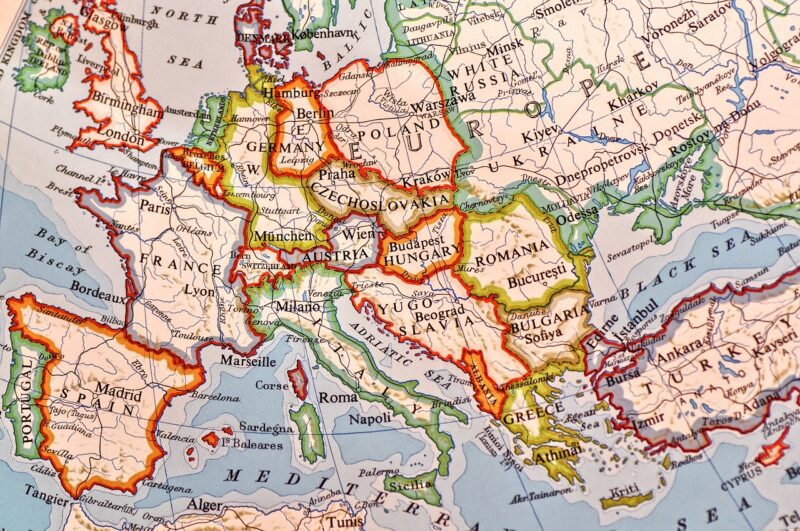
At the most basic level, New World wine means wine produced outside Europe’s classic wine-producing countries, especially France, Italy, Spain, Germany, Portugal, and Austria. In practice, the term usually points to countries such as the United States, Canada, Chile, Argentina, South Africa, Australia, and New Zealand.
But in wine, geography often comes bundled with style. For decades, New World wine became associated with a more open, fruit-driven, and immediately understandable approach. Labels often highlighted the grape variety rather than the region alone. Tasting notes leaned toward ripe fruit and bold expression. Winemakers tended to use modern technology more openly and were often less constrained by centuries of local rules and appellation systems.
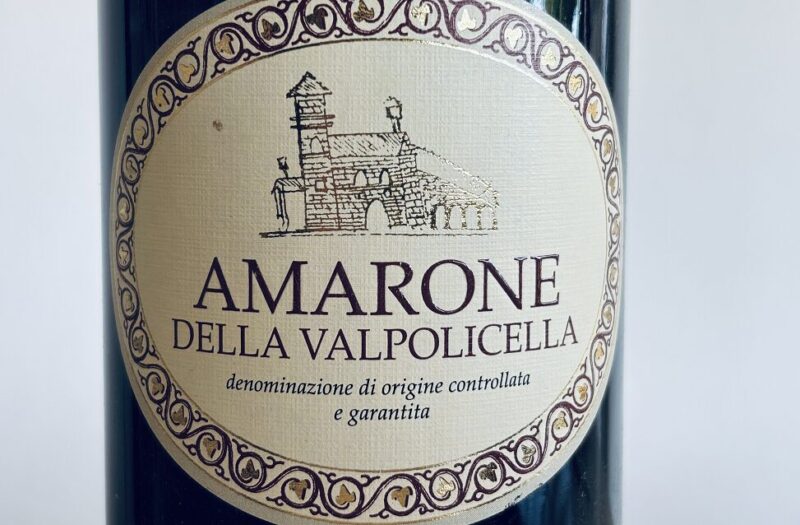
That gave New World wine a very different public image from Old World wine. Old World wines were often seen as more restrained, more savory, more terroir-focused, and sometimes more difficult for beginners to understand. New World wines, by contrast, often felt more direct. If a bottle said Cabernet Sauvignon, Chardonnay, or Sauvignon Blanc, the customer had a much clearer idea of what to expect.
That clarity mattered. It helped New World producers connect with drinkers who did not grow up with European wine culture and did not want to decode complicated appellation systems just to buy a bottle for dinner.
How New World wine began
The roots of New World wine stretch back to European exploration and colonization. As Spanish, Portuguese, French, Dutch, and British settlers moved into the Americas, South Africa, and later Oceania, they brought grapevines and winemaking knowledge with them. The original goal was often practical or religious. Settlers needed wine for sacramental use, everyday consumption, or commercial opportunity, and vines followed them into these new territories.
In the early centuries, success was mixed. Not every vine adapted well. Not every climate proved suitable. In many places, the first wine industries were small, inconsistent, or aimed more at local consumption than global prestige. But over time, certain regions emerged as especially promising. California developed rapidly in the 19th century, especially with the arrival of European immigrants during and after the Gold Rush. South America built strong wine traditions in Chile and Argentina. South Africa expanded its viticultural identity in the Cape. Australia and New Zealand established themselves more gradually, but eventually became major forces in the international market.
What really accelerated the rise of New World wine was the combination of better vineyard knowledge and modern winery technology. Disease-resistant rootstocks, better irrigation systems, canopy management, stainless steel fermentation, temperature control, and cleaner cellar practices all helped producers make wines with greater consistency and quality. Unlike many European regions, where centuries of tradition sometimes acted as a brake on experimentation, New World producers were often freer to try new approaches.
That freedom became part of their identity. New World wine was not just about planting vines in new countries. It was about building a different kind of wine culture, one that could combine European grape varieties with local conditions and modern methods.
If you want a broader historical foundation, our article on the history of winemaking is a useful companion piece.
What makes New World wine different?
Not every New World wine fits the same mold, but a few broad traits have shaped the category’s reputation.
Riper fruit and more immediate flavor
Many New World wine regions enjoy warmer climates than classic European areas. That can lead to fuller ripening, higher sugar levels, and more generous fruit expression. As a result, New World wines often show vivid flavors of ripe berries, tropical fruit, stone fruit, or lush black fruit depending on the grape. This is one reason they often feel more approachable when young.
A California Cabernet Sauvignon, for example, may show rich blackcurrant, plum, and vanilla. An Australian Shiraz may feel bold, spicy, and dark-fruited. A New Zealand Sauvignon Blanc may jump from the glass with citrus, passion fruit, and gooseberry. These wines tend to communicate quickly and clearly.
Varietal labeling
One of the most important commercial innovations of New World wine was making the grape variety central to the label. This seems normal now, but it helped break down barriers for consumers. Instead of learning dozens of European place names before understanding what was in the bottle, drinkers could simply learn that they liked Merlot, Chardonnay, or Pinot Noir.
This was not a small thing. It made wine easier to buy and easier to talk about. It helped turn wine from a niche or intimidating product into something more mainstream.
Modern cellar techniques
New World producers were often early and enthusiastic adopters of stainless steel tanks, temperature-controlled fermentation, cultured yeasts, modern sanitation, precision irrigation, and laboratory analysis. Some wine lovers romanticize less interventionist approaches, but there is no question that these tools helped producers make cleaner, more stable, and more consistent wine.
That modern mindset also encouraged experimentation. Oak usage, blending choices, vineyard trellising, and even packaging often evolved faster in New World regions than in stricter European appellation systems.
Accessibility and branding
New World wine also changed the way wine was marketed. Producers thought more clearly about branding, back labels, tasting notes, winery experiences, and customer education. This was especially visible in places like California, where wine tourism became a major cultural and economic force.
Major New World wine regions
California, United States
California is still the most globally famous New World wine region. Napa Valley and Sonoma County remain its biggest names, especially for Cabernet Sauvignon, Chardonnay, and Pinot Noir. Napa built its international reputation on powerful, polished red wines, especially Cabernet, while Sonoma has a slightly broader identity that includes Pinot Noir, Chardonnay, Zinfandel, and more site-sensitive expressions.
But California is much bigger than Napa and Sonoma. Paso Robles, Santa Barbara, Mendocino, and other regions all contribute to the state’s wine identity. Paso Robles excels with Rhône varieties and bold reds. Santa Barbara is especially strong for Pinot Noir and Chardonnay. Together, these regions show the enormous stylistic range California can offer.
Chile
Chile has become one of the most reliable and respected New World producers, especially for Cabernet Sauvignon, Sauvignon Blanc, and Carmenère. The country benefits from remarkable natural geography, with the Andes to the east, the Pacific to the west, and a long north-south range of climates. That gives Chile access to many different wine styles, from cooler coastal whites to structured inland reds.
Chile’s wines often combine good fruit with freshness and value, which helped them gain global traction fast. Over time, the country has also become more ambitious, with stronger terroir focus and higher-end bottlings.
Argentina
Argentina is best known for Malbec, especially from Mendoza. High-altitude vineyards at the foot of the Andes give the country a distinctive style, often combining ripe fruit with sunlight intensity and fresh mountain acidity. Argentine Malbec became one of the clearest examples of a New World success story: a grape that existed elsewhere but found a new and globally compelling identity in a different place.
Argentina also produces Cabernet Sauvignon, Torrontés, Chardonnay, and more, but Malbec remains its signature.
Australia
Australia helped define the image of New World wine through bold Shiraz, ripe Chardonnay, and strong branding. Regions such as Barossa Valley, McLaren Vale, Margaret River, Yarra Valley, and Hunter Valley all produce distinct styles. Barossa is famous for powerful Shiraz. Margaret River excels with Cabernet Sauvignon and Chardonnay. Yarra Valley is better known for cooler-climate Pinot Noir and Chardonnay.
Australia’s wine scene is more diverse than many people think, and in recent years it has also moved beyond the stereotype of only big, alcoholic wines. Many producers now focus more on freshness, regional identity, and restraint.
New Zealand
New Zealand built its reputation largely on Marlborough Sauvignon Blanc, one of the most recognizable white wine styles in the world. Sharp, aromatic, bright, and often bursting with passion fruit, lime, and gooseberry, it became a global benchmark almost shockingly quickly.
But New Zealand is not only Sauvignon Blanc. Pinot Noir from Central Otago and Martinborough has gained serious recognition, and Chardonnay, Riesling, and Pinot Gris also show strong quality in the right sites.
South Africa
South Africa’s wine scene combines deep history with modern energy. Stellenbosch, Paarl, Swartland, Franschhoek, and Constantia are all important regions. Chenin Blanc is one of the country’s greatest strengths, while Cabernet Sauvignon, Syrah, and Pinotage all play major roles as well.
What makes South Africa especially interesting is that it blends Old World structure with New World openness. It often feels like a bridge between the two wine cultures rather than a simple example of one side.
Popular grape varieties in New World wine
New World regions grow a wide range of grapes, but a few varieties became especially central to their international success.
Cabernet Sauvignon
Cabernet Sauvignon thrives in regions like Napa Valley, Chile, Australia, and parts of South Africa. In New World settings, it often shows ripe black fruit, plush texture, and oak-driven notes such as vanilla, cedar, or cocoa. It became one of the flagship grapes of global fine wine outside Europe.
For a deeper dive, see our article on Cabernet Sauvignon.
Merlot
Merlot found major success in California, Chile, and parts of Australia, where it often gives soft, fruit-forward wines with plum, cherry, and chocolate notes. It is often used in blends, but many varietal examples have also done well with mainstream consumers because of their approachability.
Syrah and Shiraz
Syrah, often labeled Shiraz in Australia, became one of the signature grapes of the New World. Australian Shiraz, particularly from Barossa, helped define the country’s wine image for years. Elsewhere, Syrah has shown more peppery or savory expressions depending on region and style.
Chardonnay
Chardonnay is everywhere in New World wine, from rich, oak-aged California examples to fresher, more mineral styles from places like New Zealand and cooler Australian regions. Few grapes have shown such range across New World climates.
Sauvignon Blanc
Sauvignon Blanc is especially important in New Zealand and Chile, where it often shows intense aromatics and very direct flavor. Marlborough Sauvignon Blanc in particular became one of the most influential white wine styles of the late 20th and early 21st century.
Pinot Noir
Pinot Noir gained strong footholds in California, Oregon, and New Zealand. In these regions it often shows ripe cherry, berry fruit, and silkier tannins than some classic European examples, although the best sites can still deliver real nuance and age-worthiness.
Malbec
Malbec is one of the clearest examples of New World reinvention. While it has roots in France, it became globally famous through Argentina, especially Mendoza. There it found a style that was rich, dark-fruited, velvety, and accessible enough to build huge international appeal.
How New World winemaking changed the industry
New World wine did more than introduce new regions. It changed how the wine business worked. It pushed clearer labeling, stronger branding, more direct customer communication, and a wider embrace of technology. It also challenged European dominance at a time when many people assumed fine wine was mostly a European matter.
Blind tastings and international competitions played a big role here. California’s breakthrough moments, especially the famous Judgement of Paris in 1976, forced many critics and consumers to take New World regions more seriously. After that, it became much harder to dismiss non-European wines as secondary.
New World producers also made wine culture feel less closed. They helped move wine away from being something only experts or insiders could navigate. That had a huge cultural effect. More people felt able to learn about wine, buy wine, and talk about wine without feeling excluded by tradition.
New World wine and sustainability
Many New World wine regions have also helped push the global conversation around sustainability. Organic farming, biodynamic vineyards, water management, renewable energy, and lighter intervention in the winery are now major priorities in places like New Zealand, California, South Africa, and Australia.
This does not mean Old World producers ignored sustainability, but New World regions often marketed these efforts very effectively and built them into their broader brand identity. Sustainability also matters more as climate change reshapes how wine can be grown. Regions that innovate quickly may have an advantage, and that willingness to adapt has long been one of the New World’s strengths.
For more on that, see our article on innovation and sustainability in future winemaking.
Is New World wine the future?
New World wine is not replacing Old World wine, and it does not need to. The most useful way to think about it now is not as a challenger trying to overthrow Europe, but as a fully established part of global wine culture. It has already won its place. The question is no longer whether New World wine can be great. The question is which regions and producers are defining the next stage of that greatness.
What makes New World wine especially important going forward is its flexibility. These regions often adapt faster, communicate more directly, and innovate more openly. They are also less tied to rigid historical rules, which can be a huge advantage as the climate changes and consumer preferences shift.
At the same time, the best New World producers are no longer relying only on ripe fruit and modern polish. More and more now focus on site, restraint, native varieties, and regional identity. That means New World wine is becoming more complex, not less. It is maturing as a category.
For wine drinkers, that is good news. It means the world of New World wine is broader, more interesting, and more serious than ever before. Whether you are drawn to Napa Cabernet, Marlborough Sauvignon Blanc, Mendoza Malbec, Barossa Shiraz, or Stellenbosch Chenin Blanc, there is now a depth of choice that would have been hard to imagine a few decades ago.
New World wine helped democratize wine, modernize wine, and expand wine. That alone gives it a permanent place in wine history. The fact that it also continues to improve means its future looks just as dynamic as its past.
Read next
- The History of Winemaking
- Innovations and Sustainability Drive the Future of Winemaking
- Cabernet Sauvignon Red Wine Grape
Last updated: