Wine has a serious side, but it also has a wonderfully strange one. Beyond tasting notes, vineyard maps, and food pairings, the wine world is full of odd rules, stubborn traditions, ancient rituals, and facts that sound made up until you check them. That mix is part of what makes wine so fun to explore. It is not just a drink. It is a trail of culture, politics, religion, travel, and human weirdness stretching back thousands of years.
Some of the strangest wine facts come from the way different societies have tried to control, protect, celebrate, or mythologise wine. In one place, a name is guarded like treasure. In another, wine gets thrown around in public as part of a festival. Elsewhere, runners pass château after château while tasting wine during a marathon. And yes, wine has even gone to space. Once you start looking past the bottle itself, the wine world gets a lot more entertaining.
Key takeaways
- Some of the weirdest wine facts come from real laws, especially around naming rights, sales restrictions, and regional identity.
- Wine traditions can be deeply ritualistic, wildly messy, or both at once.
- Not every famous wine “fact” is still accurate, so this topic works best when the details are kept current.
- The fun side of wine often reveals just as much about culture as it does about grapes.
Table of contents
- Why wine collects so many strange stories
- Strange wine laws that are actually real
- Quirky wine traditions and festivals
- Weird wine trivia that sounds made up
- Why the odd side of wine matters
Why wine collects so many strange stories
Wine has had more time than most drinks to gather mythology around itself. Beer has history, spirits have folklore, but wine has a habit of showing up everywhere: religion, empire, farming, trade, class, medicine, ceremony, travel, and status. When one product lives inside that many parts of human life for that long, odd stories are inevitable.
That is also why wine facts can swing from sacred to ridiculous in a heartbeat. One minute you are reading about protected regional identity and ancient offerings to the gods. The next minute you are looking at adults in white clothes throwing red wine at each other in Spain, or runners in costume sipping Médoc during a marathon. Wine carries prestige, but it also attracts theatre.
For a site like Corked News, that is actually useful. Articles like this are lighter than a deep guide to terroir, but they still bring readers into the subject. They make wine feel alive, human, and less intimidating. And from there, people are much more likely to click into related pieces on regions, travel, and wine terms.
Strange wine laws that are actually real
Champagne is not just a style. It is a protected name
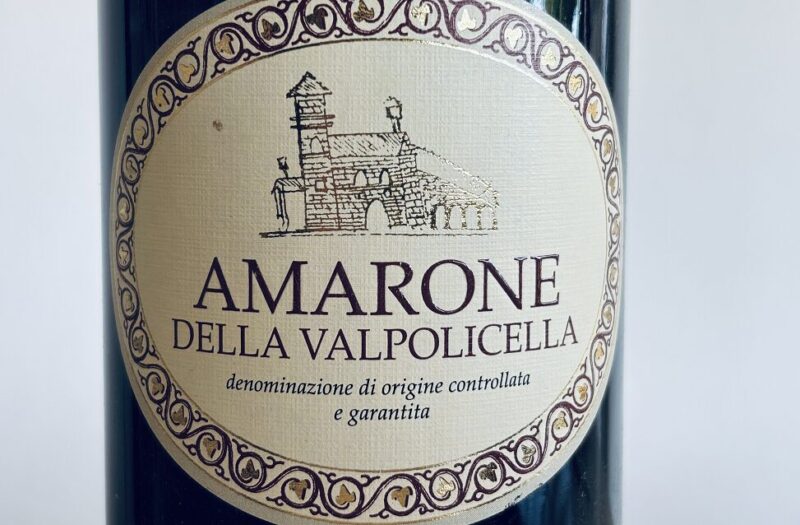
One of the most famous wine rules in the world is also one of the easiest to get wrong. Champagne is not simply any sparkling wine with enough confidence and bubbles. The name is legally protected, and that protection is a huge deal in the wine world. It is one of the clearest examples of how place and prestige are tied together in European wine law.
That legal protection matters because it shows how seriously wine regions guard their identity. Champagne is not only about method. It is about origin. That is why the name has become shorthand for one of the wine world’s biggest ideas: some wines are inseparable from where they come from. If you want a natural internal link here, this is the right place for Champagne Wine Region France Free Wine Map.
Nobody is buying wine from Vinmonopolet on a Sunday
Norway has one of Europe’s best-known state alcohol retail systems, and it leads to one of the tidiest weird wine facts around: the country’s Vinmonopolet shops are closed on Sundays. That makes the rule memorable not because it is theatrical, but because it feels so strict compared with how casually alcohol is sold in many other countries.
It is a good reminder that wine laws are not always about terroir or naming rights. Sometimes they are about public policy, retail control, and cultural attitudes to drinking. The wine world loves to sound romantic, but plenty of it is shaped by plain regulatory reality.
Wine law often looks bizarre from the outside
Once you start paying attention, wine law gets weird fast. Some rules exist to protect a region’s reputation. Others shape what can go on a label, how a grape name can be used, or what counts as authentic production. These rules can feel fussy, but they are part of why wine remains so tied to geography and tradition.
If readers are likely to wonder what terms like appellation, designation, or protected origin actually mean, this is a natural place to link to The Complete Wine-Lingo Glossary. It fits the article without making the tone too heavy.
Quirky wine traditions and festivals
Ancient Greece treated wine as something sacred
Long before wine became a hobby, a luxury item, or an investment bottle, it had ritual meaning. In ancient Greek culture, wine was closely linked with Dionysus and with practices of offering, celebration, and symbolic pouring. That history matters because it shows that wine’s cultural power did not begin with modern tasting culture. It was already wrapped up in ceremony thousands of years ago.
That old sacred connection still echoes in how wine is talked about today. Even modern wine language can sound half agricultural and half religious. People talk about reverence, pilgrimage, purity, and devotion as if they are not describing fermented grape juice. In a way, the Greeks saw that coming first.
Spain has a festival where people throw wine at each other
If you want a wine tradition that sounds too absurd to be real, Spain delivers. In Haro, in Rioja, the Batalla del Vino is exactly what it sounds like: a wine battle where participants drench one another in red wine as part of an annual celebration. It is messy, theatrical, and very far from the polished image many people associate with wine culture.
That contrast is part of what makes it so good. Wine can be formal and ritualised, but it can also be communal, chaotic, and funny. Rioja is one of the world’s most respected regions, and it still plays host to one of the most gloriously ridiculous wine celebrations around. This is the perfect spot for an internal link to Rioja Wine Region Spain Free Wine Map or, more specifically, Rioja Alavesa Wine Region Spain Free Wine Map.
The Médoc has a marathon with wine tastings
France contributes one of the best wine oddities of all: the Marathon du Médoc. This is a real marathon through Bordeaux wine country, and it has become famous not just for the route, but for the costumes, atmosphere, and wine tasting stops along the way. It is one of those events that sounds like parody until you realise it has been doing its thing for decades.
What makes it especially good as trivia is that it captures the two faces of wine culture at once. Bordeaux can represent prestige, classification, and serious collecting, but it can also host thousands of runners in costume making their way through vineyards in a joyfully unserious mood. If you want a smart contextual link here, use Bordeaux Wine Region France Free Wine Map or Médoc Wine Region France Free Wine Map.
Weird wine trivia that sounds made up
The Speyer bottle is still famous, but it is no longer the oldest liquid wine ever found
This is one of those cases where old wine trivia needs updating. The Speyer wine bottle in Germany remains one of the most famous surviving wine artefacts in the world, and it is still celebrated as an extraordinarily old unopened bottle. For years it was widely described as the oldest known liquid wine ever found.
But newer research changed that. In 2024, a study on a Roman funerary urn from Carmona in Spain concluded that the liquid inside was even older, which means the Speyer bottle is no longer the oldest known wine preserved in liquid form. That does not make the Speyer bottle less interesting. If anything, it makes the story better, because it shows how wine trivia can evolve when archaeology catches up with received wisdom.
Wine has been to space
Yes, wine has really gone to space. A research project sent bottles of Bordeaux to the International Space Station to explore how microgravity and space conditions might affect wine and vine development. This is one of those facts that sounds like a rich-person joke until you realise there was a genuine scientific angle behind it.
The appeal is obvious. Wine already carries ideas of time, aging, environment, and subtle transformation, so putting it in space feels like the most extra version of wine curiosity imaginable. It is also a reminder that wine is not only historical. It still inspires strange modern experiments that nobody would have predicted a generation ago.
“Room temperature” is a historic wine fact that now confuses people
One of the funniest things about wine is how many modern arguments come from old advice being repeated without context. The classic example is red wine at room temperature. That phrase made much more sense when rooms were cooler. Today it often leads to reds being served too warm, which is one reason the advice survives as both a fact and a trap.
That makes it a perfect piece of wine trivia because it reveals how tradition can stay alive even after the original conditions have changed. If you want to turn that into a useful click, this is a natural place for The Ultimate Guide to Wine Serving Temperatures.
Why the odd side of wine matters
It is easy to dismiss weird wine facts as fluff, but they actually do something useful. They make wine easier to approach. Not everyone wants to start with tannin structure, malo, appellation law, and vertical tastings. Sometimes the best entry point is simply discovering that wine culture can be funny, messy, protective, ritualistic, and a little absurd.
These stories also reveal what wine really is underneath the branding. It is not just a luxury object or a technical product. It is a human product, and humans are strange. We make laws around names, carry rituals across centuries, turn harvest celebrations into public chaos, and send bottles into orbit because curiosity got the better of us.
That is why wine keeps people interested long after the first glass. Once you realise the world around wine is as strange as the flavours inside it, the subject gets much harder to leave alone.
A final splash of weird wine trivia
Wine is full of facts that sound invented until you trace them back to real places, real rules, and real traditions. Some are ancient. Some are bureaucratic. Some are gloriously silly. Together they show that wine is not only about what is in the bottle. It is also about the cultures that protect it, celebrate it, fight over it, and occasionally throw it at each other.
That makes weird wine facts more than clickbait. Done properly, they are a fun way into the larger wine world. They give readers a sense of place, history, and personality, and they make the subject feel alive rather than academic.
Read next
- Champagne Wine Region France Free Wine Map
- Bordeaux Wine Region France Free Wine Map
- Spain Wine Trip Travel Ideas
Last updated: