
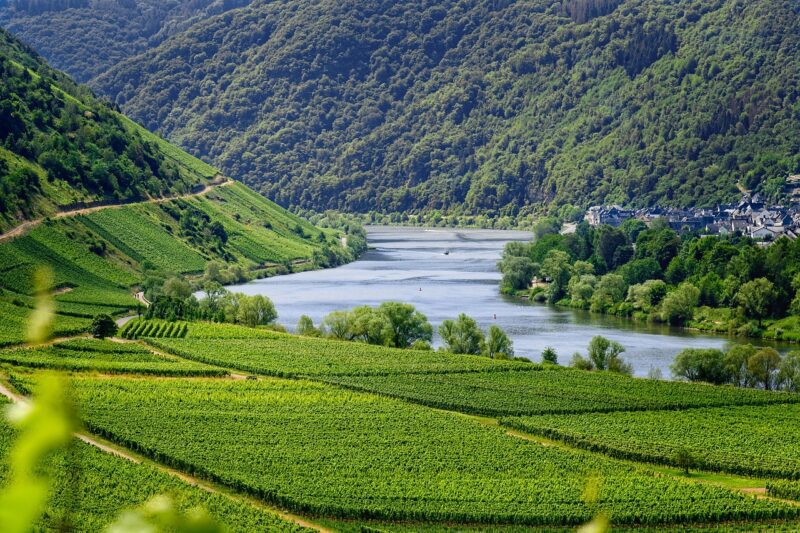
Côte Chalonnaise is one of Burgundy’s most useful regions to know because it offers a lot of what people love about Burgundy without always demanding Côte d’Or prices. It sits just south of the Côte de Beaune and shares much of Burgundy’s DNA: limestone-rich soils, a cool continental climate, Pinot Noir, Chardonnay, and a strong focus on site. But it also has its own identity. The wines are often a little more open, a little more practical, and in many cases much better value than the region’s more famous northern neighbors.
That is exactly why Côte Chalonnaise matters. It is not just Burgundy’s “cheaper alternative.” At its best, it produces serious, characterful wines with freshness, balance, and real regional personality. The reds can be lively, earthy, and elegant. The whites can be crisp, floral, mineral, and quietly complex. And because the region is spread across several distinct villages and appellations, there is enough variety here to keep wine lovers interested for a long time.
If you are trying to understand Burgundy beyond the headline names, Côte Chalonnaise is one of the best places to look. It makes the region’s logic easier to see: grape, place, style, and value all working together in a way that feels more approachable than the grandest parts of Burgundy, but still unmistakably Burgundian.
Key takeaways
- Côte Chalonnaise is a key Burgundy subregion known for strong-value Pinot Noir, Chardonnay, and the Aligoté-based wines of Bouzeron.
- Its most important appellations are Mercurey, Givry, Rully, Montagny, and Bouzeron, each with its own style and strengths.
- The region offers a more accessible way into Burgundy while still showing real terroir character and classic regional finesse.
Table of contents
- Why Côte Chalonnaise matters
- Terroir and climate in Côte Chalonnaise
- The main grapes of Côte Chalonnaise
- The key appellations: Mercurey, Givry, Rully, Montagny, and Bouzeron
- What the wines taste like
- Winemaking traditions and style
- Food pairing and why the region is so easy to enjoy
- Wine travel in Côte Chalonnaise
- Why Côte Chalonnaise deserves more attention
Why Côte Chalonnaise matters
Côte Chalonnaise matters because it shows that Burgundy is bigger than its most famous names. When people first think of Burgundy, they usually think of Côte d’Or, Grand Cru vineyards, and bottles with serious prices. Côte Chalonnaise sits a little further south and often gets less attention, but that is part of its appeal. It has not been mythologized to the same degree, which means the wines can still feel grounded and comparatively attainable.
That does not mean the region is simple or lesser in any absolute sense. It means it is often a smarter place to explore if you want real Burgundy character without immediately diving into the most expensive part of the map. It also helps that the region is easier to understand than many newcomers expect. The appellations are fairly distinct, the main grapes are familiar, and the wines often speak clearly.
In practical terms, Côte Chalonnaise is where many drinkers start to realize that Burgundy is not only about prestige. It is also about nuance, freshness, texture, and how place shapes Pinot Noir and Chardonnay. That makes it one of the most educational corners of the region.
If you want the broader Burgundy picture first, Burgundy Wine Region Guide: Pinot Noir, Chardonnay, Premier Cru, and Grand Cru Explained is the best companion read.
Terroir and climate in Côte Chalonnaise
Côte Chalonnaise runs south of the Côte de Beaune and shares some of the same broad geological and climatic features that make Burgundy such a compelling wine region. Limestone, marl, and clay appear throughout the landscape, though the balance shifts from site to site. That variation matters because Burgundy’s whole personality depends on small differences in soil, drainage, elevation, and exposure.
The climate is continental, with cold winters, warm summers, and enough vintage variation to keep growers alert. Spring frost, rain pressure, and heat shifts can all influence the final wines. In good years, the region can produce beautifully balanced fruit with enough ripeness to feel generous but enough freshness to stay recognizably Burgundian. That balance is one of Côte Chalonnaise’s strengths.
The landscape itself is also part of the story. The vineyards are spread across a series of rolling hills and slopes rather than one single uninterrupted grand escarpment. That gives the region a slightly more fragmented feel than Côte d’Or, but also adds variety. Different exposures and elevations create different wine personalities, which is why the appellations do not all blur into one style.
If you want the deeper explanation of why this matters, The Exciting Impact of Terroir on Wine is highly relevant here.
The main grapes of Côte Chalonnaise
Pinot Noir and Chardonnay are the central grapes of Côte Chalonnaise, which is exactly what you would expect in Burgundy. But the region also has one very important exception that gives it extra character: Aligoté, especially in Bouzeron.
Pinot Noir
Pinot Noir is the leading red grape and is responsible for some of the region’s best-known wines, especially in Mercurey and Givry. In Côte Chalonnaise, Pinot Noir often comes across as bright, red-fruited, and earthy, with enough structure to feel serious but usually less weight and grandeur than the top reds of Côte de Nuits. That is not a criticism. It is part of the charm. These wines can feel more open, more straightforward, and more immediately drinkable, while still offering the finesse people want from Burgundy.
For the grape background, Pinot Noir / Spätburgunder Red Wine Grape is the strongest internal link here.
Chardonnay
Chardonnay dominates the whites, especially in Rully and Montagny. The style is usually fresher and leaner than the richest whites of Côte de Beaune, though good bottles can still show texture, subtle nutty notes, orchard fruit, citrus, and a mineral edge. Côte Chalonnaise Chardonnay is often one of the smartest buying categories in Burgundy because it can deliver real regional character without the price escalation of the more famous villages further north.
For more on the grape itself, Chardonnay White Wine Grape: From Chablis to California fits perfectly.
Aligoté
Bouzeron deserves special mention because it is the one village appellation in Burgundy dedicated entirely to Aligoté. That alone makes it stand out. Aligoté can be sharp and simple in weak hands, but in the right sites it can be vibrant, saline, crisp, and very appealing. Bouzeron is the clearest argument that Aligoté deserves to be taken seriously.
The key appellations: Mercurey, Givry, Rully, Montagny, and Bouzeron
Mercurey
Mercurey is the largest and probably the best-known appellation in Côte Chalonnaise. It produces both red and white wine, though it is especially associated with red Pinot Noir. Mercurey reds often show more structure and weight than many other wines in the region, with red and dark berry fruit, earth, spice, and enough backbone to age well in the better examples.
This is usually the first appellation people learn in Côte Chalonnaise, and for good reason. It often feels like the region’s most complete expression of red Burgundy value.
Givry
Givry is another important red-wine village and one that often feels a little more understated in reputation than Mercurey. That can make it a good place to find very satisfying wines. The reds are usually elegant, fresh, and red-fruited, with a classic Burgundian feel and a little less emphasis on weight than Mercurey. There are whites too, but red wine tends to lead the conversation here.
Rully
Rully is best known for white wine and sparkling wine, though it also makes red. The still whites often show freshness, floral lift, orchard fruit, and a clean mineral line that makes them very easy to like. Rully is also important in Crémant de Bourgogne, so it has a slightly broader stylistic role than some of its neighbors.
At its best, Rully gives you exactly what many people want from white Burgundy: brightness, precision, and just enough texture to keep it interesting.
Montagny
Montagny is focused entirely on white wine from Chardonnay. That singular identity makes it easy to understand. The wines are typically crisp, mineral, and citrus-led, often with a clean, stony profile that appeals to drinkers who want freshness more than weight. Montagny is one of the clearest white-wine zones in Côte Chalonnaise and often represents strong value.
Bouzeron
Bouzeron is the outlier and one of the most interesting appellations in the region because it is dedicated to Aligoté. The wines are bright, lively, and often very food-friendly. They can be deceptively simple at first, but good Bouzeron has enough energy and precision to make a lasting impression. If you only know Aligoté as a minor supporting grape, Bouzeron is the place that can change your mind.
What the wines taste like
Côte Chalonnaise wines often feel like Burgundy in a practical mood. That sounds slightly flippant, but it is actually a strength. The region tends to produce wines that are easier to understand and often easier to enjoy young, while still carrying real Burgundian structure and site expression.
The reds usually lead with red cherry, raspberry, cranberry, light spice, earth, and sometimes a gentle floral note. The tannins are often finer and less imposing than in more powerful red Burgundy zones, which can make the wines very appealing at the table.
The whites usually sit in the fresh-to-medium-bodied range, with citrus, apple, pear, white flowers, subtle nuttiness, and mineral lift. They are not usually as broad or rich as the top Côte de Beaune whites, but that is often exactly why they are so useful. They can be lively, precise, and highly food-friendly without ever feeling heavy.
That makes Côte Chalonnaise one of the better places in Burgundy to buy wines for real drinking rather than cellar fantasy.
Winemaking traditions and style
Côte Chalonnaise shares Burgundy’s general preference for vineyard focus and relatively restrained winemaking. Producers are not usually trying to make flashy, overworked wines. The aim is to preserve fruit purity, let the site show through, and build enough texture and structure without flattening everything under oak or extraction.
That said, oak still matters here. Both reds and whites can see barrel aging, and the better wines often benefit from it. The key is proportion. When handled well, oak gives shape, spice, texture, and a little extra depth without dominating the fruit. Côte Chalonnaise tends to work best when the wines stay balanced and transparent rather than trying to mimic more expensive and more heavily worked wines further north.
Many producers also work on a relatively small scale, and that matters. Vineyard attention, careful harvesting, sorting, and a lighter hand in the cellar all contribute to the region’s best bottles. If you want the broader production background, How Wine Is Made: A Clear Guide to Vineyard, Fermentation, Aging, and Bottling is the best supporting read.
Food pairing and why the region is so easy to enjoy
Côte Chalonnaise is a very easy region to love at the table because the wines often have exactly the kind of freshness and flexibility that food needs. The reds work well with roast chicken, pork, mushrooms, charcuterie, and lighter meat dishes. The whites are excellent with seafood, poultry, creamy sauces, and many cheeses.
Rully and Montagny whites are especially useful with shellfish, simple fish dishes, goat cheese, and lighter cream-based plates. Mercurey and Givry reds are often ideal for dishes where you want red wine character without overwhelming the food. Bouzeron is one of those wines that suddenly makes perfect sense with oysters, salads, asparagus, or light starters where heavier whites would be too much.
That makes Food and Wine Pairing Explained: The Rules That Actually Help a natural internal companion link.
Wine travel in Côte Chalonnaise
Côte Chalonnaise is very appealing for wine travel because it feels less pressured than some of Burgundy’s most famous zones. The villages are attractive, the vineyard scenery is beautiful, and the atmosphere is often a little more relaxed than in the better-known prestige villages further north.
Mercurey, Rully, Givry, Montagny, and Bouzeron all offer a chance to understand Burgundy in a more approachable way. You still get the vineyard slopes, historic villages, cellar visits, and strong local food culture, but often with a little less mythology and a little more room to explore at your own pace.
If you want to widen that into a broader travel plan, Planning a Wine Trip to France is the most relevant next step.
Why Côte Chalonnaise deserves more attention
Côte Chalonnaise deserves more attention because it offers one of the clearest answers to a question many Burgundy drinkers eventually ask: where do you go when you want real Burgundy character without always paying Côte d’Or prices? This is one of the best answers.
It has enough terroir diversity, enough village identity, and enough stylistic range to keep serious wine lovers interested, while also being straightforward enough for newer Burgundy drinkers to enjoy and understand. That combination is not easy to find.
Mercurey gives you structure and red Burgundy depth. Givry gives elegance. Rully and Montagny give freshness and white Burgundy value. Bouzeron gives you something genuinely distinctive. Together, they make Côte Chalonnaise much more than a footnote to the grander parts of Burgundy.
So no, it may not carry the same aura as the most famous villages of Côte d’Or. But that is exactly why it remains so useful, so rewarding, and so worth exploring. It is Burgundy without quite so much noise, and often with far better value than people expect.
Read next
- Côte d’Or Wine Region Guide: Côte de Nuits, Côte de Beaune, Pinot Noir, and Chardonnay
- Pinot Noir / Spätburgunder Red Wine Grape
- Planning a Wine Trip to France
Last updated:


