
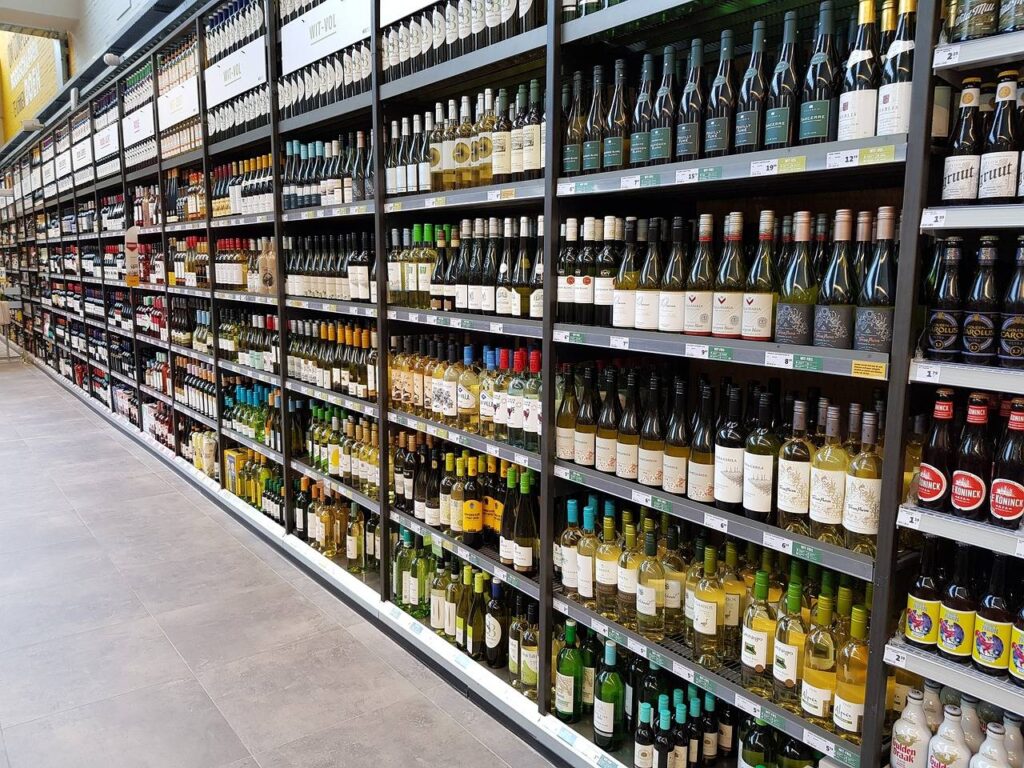
Finding the best wine deals is not just about paying less. It is about paying the right price for a bottle you will actually enjoy. That sounds obvious, but a lot of people still confuse cheap wine with good value, and those are not the same thing. A real wine deal gives you quality, balance, and pleasure for the money. A bad deal is simply a low price attached to a forgettable bottle.
That is why smart wine buying matters. Whether you are stocking up for everyday drinking, hunting for a few better bottles, or trying to stretch your budget without lowering your standards, the goal is the same: buy more confidently and waste less money. The good news is that there are plenty of ways to do that once you know where to look and what to ignore.
Key takeaways
- The best wine deals are about value, not just discounts.
- Independent wine shops, online retailers, mailing lists, and mixed-case offers can all be useful if you shop carefully.
- Lesser-known regions often offer better value than famous names with premium pricing.
- Price comparison matters, but so does producer reputation, storage, and whether the wine actually suits your taste.
- Buying more only saves money if you would happily drink the wine again.
Table of contents
- What a good wine deal really is
- Where to find good-value wine
- Why local wine shops can still beat bigger sellers
- How to shop smarter online
- Are mailing lists and wine clubs worth it?
- When case discounts actually make sense
- Why lesser-known regions often offer the best deals
- Clearance sections, auctions, and other risky temptations
- Common wine deal mistakes
- A practical strategy for buying better wine for less
What a good wine deal really is
A good wine deal is not necessarily the cheapest bottle on the shelf. It is a bottle that punches above its price. That could mean a fresh, balanced weekday white that costs less than expected for the quality. It could also mean a well-made red from a lesser-known region that drinks like something more expensive. The key point is value, not just discount.
This matters because price in wine is shaped by far more than quality alone. Prestige, region, reputation, scarcity, packaging, importer positioning, and trends all influence what you pay. Famous names often carry famous markups. That does not mean they are bad wines. It just means you are often paying for recognition as well as what is in the bottle.
The smartest wine buyers learn to separate reputation from drinking value. They do not chase low prices blindly, but they also do not assume that a high number equals a better experience. If you want a practical way to judge bottles when shopping, our guide to spotting a good wine by its label is a useful starting point.
Where to find good-value wine
There is no single best place to find wine deals. The best source depends on what kind of buyer you are. Some people do best in a strong local wine shop with staff who know their stock. Others are better off comparing prices online and buying when conditions are right. Some enjoy wine clubs and mixed cases. Others would rather stay flexible and buy one or two bottles at a time.
The mistake is assuming one channel is always best. Good-value wine can come from a neighborhood merchant, a specialist website, a seasonal case offer, or a clearance bin. The real skill is knowing how to judge the offer instead of trusting the format.
Why local wine shops can still beat bigger sellers
Local wine shops are often underrated by bargain hunters because they assume bigger chains or giant online retailers must automatically have better pricing. Sometimes they do, but not always. A good local shop can offer something more useful than the rock-bottom number on a mass-market bottle: curation.
If the staff actually taste what they sell, they can steer you away from weak bottles and toward wines that overdeliver in your price range. That alone can save money. Paying a few extra euros or dollars for a much better bottle is usually a better deal than “saving” money on something dull.
Local shops also tend to carry smaller producers, importer finds, and off-radar regions that large sellers may not push as hard. Those bottles are often where the best value hides. If you build a relationship with the staff, they may also point you toward end-of-bin offers, seasonal discounts, mixed-case deals, or wines they think deserve more attention.
This is especially useful if you are still figuring out your preferences. A good merchant can often recommend a better-value alternative to the style you already like. If you usually buy New Zealand Sauvignon Blanc, maybe there is a Loire option or a lesser-known coastal white that gives you more for the money. If you usually buy Napa Cabernet, maybe there is a better-value bottle from another New World region that gives you a similar feel for less. Our explainer on New World wine is helpful if you want to understand where some of those alternatives come from.
How to shop smarter online
Online wine shopping is great for breadth and convenience, but it can also tempt people into buying on price alone. That is where mistakes happen. The bottle that looks cheapest may not stay cheapest once shipping, minimum-order rules, or taxes are added. It may also be sitting on a site with weak storage standards or vague product information.
The smarter way to shop online is to compare the full deal, not just the headline price. Look at bottle cost, shipping thresholds, mixed-case flexibility, and producer detail. A retailer that gives you proper tasting notes, importer information, drinking window guidance, and clear storage standards is usually more trustworthy than one that only pushes markdowns.
It also helps to compare across a few sellers before buying more than one bottle. That does not mean spending an hour chasing tiny price differences. It means checking whether the offer is genuinely competitive or only looks that way because of the way it is presented.
Reviews can help, but they should not run the whole process. A wine that scores well may still be wrong for your taste. A bottle with fewer flashy ratings may be exactly what you want. If you are trying to become more confident about your own palate rather than leaning on the crowd, our guide to wine tasting is worth reading.
Are mailing lists and wine clubs worth it?
Sometimes yes, sometimes not. Mailing lists are usually worth joining if they come from producers or retailers you already trust. They can give you early access to limited offers, seasonal discounts, or mixed-case promotions before they are widely pushed. They are also useful for seeing patterns in how a retailer prices and markets wine.
Wine clubs are more mixed. A good one can introduce you to bottles you would never have found yourself and offer fair value with decent curation. A bad one can lock you into wines you would never buy again on your own. That is why flexibility matters. If a club lets you skip shipments, adjust style preferences, or buy add-ons selectively, it is much more appealing than one that simply pushes fixed boxes at you.
The best wine clubs tend to work for people who are open to discovery but still want some control. If you are very specific about style, sweetness, oak, or region, you may be better off buying directly from retailers with strong filtering and clearer selections.
There is also a simple test here: would you be interested in these wines without the subscription framing? If not, the deal may not be as good as it looks.
When case discounts actually make sense
Case discounts can be excellent, but only if they are applied to wines you would happily buy again. This sounds basic, but it is where people fool themselves. Buying twelve bottles of something mediocre is not saving money. It is just committing to your own disappointment at a discount.
The best use of case discounts is either for proven favorites or for well-built mixed cases from people you trust. If you already know you enjoy a certain producer, region, or house style, a case price can be a smart move. If the case is mixed, make sure it is mixed with intention and not just a way for the seller to move weaker stock.
You should also think about storage before buying in bulk. Wine does not need a full cellar setup to survive, but it does need reasonable conditions if you are keeping it for more than short-term drinking. Heat, light, and temperature swings can quickly turn a good deal into a wasted purchase. For the basics, our guide to buying, storing, and enjoying wine covers the practical side well.
Why lesser-known regions often offer the best deals
This is where some of the best wine value lives. Prestigious regions often come with prestige pricing. You are paying not only for farming and production, but also for the weight of the name. That is why lesser-known regions can be so rewarding. They may use the same grapes, similar climates, or comparable winemaking approaches without carrying the same branding premium.
That does not mean every obscure region is automatically a bargain. Some are obscure because the quality is inconsistent. But many offer serious value because the market simply pays less attention to them. This is especially true when you look beyond the most famous labels and focus on producers with good reputations for honest, well-made wine.
Independent producers matter here too. Smaller wineries often cannot charge on reputation alone, so they have to compete through quality and character. That can work in your favor as a buyer. The wine may feel more personal, more distinctive, and better priced than a safer but more inflated option from a big-name region.
If you want help thinking beyond the obvious crowd-pleasers, our article on how to choose a wine most people will actually enjoy is useful because it balances familiar styles with smarter alternatives.
Clearance sections, auctions, and other risky temptations
Clearance sections can be brilliant or terrible. Sometimes they contain overstocked wines that simply need to move. Other times they contain tired bottles, awkward vintages, or wines that were never very good in the first place. The trick is to understand why the bottle is discounted.
If the discount exists because the label is changing, the importer is moving stock, or the retailer overbought, that can be a genuine opportunity. If the bottle has clearly been sitting under bright light, gathering dust for years, or showing poor fill level and tired packaging, caution makes more sense.
Wine auctions are even more specialized. They can be useful for experienced buyers who understand condition, provenance, fees, and realistic market value. For most casual wine drinkers, they are not the first place to look for bargains. They are better suited to people buying collectible or older bottles, not everyday value.
There is nothing wrong with being curious about these channels, but they reward knowledge far more than impulse. If you do not yet feel comfortable reading wine terms, bottle condition, and drinking windows, our wine glossary can help make that language less opaque.
Common wine deal mistakes
Buying only on discount percentage
A 30% discount on a mediocre wine is still a mediocre wine. The markdown alone tells you very little.
Assuming famous equals safe
Well-known names can still be overpriced, underwhelming, or simply not to your taste.
Buying in bulk before you know the wine
A mixed case of unfamiliar bottles can be fun. A full case of a wine you have never tried is much riskier.
Ignoring storage and shipping
A good bottle badly stored is not a good deal anymore. This matters especially in warmer months and with longer shipping routes.
Shopping for prestige instead of drinking pleasure
It is easy to get seduced by labels, regions, and names other people admire. But value is personal too. A bottle is only a deal if you actually enjoy drinking it.
A practical strategy for buying better wine for less
If you want a simple system, try this.
- Set a realistic price band for your everyday wines and a separate one for special bottles.
- Buy singles first, then buy multiples only after a bottle proves itself.
- Use trusted shops and retailers instead of chasing random discounts everywhere.
- Explore a few lesser-known regions instead of always paying for the most obvious names.
- Keep notes on what you enjoyed, what felt overpriced, and what you would buy again.
That last point matters more than people think. The buyers who get consistently good value are usually the ones who remember what worked. They do not restart from zero every time they shop. They build their own map of good producers, good regions, good importers, and good price points.
Over time, that becomes much more useful than any one-off bargain. You stop shopping emotionally and start shopping with reference points. That is when finding deals becomes less random and far more satisfying.
Good wine deals come from clarity, not luck
The best wine deals are rarely found by accident. They come from knowing what you like, understanding where value tends to hide, comparing offers properly, and staying skeptical of bottles that look exciting only because they are marked down. A great deal does not need to be dramatic. Often it is simply a well-made wine, bought at the right moment, from the right source, at a fair price.
That is also what makes wine buying more enjoyable. You stop chasing labels or percentages and start building confidence in your own judgment. And once that happens, finding good wine for less stops feeling like a hunt and starts feeling like a skill.
Read next
- Spotting a Good Wine: Secrets of the Label
- The Dynamic World of New World Wine
- A Practical Beginner’s Guide to Buying, Storing, and Enjoying Wine
Last updated:


