A restaurant wine list can look far more intimidating than it really is. Pages of unfamiliar regions, producer names you have never seen before, bottles that range from affordable to absurd, and descriptions that can feel either too vague or too precious. It is easy to freeze, panic-order the one grape you vaguely recognize, or hand the list to someone else and hope for the best.
But the truth is simpler than that. You do not need to know every appellation in Burgundy or every producer in Piedmont to order well. You just need a better way to read the list. Once you know what matters most, like style, body, region, price, food pairing, and how to ask the right question, a wine list stops feeling like a test and starts feeling useful.
This guide is about doing exactly that. Not memorising for the sake of looking clever, but learning how to choose a wine that suits the table, the food, and the budget without overthinking it.
Key takeaways
- Start with the meal, the budget, and the style of wine you usually enjoy.
- Wine lists are often easier to navigate once you spot whether they are organized by region, grape, or style.
- You do not need to know every bottle. Recognising a few grapes, regions, and keywords is usually enough.
- The best sommelier question is not “What is good?” but “What would you recommend around this price, in this style, for this food?”
- The second-cheapest bottle is not always a trap, and the most expensive one is not automatically the best choice.
Table of contents
- Why restaurant wine lists feel harder than they are
- Start with your meal, not the list
- How most wine lists are structured
- How to read beyond the producer name
- How to use price without letting it control the whole decision
- Wine by the glass or bottle?
- How to ask the sommelier the right question
- How to pair wine with what you ordered
- Common restaurant wine list mistakes
- How to order with confidence without pretending
Why restaurant wine lists feel harder than they are
Part of the problem is format. Most people buy wine in shops where labels, shelf notes, staff suggestions, and price comparisons are all visible at once. In a restaurant, you often get a long list of names with less context, more pressure, and less time. That changes the experience immediately.
There is also a social layer. People often feel they are supposed to know something. They worry that asking basic questions will sound naive. So instead of getting help, they either choose too cautiously or spend too much because they think price will protect them from making the “wrong” decision.
It helps to drop that mindset early. A wine list is not there to expose you. It is there to help the restaurant sell wine and help you enjoy dinner. That means you are allowed to use it practically. You are allowed to simplify. You are allowed to ask for guidance.
Start with your meal, not the list
The easiest mistake is opening the wine list first and treating it like a separate challenge. In reality, the food should lead. Before you look too hard at any bottle, ask three simple questions: what are we eating, what kind of wine do we usually like, and what do we want to spend?
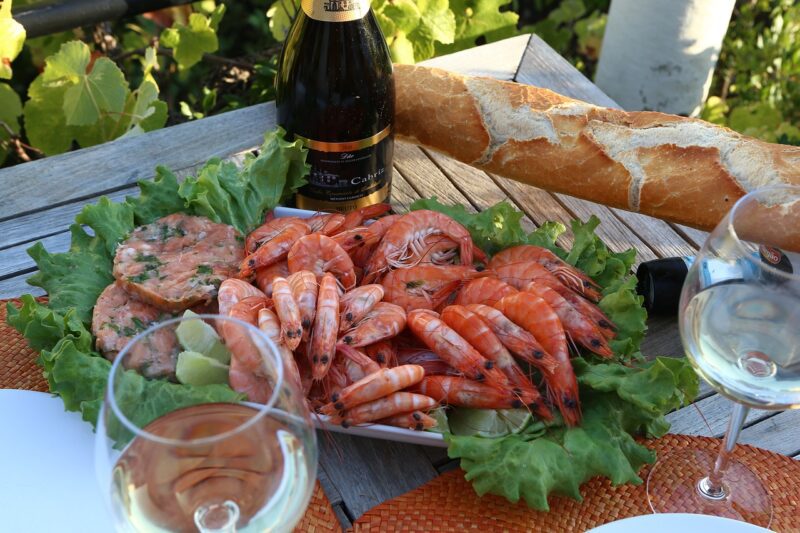
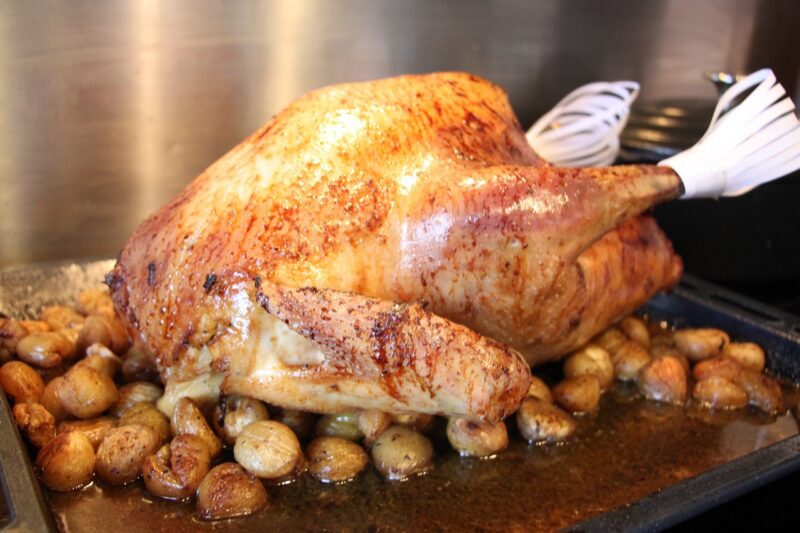
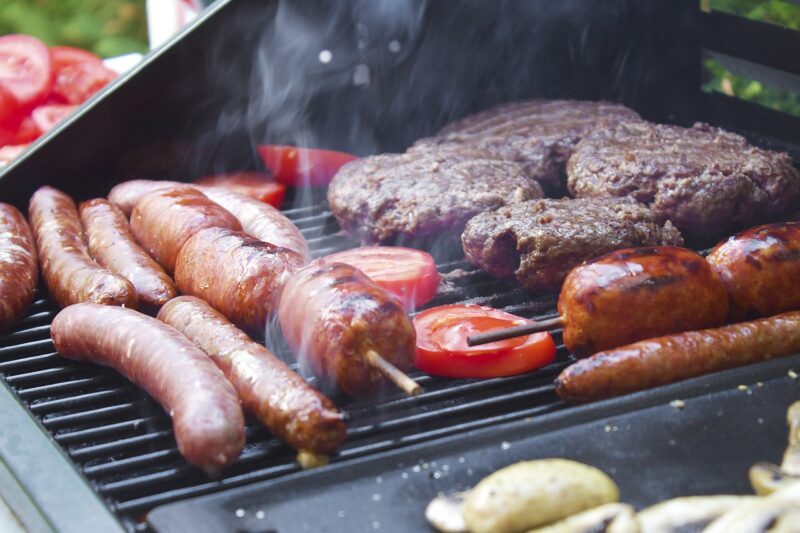
If the table is ordering oysters, grilled fish, or a light starter, that pushes you in one direction. If it is steak, lamb, duck, mushroom dishes, or rich sauces, that pushes you in another. If the table is mixed, then versatility starts to matter more than a “perfect” pairing for one plate.
Pairing gets much easier when you think about the sauce and cooking method, not just the main ingredient. Creamy sauce, tomato sauce, butter, spice, char, herbs, and sweetness all shape the right choice. If you want the broader framework behind that, our guide to food and wine pairing basics is the best companion piece.
How most wine lists are structured
Once you know what the table needs, the wine list becomes easier to scan. Most restaurant lists are built in one of three main ways: by color and style, by region, or by grape variety.
Lists organized by style
This is the easiest format for most diners. Sparkling, white, rosé, red, dessert, and fortified wines are grouped clearly, sometimes with lighter wines first and fuller wines later. If you already know you want a fresh white or a medium-bodied red, this kind of list is simple to use.
Lists organized by region
This is where some people panic, especially with French and Italian lists. But region-based lists are not there to confuse you. They reflect how many classic wine cultures talk about wine. Instead of leading with grape variety, they lead with place.
If you already know that you like white Burgundy, Rioja, Chianti, Mosel Riesling, or Loire Sauvignon Blanc, a region-based list can actually be very efficient. If you do not, then spotting a few familiar areas is still enough to narrow things down.
Lists organized by grape variety
This is the most beginner-friendly format because it starts from names many diners already know: Chardonnay, Sauvignon Blanc, Riesling, Pinot Noir, Syrah, Cabernet Sauvignon, and so on. If the restaurant gives you grape-led sections, use that. There is no prize for making the process harder than it needs to be.
If you want to get more comfortable with the grapes that show up most often on restaurant lists, keep our overview of the world’s most important wine grape varieties handy.
How to read beyond the producer name
A lot of restaurant wine lists feel cryptic because they rely on producer names more than descriptors. That can be frustrating, but there are still clues you can use even when the list is sparse.
Look for region first
Even if the producer means nothing to you, the region often tells you something useful. Chablis suggests a fresher, more mineral Chardonnay style. Barossa hints at richer, fuller reds. Mosel points you toward lighter, high-acid Riesling. Chianti gives you a strong clue that acidity and food-friendliness are coming with the bottle.
Notice vintage, but do not obsess
Vintage matters more with some wines than others, but it is rarely the first thing a normal diner needs to worry about. Focus on style first. A server or sommelier can tell you if the current vintage is especially lean, rich, young, or ready to drink.
Use descriptive keywords when they exist
If the list includes short notes like “citrusy,” “mineral,” “full-bodied,” “earthy,” “ripe,” or “oaky,” those are there to help you. They may not tell the whole story, but they are often enough to point you in the right direction. If you are still unsure what certain wine terms really mean, our wine glossary is useful for decoding the language without the fluff.
How to use price without letting it control the whole decision
Restaurant pricing can make people self-conscious, and that is exactly when bad decisions happen. Some diners lock onto the cheapest section and hope for the best. Others overspend because they think a higher number will save them from embarrassment. Neither approach is especially smart.
A better approach is to set a rough ceiling early and work within it. That gives you structure without making price the only factor. In many restaurants, the sweet spot is somewhere below the prestige section but above the obvious entry-level filler. Not always, but often.
The famous idea that restaurants load heavy margins onto the cheapest bottle and therefore push diners into choosing the second-cheapest is not universally true. Sometimes the cheapest wine is perfectly fine. Sometimes the best value sits in the middle. Sometimes a sommelier knows there is one bottle just above your original budget that massively outperforms its price. The point is not to play a fixed trick. It is to ask better questions.
A very useful line is this: “We’re looking for something around this price that drinks a little fresher and less oaky,” or “around this price, what overdelivers with these dishes?” That is practical and gives the staff something real to work with.
Wine by the glass or bottle?
Wine by the glass is great when people at the table are ordering very different dishes, when you want flexibility, or when only one person is drinking wine. It is also a good way to try a style you are curious about without committing to a full bottle.
A bottle usually makes more sense when several people are sharing, when the dishes are broadly compatible, or when you want better value across the table. Restaurants often have tighter selections by the glass and stronger range by the bottle, so the bottle list may simply give you better options.
There is also nothing wrong with mixing approaches. Sparkling by the glass to start, then a bottle with the main course, is often the most enjoyable route rather than trying to force one wine through the whole meal.
How to ask the sommelier the right question
The sommelier or wine-savvy server can be the most helpful person in the room, but only if you give them something useful to work with. The least useful question is “What’s your best wine?” That could mean anything. Best for what? Best for whom? Best at which price?
Better questions are more specific:
- “We’re ordering fish and chicken. Could you suggest a bottle around this price that works for both?”
- “I usually like Pinot Noir and lighter reds. Is there something in that direction here?”
- “We want a white that feels fresh and not too oaky.”
- “What do you think is the best value red on the list with lamb?”
That kind of question makes life easier for everyone. It also makes you look more confident, not less, because you are communicating preference rather than performing knowledge.
And yes, it is completely fine to say what you do not want. “Nothing too sweet,” “nothing too heavy,” “nothing too funky,” or “nothing very high in alcohol” are all useful signals.
If you are curious what sommeliers are actually trained to think about, our guide on how to become a sommelier gives a good look at that world.
How to pair wine with what you ordered
You do not need to overcomplicate pairing in a restaurant. A few principles carry most of the weight.
Acid helps more often than people think
High-acid wines are some of the easiest restaurant choices because they stay lively with food. They can refresh fried dishes, cut through cream, and work well with seafood, salads, herbs, and tomato-based plates.
Tannin needs the right food
Structured reds like Cabernet Sauvignon or Syrah usually perform better when there is enough fat, salt, and protein on the plate. Steak, lamb, richer pasta, roast meats, and some mushroom dishes give those wines something to work with.
Match weight with weight
A very delicate wine beside a heavy dish can disappear. A giant wine beside a light dish can feel clumsy. This is one of the simplest and most useful rules on any wine list.
Do not forget serving temperature
Even a good bottle can feel wrong if served too warm or too cold. If a red seems flat and alcoholic, or a white seems muted and lifeless, temperature may be part of the problem. Our guide to wine serving temperatures explains why that matters more than many diners realise.
If you want dish-by-dish examples instead of general rules, see our guide to wine pairings for specific dishes.
Common restaurant wine list mistakes
Choosing only by familiarity
It is natural to reach for the one grape you know, but that can limit you. If you always default to Sauvignon Blanc or Malbec, you might miss something that fits the meal even better and costs less.
Ignoring the food because the wine sounds exciting
A bottle can be impressive and still be the wrong match for the table. This happens a lot when one person falls in love with a big red while half the table is eating seafood.
Ordering the biggest bottle for status
Heavier and more expensive does not mean better for dinner. It often just means heavier and more expensive.
Forgetting that everyone at the table matters
If you are sharing a bottle, think about the whole spread. Sometimes the best restaurant choice is not the perfect match for one plate but the best compromise for four.
Pretending to know more than you do
This is the easiest way to end up with the wrong wine. Honest, specific preference beats fake expertise every time.
How to order with confidence without pretending
Real confidence on a restaurant wine list is not about reciting producer names from memory. It is about knowing how to narrow the field quickly and ask for the right help. If you can say “we want something fresh, dry, and good with seafood around this price,” you are already doing well. If you can recognise a few grapes, a few regions, and the effect of things like acidity, oak, and body, you are doing even better.
It also helps to build your own reference points over time. The more you taste, the easier restaurant lists become because names start connecting to real experiences. Our guide to wine tasting is useful here because tasting with more structure makes future ordering far easier.
You do not need to turn dinner into homework. You just need enough awareness to avoid random choices and enough confidence to communicate clearly. That is the real trick with restaurant wine lists. Not acting like an expert, but making smart choices without the stress.
Ordering wine should feel easier, not more dramatic
A good restaurant wine list should help the meal, not overshadow it. Once you start with the food, set the budget, scan for the style you want, and ask one or two practical questions, the whole thing becomes much more manageable. That is true whether you are ordering Muscadet with oysters, Pinot Noir with duck, Chianti with pasta, or simply asking for a crisp white that works across a few plates.
The best outcome is not just finding a “good” bottle. It is finding the right bottle for that table, that meal, and that moment. And once you do that a few times, restaurant wine lists stop feeling intimidating very quickly.
Read next
- Food and Wine Pairing Explained: The Rules That Actually Help
- The Complete Wine-Lingo Glossary
- The World’s Most Important Wine Grape Varieties: Red and White Grapes Explained
Last updated: