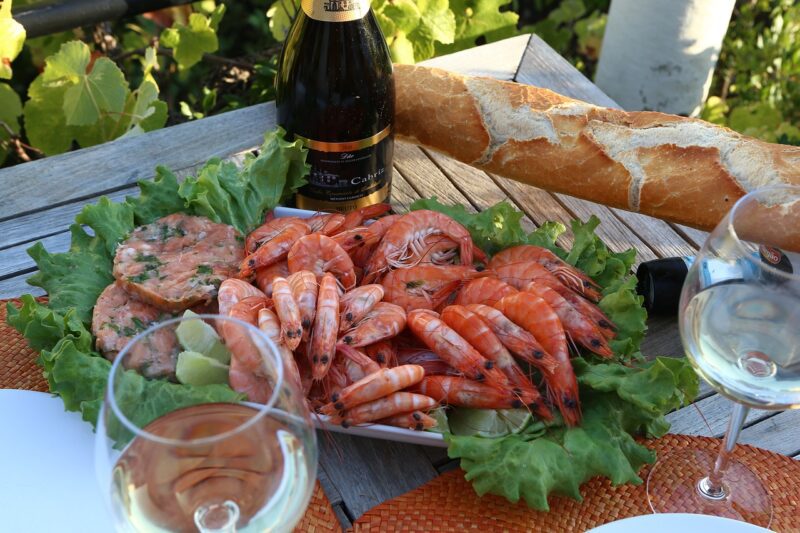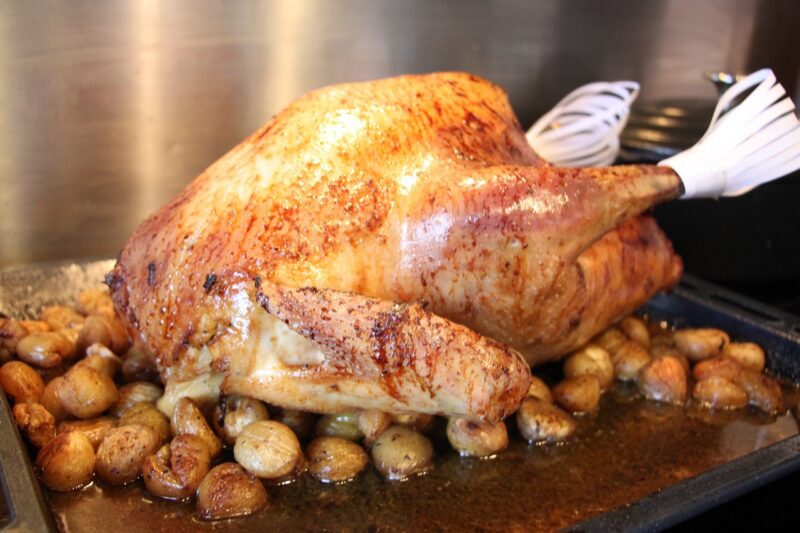
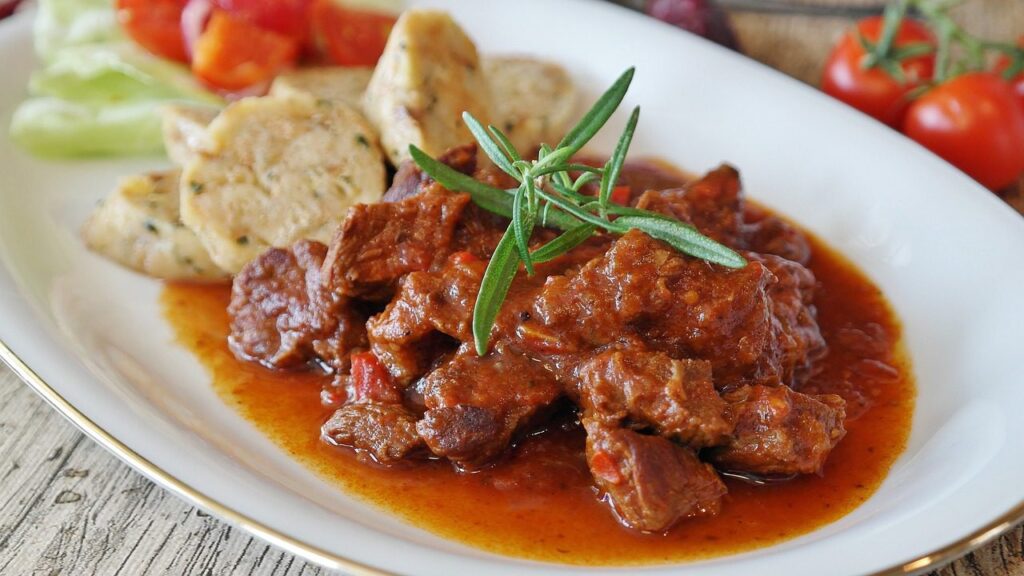
Cooking with wine works best when you think of wine as an ingredient, not just a splash of something fancy. It can add acidity, depth, aroma, sweetness, bitterness, or richness depending on the style you use and the way you cook it. Used well, wine can make sauces taste more layered, stews feel deeper, and simple pan dishes feel much more complete. Used badly, it can make food taste harsh, sour, or oddly flat.
That is why cooking with wine is less about showing off and more about understanding what the wine is actually doing in the dish. Red wine can give body and savory depth to braises and reductions. White wine can brighten seafood, chicken, pasta, and cream sauces. Fortified wines can add sweetness, nuttiness, and concentration. Once you understand those roles, wine becomes one of the most useful ingredients in the kitchen.
Key takeaways
- Wine adds acidity, aroma, and depth to both savory and sweet dishes.
- Red wine usually suits richer meats and deeper sauces, while white wine is often better with seafood, chicken, and lighter dishes.
- You should cook with wine you would actually drink, not poor-quality “cooking wine.”
- Deglazing, braising, reducing, marinating, and poaching are the most useful cooking techniques involving wine.
- Wine should support the dish, not dominate it.
Table of contents
- Why cook with wine at all?
- How to choose the right wine for cooking
- When to use red, white, or fortified wine
- The best cooking techniques for wine
- Common cooking-with-wine mistakes
- What wines work best in real dishes
- Can wine work in desserts?
- Practical rules that make cooking with wine easier
Why cook with wine at all?
Wine does several useful things in cooking. First, it brings acidity, which helps lift rich dishes and balance fat, cream, butter, and slow-cooked meat. Second, it contributes aroma and flavor compounds that water or stock alone cannot provide. Third, it can help connect the flavors in a dish, especially when you are building sauces or braises that need more complexity.
This is why wine shows up so often in classic European cooking. It is not there just because the dish sounds elegant. It is there because the wine changes the shape of the flavor. A pan sauce made with stock alone can be good. A pan sauce with the right wine added often feels more complete, more aromatic, and more interesting.
Wine is also useful because it behaves differently depending on how you cook it. A quick splash for deglazing gives one result. A long simmer in a braise gives another. A reduced fortified wine sauce gives something else entirely. The wine you choose matters, but so does the role you want it to play.
How to choose the right wine for cooking
The simplest rule is still the best one: cook with wine you would be willing to drink. It does not have to be expensive, but it should not be unpleasant. Bad wine does not become good because you heated it. If the wine tastes harsh, overly sweet, or chemically strange in the glass, that will not help the food.
Avoid “cooking wine”
Bottles sold specifically as cooking wine are usually a poor choice. They often contain added salt and lack the balance and freshness that make wine useful in actual food. Proper wine gives you acidity, fruit, bitterness, and depth in balance. Cooking wine usually just gives you a shortcut to disappointment.
Think about dryness first
For most savory cooking, dry wine is the safest choice. Sweet wines can work beautifully in the right dish, but they change the balance much faster and can easily make a savory sauce taste clumsy if used carelessly.
Do not overspend
You do not need to pour a special bottle into a stew. Once wine is reduced, combined with fat, stock, herbs, garlic, onions, or cream, the fine differences between an ordinary sound bottle and a much more expensive one usually matter far less than people think. Good everyday wine is enough.
When to use red, white, or fortified wine
Red wine
Red wine works best when the dish already has weight and savory depth. Beef, lamb, short ribs, mushrooms, dark sauces, and slow braises are natural fits. The wine brings structure, darker fruit, and a more grounded, robust feel. If you reduce it properly, it can become rich and glossy rather than sharp.
For deeper background on how red wine gets that structure in the first place, see our guide to red wine production.
White wine
White wine is usually the more flexible kitchen wine. It works especially well with chicken, seafood, shellfish, risotto, creamy pasta sauces, and lighter vegetable dishes. Its acidity can cut through richness while keeping the dish bright. This is why white wine often feels more natural than red in many everyday recipes.
If you want the style background behind those lighter profiles, our article on white wine production is a useful companion.
Fortified wine
Fortified wines like Port, Madeira, Marsala, and Sherry are some of the most underrated cooking tools in the kitchen. They bring intensity quickly. A little can go a long way. Madeira and Marsala are especially strong for savory sauces and reductions. Port can work beautifully in richer sauces or desserts. Sherry can be excellent with mushrooms, chicken, seafood, and nuttier or more savory dishes.
These wines are not just substitutes for ordinary table wine. They are ingredients with their own personality, and they often create a more concentrated result.
The best cooking techniques for wine
Deglazing
This is one of the most useful kitchen techniques involving wine. After searing meat, fish, or vegetables, the browned bits in the pan hold a huge amount of flavor. Wine helps dissolve that caramelized layer and turns it into the base of a sauce. White wine is excellent for chicken, fish, and lighter sauces. Red wine works better for darker meat dishes and richer pan sauces.
Reducing
When wine is simmered down, its flavor becomes more concentrated. This is where wine stops feeling like a background liquid and starts becoming part of the identity of the sauce. Red wine reductions can be excellent with steak or braised meat. White wine reductions work well with seafood, butter sauces, and cream-based dishes. Fortified wines can become intensely flavorful glazes or finishing sauces.
Braising
Braising is where wine can really shine. In long cooking, wine integrates with stock, meat juices, vegetables, and aromatics and becomes part of the entire dish rather than sitting on top of it. This is why dishes like beef bourguignon and coq au vin feel so complete when done properly. The wine is not just added. It becomes part of the structure of the dish.
Marinating
Wine can also work in marinades, especially for meats that benefit from extra flavor and some help from acidity. That said, marinades are often overhyped. Wine can contribute aroma and brightness, but it will not magically transform everything if the rest of the marinade is poor or if the meat is overdone later.
Poaching
White wine is especially useful in poaching liquids for fish, chicken, pears, and some fruit desserts. It adds acidity and aroma without the heaviness of a full sauce, which makes it a good tool when you want elegance rather than intensity.
Common cooking-with-wine mistakes
Using bad wine
This is the biggest one. Poor wine gives poor results. The dish may hide some flaws, but it will not erase them.
Adding too much wine
More is not always better. Too much wine can make a dish taste harsh, sour, or unbalanced, especially if it is not reduced properly.
Not cooking it long enough
Raw wine flavor is often sharp and disjointed. In many dishes, the wine needs time to integrate. If you rush it, the sauce may taste alcoholic or unfinished.
Using sweet wine by accident
A slightly off-dry or fruity wine can sometimes work, but clearly sweet wine in a savory dish can throw everything off unless that sweetness is part of the plan.
Pairing the wrong style with the dish
Heavy red wine in a delicate seafood dish usually feels awkward. Crisp white wine in a dark beef braise usually feels too thin. The dish should guide the choice.
What wines work best in real dishes
Red wine with slow-cooked meat
Beef stews, short ribs, lamb shanks, and similar dishes usually benefit from dry red wine because the wine supports the richness of the meat and the longer cooking gives it time to settle into the sauce.
White wine with seafood and chicken
White wine is often the easiest choice for pan sauces, shellfish dishes, risotto, cream sauces, and lighter braises. It gives lift without darkening the dish too much.
Fortified wine with mushrooms and richer sauces
Madeira, Marsala, and Sherry can be outstanding when you want savory depth quickly. They are especially good with mushrooms, onion-rich sauces, and deeper restaurant-style reductions.
If you want the wine-and-food side more generally, see our guide to food and wine pairing basics.
Can wine work in desserts?
Yes, but it needs a clear purpose. Wine can work beautifully in poached fruit, syrups, reductions, and richer desserts where it adds depth rather than just moisture. Red wine can pair well with berries, pears, plums, dark chocolate, and spices. Fortified wines can work especially well in dessert sauces and richer baked dishes.
Where people go wrong is assuming that because a wine tastes nice in the glass, it will automatically improve a dessert. Sweetness, acidity, bitterness, and tannin all matter here too. The wine needs to support the dessert, not fight it.
Practical rules that make cooking with wine easier
- Use dry wine for most savory dishes unless you have a clear reason not to.
- Match the weight of the wine to the weight of the dish.
- Reduce wine properly before judging the sauce.
- Use fortified wines when you want quick concentration and complexity.
- Do not use special bottles when a sound everyday wine will do.
These rules are simple, but they solve most of the common mistakes. Cooking with wine does not need to feel intimidating. It just needs a bit of logic.
Why wine works so well in the kitchen
Wine works in cooking because it adds things that are hard to get from water, stock, or cream alone. It brings acidity, aroma, bitterness, fruit, and depth in one ingredient. That is why it can make sauces brighter, stews deeper, and desserts more layered. Used with restraint, it gives food shape and elegance rather than just extra liquid.
The trick is not to treat wine as a gimmick. It is an ingredient with a job to do. Once you start choosing the wine based on the dish and using it with a bit more intention, cooking with wine stops feeling like a restaurant trick and starts becoming one of the most useful tools in your kitchen.
Read next
- Food and Wine Pairing Explained: The Rules That Actually Help
- Best Wine Pairings for Specific Dishes
- Best Wine Cocktail Recipes: Easy Sangria, Spritz, Rosé Fizz, Mulled Wine, and Sparkling Drinks
Last updated: