BBQ is one of the trickiest meals to pair with wine well, because barbecue is never just one flavor. You are dealing with smoke, salt, char, fat, spice, sweetness, acid, and often a sauce that changes the whole equation. A dry-rubbed brisket does not behave like sticky ribs. Grilled chicken with herbs does not need the same bottle as smoky pulled pork. Seafood on the grill is a completely different story again. That is why there is no single “best wine for BBQ.”
The good news is that barbecue is much more wine-friendly than people often assume. You do not have to default to beer every time the grill comes out. The trick is to pair to the dominant flavor on the plate, not just the protein. Sweet sauce usually wants fruit. Fatty meats can handle more structure. Spicy glaze often works better with softer tannins or a little sweetness. Fresh herbs and citrus shift things toward brighter, higher-acid wines. Once you start thinking that way, BBQ and wine become a lot easier to get right.
If you want the broader logic behind all of this, our guide to food and wine pairing basics is the best place to start. But if the goal is simple, practical barbecue pairings, here is what actually works.
Key takeaways
- The sauce, rub, and cooking style often matter more than the meat itself.
- Fruit-forward reds like Zinfandel, Syrah, and Malbec are some of the most reliable BBQ wines.
- Cabernet Sauvignon works best when the meat is rich and the sauce is not too sweet.
- Riesling and aromatic whites are great with spicy BBQ, glazed meats, and grilled chicken.
- For seafood and lighter herb-driven grilling, go fresher and lighter rather than heavier and oakier.
Table of contents
- How to think about BBQ wine pairing
- What matters most: smoke, sauce, spice, and fat
- Best red wines for BBQ
- Best white and rosé options for BBQ
- Pairing by BBQ style and dish
- Quick BBQ wine cheat sheet
- Common BBQ wine pairing mistakes
How to think about BBQ wine pairing
The first thing to remember is that barbecue is not one cuisine. Texas brisket, Kansas City ribs, Korean bulgogi, Argentine asado, Mediterranean lamb skewers, grilled prawns, and sticky barbecue chicken are all “BBQ,” but they do not want the same bottle. Pairing wine with barbecue works best when you ask a few simple questions before choosing anything.
Is the food smoky or just grilled? Is the sauce sweet, spicy, tangy, or barely there? Is the main impression rich fat, peppery char, sticky glaze, fresh herbs, or citrus? Once you identify what leads the plate, the wine choice usually becomes clearer. Smoke and char tend to like fruit and a little spice in the wine. Sweet sauce often wants lower tannin and more generosity. Acidic sauces can make big tannic reds feel harder. Spice usually pushes you toward softer reds or aromatic whites rather than the most structured bottle you own.
That is also why barbecue often rewards practical pairing more than prestige pairing. A polished, expensive old red is not automatically a better match than a juicy bottle with enough fruit and freshness to keep up with the grill.
What matters most: smoke, sauce, spice, and fat
Smoke and char
Smoke changes everything. It adds bitterness, depth, and savory weight. A wine with ripe fruit can soften that edge and stop the meal from feeling too dry or harsh. This is one reason why fruit-forward reds are so useful for barbecue. They give the smoke something to bounce off.
Sweet barbecue sauce
Sticky sauces can make tannic wines feel more aggressive and less balanced. If the sauce has molasses, brown sugar, honey, or a lot of tomato sweetness, very firm reds can start to feel awkward. In those cases, a rounder, juicier red usually works better than a stern one.
Spice and heat
Spicy barbecue is where many people reach for the wrong red. High alcohol and heavy tannin can make heat feel hotter. That is why spiced wings, spicy glazes, or chili-heavy marinades often work better with softer reds or a white with some aromatic lift.
Fat and richness
Brisket, sausages, ribs, and marbled steaks can absolutely handle structure. Fat gives you more room to use fuller wines because it softens tannin and makes firmer reds feel smoother. But even here, balance matters. If the meat is rich and the sauce is also sweet, the wine still needs enough fruit to stay friendly.
Best red wines for BBQ
Zinfandel: the classic BBQ red
Zinfandel is one of the most reliable wines for classic American barbecue. It has the ripe fruit to handle sweet sauces, enough body for ribs and pulled pork, and often a peppery edge that works well with char and spice. It is especially good when the barbecue is smoky, sticky, and just a little messy. This is the bottle that usually feels “right” with ribs, burgers, sausages, and many red-sauce barbecue styles.
Syrah/Shiraz: smoky, peppery, and grill-friendly
Syrah, or Shiraz depending on style and origin, is one of the most natural partners for grilled meat. Pepper, dark fruit, smoky notes, and solid body make it especially good with lamb, beef, and spice-rubbed meats. If the barbecue has blackened edges, char, pepper, or a savory crust rather than a sugary sauce, Syrah often makes more sense than Zinfandel.
Malbec: ideal for grilled beef
Malbec is one of the easiest matches for beef-heavy grilling, especially when the meat is the star and the sauce is minimal. It has enough fruit to stay generous and enough structure to work with steaks, beef ribs, and grilled cuts served with herbs or chimichurri. It is a particularly natural fit for asado-style barbecue, where the flavor comes more from the grill and the meat than from sticky sauce.
Cabernet Sauvignon: best with the richest cuts
Cabernet Sauvignon can work beautifully with barbecue, but it is not the answer to everything off the grill. It works best when the meat is rich enough to tame the tannins, and when the sauce is not too sweet. Brisket, beef ribs, and thick grilled steaks are where Cabernet makes the most sense. If the plate is sticky, sweet, and glazed, Cabernet can feel too rigid unless the wine is especially ripe and generous.
Sangiovese and other brighter reds
Not all barbecue needs a big, dark red. When the food leans more Mediterranean, with lamb, grilled vegetables, olive oil, herbs, and tomato-based elements, brighter reds with good acidity can be a better fit. Sangiovese is a very good example. It can bring enough freshness to cut through grilled food while still having enough grip for lamb, pork, or vegetables with char.
Best white and rosé options for BBQ
Riesling: the smart choice for spicy or glazed BBQ
Riesling is one of the most underrated barbecue wines. A dry or slightly off-dry Riesling can be brilliant with spicy chicken, glazed pork, sweet-and-savory barbecue sauces, and grilled dishes that have heat or ginger or chili in the mix. The acidity keeps things fresh, and a little fruit sweetness can calm the fire better than many reds can.
Gewürztraminer: better than people expect with spice
Gewürztraminer is not for every barbecue table, but it can be excellent when the food is aromatic, spicy, or Asian-influenced. Think sticky wings, spicy chicken skewers, or pork with sweet-spicy glaze. Its floral, exotic profile sounds risky on paper, but with the right food it works very well.
Rosé and lighter options
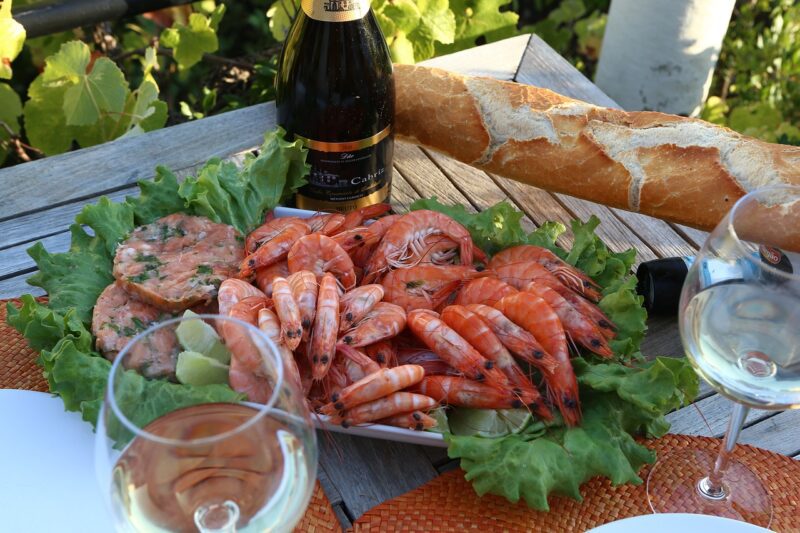
Rosé is often a safer barbecue wine than many people realize. It can bridge grilled chicken, sausages, shrimp, vegetables, and side dishes without dominating anything. It is especially useful when the grill is serving a mix of foods and one bottle needs to cover a lot of ground.
Seafood on the grill
Grilled fish and seafood belong in a different barbecue category altogether. Here, freshness matters more than weight. For prawns, grilled fish, or lighter seafood skewers, go brighter and cleaner. If you want more help with that part of the grill menu, our fish and seafood pairing guide goes into much more detail.
Pairing by BBQ style and dish
Texas brisket and beef ribs
Smoky brisket and beef ribs usually want a red with real substance. Cabernet Sauvignon, Syrah, and Malbec are all strong candidates depending on the sauce situation. If the meat is mostly dry-rubbed and smoke-driven, Syrah can be especially good. If the focus is beef richness and a more classic steakhouse feel, Cabernet can step in. If you want a softer, more crowd-friendly route, Malbec is often the easiest call.
Kansas City ribs and sweeter sauce-driven BBQ
This is where Zinfandel shines. Sweet tomato-based sauces, charred edges, pork richness, and spice all point toward a red with ripe fruit and warmth rather than strict tannin. If you open a very structured wine here, the sauce can make it feel harder than it really is.
Pulled pork
Pulled pork is more flexible than brisket because the texture is softer and the flavor can swing from smoky to tangy to sweet depending on the sauce. Zinfandel works very well. So can Pinot Noir if the style is lighter and less sugary. If there is heat in the sauce, Riesling becomes a serious option too.
Sausages and burgers
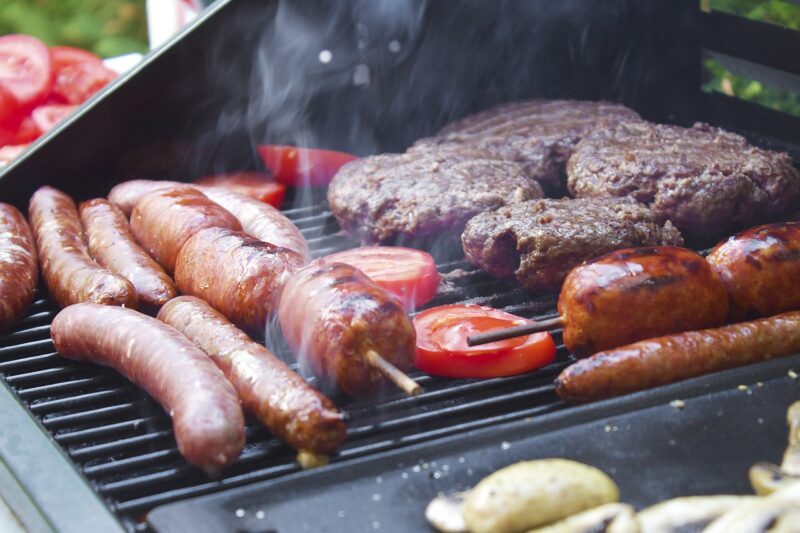
Burgers and sausages are often easier than people make them. They usually want fruit, freshness, and enough body to handle grill flavor without needing a very formal pairing. Zinfandel and Syrah are strong choices here. Rosé can also work well if the barbecue is more casual and the table includes salads, buns, sauces, and side dishes that pull in different directions.
Grilled chicken
Chicken depends heavily on marinade and sauce. Plain herb-marinated chicken can handle a lighter red, rosé, or even a bright white. Sticky barbecue chicken with sweetness and smoke often works better with Riesling, rosé, or a softer red than with something stern and tannic. Spicy grilled chicken is where aromatic whites really start to make sense.
Lamb chops and Mediterranean grilling
Lamb with rosemary, garlic, lemon, and olive oil usually wants a different wine from sweet-sauce barbecue. This is where Syrah and Sangiovese come into their own. The herbs, char, and savory depth of grilled lamb make those wines feel very natural. If the grill spread also includes vegetables and lighter sides, a fresher red is often a smarter choice than the biggest bottle you have.
Asian-style BBQ
Korean, Japanese, and other Asian-inspired barbecue styles often combine sweetness, umami, sesame, soy, garlic, and chili. That means balance matters more than sheer power. Syrah can work very well with beef-based dishes. Riesling and Gewürztraminer can be excellent with spicy chicken or pork. If the food includes grilled seafood or lighter skewers, a chillable rosé or fresh white may be a better fit than a full-bodied red.
Vegetables, halloumi, and mixed grill platters
Not every barbecue is built around brisket. Grilled peppers, mushrooms, aubergine, courgette, corn, halloumi, and skewers with herbs and lemon all pair better with fresher wines. Rosé is one of the easiest answers. Sangiovese can work if the vegetables are charred and savory. Aromatic whites can work if there is spice or sweetness. Mixed platters are often where a versatile bottle beats the “perfect” bottle for one item.
If you want a broader dish-by-dish angle beyond barbecue, this pairing inspiration guide is useful too.
Quick BBQ wine cheat sheet
- Brisket: Cabernet Sauvignon, Syrah, Malbec
- Beef ribs: Syrah, Cabernet Sauvignon, Malbec
- Pulled pork: Zinfandel, Riesling
- Sticky pork ribs: Zinfandel
- Grilled burgers: Zinfandel, Syrah
- Spicy chicken: Riesling, Gewürztraminer
- Herb-marinated lamb: Syrah, Sangiovese
- Asian BBQ: Syrah for beef, Riesling or Gewürztraminer for spicy pork or chicken
- Seafood on the grill: fresh whites, rosé, lighter styles
- Vegetable skewers and mixed grills: rosé, brighter reds, fresh whites
Common BBQ wine pairing mistakes
The biggest mistake is ignoring the sauce. People pair to the meat and forget that barbecue sauce can completely change the wine match. Sweet sauce can make firm tannins feel harsher. Spicy glaze can make high alcohol feel hot. Tangy vinegar-based sauce can make low-acid wine seem flat.
The second mistake is going too heavy too fast. Not every grilled dish wants the biggest red on the shelf. Chicken, seafood, vegetables, and herb-led grilling are often better with fresher wines, lighter reds, rosé, or whites with real acidity.
The third mistake is assuming white wine cannot handle barbecue. It absolutely can, especially with spicy food, pork, chicken, seafood, and mixed summer tables. In some cases, white is simply the smarter pairing.
Good BBQ wine pairing is about the whole plate
That is really the core of it. Pairing wine with barbecue is not about memorising one bottle for one meat. It is about recognising what is actually happening on the plate. Smoke, sweetness, spice, fat, char, herbs, and sauce all matter. Once you pay attention to those things, barbecue stops being difficult and starts being one of the most enjoyable meals to pair.
If the food is smoky, rich, and sticky, start with fruit-forward reds like Zinfandel or Syrah. If the grill leans beef-heavy and sauce-light, think Malbec or Cabernet Sauvignon. If the barbecue is spicy, glazed, or more varied, give Riesling or aromatic whites a proper chance. And if the table is full of seafood, vegetables, and lighter grilled dishes, do not force a heavy red into the picture. The best bottle is the one that makes the whole meal taste better, not the one that sounds most impressive on its own.
Read next
- Learn How to Pair Food and Wine: In-Depth Guide
- Specific Food Dish & Wine Pairing Inspiration: In-Depth Guide
- Best Wine with Fish: How to Pair Seafood Like a Pro
Last updated: