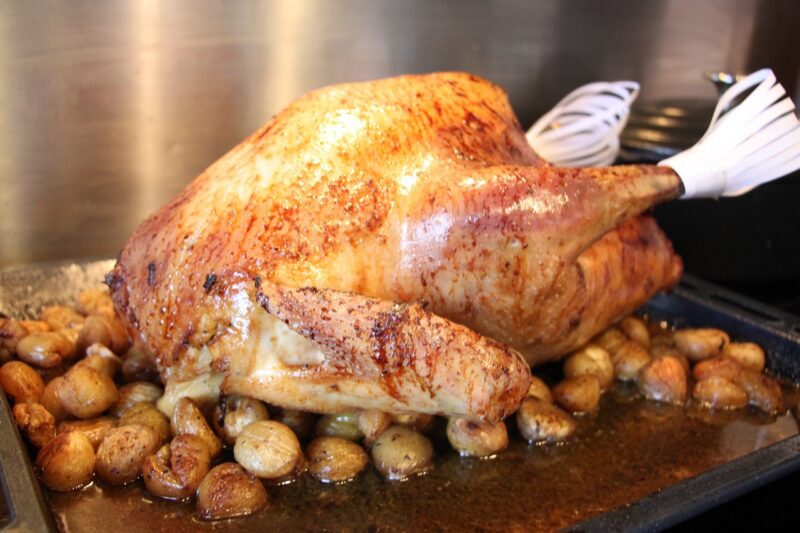
The best holiday wine pairings are usually the ones that handle more than one dish at once. That matters because holiday meals are rarely just about the main protein. Turkey comes with stuffing, gravy, cranberry sauce, and roast vegetables. Ham comes with sweetness, salt, and glaze. Hanukkah tables mix fried food with brisket and sides. New Year’s Eve often means seafood, canapés, salty snacks, and bubbles. So the smartest bottles are the ones that can move across a whole table without falling apart.
That is why certain wines keep showing up year after year. Pinot Noir is one of the safest holiday reds because it has enough fruit and acidity to handle poultry, mushrooms, and many side dishes without bullying them. Riesling is one of the easiest whites for glazed, spicy, or sweet-savory holiday food. For richer beef dishes, Cabernet Sauvignon still earns its place. And when the menu is all over the place, sparkling wine often solves more problems than people expect.
Key takeaways
- Holiday wine pairing works best when you match the whole plate, not just the main meat.
- Pinot Noir is one of the most versatile holiday reds for turkey, duck, mushrooms, and roasted vegetables.
- Riesling is a strong pick for ham, spicy dishes, sweet glazes, and tables with a lot of contrasting flavors.
- Sparkling wine is one of the safest all-purpose choices for appetizers, fried food, seafood, and party snacks.
- For richer meals like prime rib, brisket, or barbecue, fuller reds such as Cabernet Sauvignon and Zinfandel make more sense.
Table of contents
- How to think about holiday wine pairing
- Thanksgiving wine pairings
- Christmas and winter feast pairings
- Hanukkah wine pairings
- New Year’s Eve pairings
- Easter brunch and spring holiday pairings
- Summer holiday and barbecue pairings
- Vegetarian holiday table pairings
- Quick holiday pairing cheat sheet
- Common holiday pairing mistakes
How to think about holiday wine pairing without overcomplicating it
The biggest mistake people make with holiday wine pairing is focusing too narrowly on the centerpiece. In real life, the sauce, glaze, herbs, sweetness, and side dishes often matter more than the meat itself. A dry turkey breast is mild. The stuffing, gravy, cranberry sauce, butter, roasted onions, and sweet potatoes are what create the real challenge. The same goes for ham. It is not just pork. It is salt, sweetness, smoke, glaze, and texture all at once.
That is why holiday wine pairing is really about balance. You want enough acidity to keep the meal from feeling heavy, enough fruit to stay friendly, and enough structure to stand up to the richest parts of the plate. For a broader framework, see our guide to food and wine pairing basics. And if you are pairing for one specific dish rather than a full holiday spread, this dish-by-dish pairing guide is useful too.
As a rule, wines that are too oaky, too tannic, or too alcoholic can get awkward fast on a mixed holiday table. You do not need the most powerful bottle. You need the one that still tastes good with the fifth different bite on the plate.
Thanksgiving: the best wines for a table full of different flavors
Thanksgiving is one of the hardest meals to pair perfectly because the table pulls in several directions at once. Turkey is lean and fairly mild, but stuffing can be savory and herb-heavy, cranberry sauce brings sweetness and acidity, gravy adds richness, and sides like squash or sweet potatoes can shift the whole plate into sweeter territory. That is why one flexible wine usually works better than one “big” wine.
Why Pinot Noir works so well
Pinot Noir is the classic Thanksgiving answer for a reason. It has enough freshness to cut through richer sides, enough red-fruit character to play nicely with cranberry sauce, and soft enough tannins that it will not crush turkey. It also tends to handle mushrooms, roasted vegetables, and herb-driven stuffing better than more aggressive reds. If your Thanksgiving table includes earthy or savory sides, Pinot Noir is often the easiest red to open without much risk.
Riesling is the smart white choice
If you prefer white wine, Riesling is one of the best options on the whole holiday calendar. Dry or just slightly off-dry Riesling can handle turkey, sweet-savory sauces, and spiced sides better than many heavier whites. The acidity keeps the wine lively, and a touch of sweetness can be a real advantage when the plate includes cranberry sauce, glazed carrots, or sweet potato dishes.
Other good Thanksgiving options
A lighter Chardonnay can work well if the meal leans more buttery and savory than sweet. Beaujolais is another easy crowd-pleaser if you want something juicy and uncomplicated. But if you want one safe answer that fits most Thanksgiving tables, Pinot Noir still deserves the top spot.
Christmas and winter feasts: richer dishes need firmer wines
Christmas meals usually move a little heavier than Thanksgiving. Prime rib, roast beef, lamb, duck, and glazed ham all ask for more body and more structure, though not necessarily more weight for the sake of it. This is where matching the main dish matters more, because the centerpiece is often richer and more dominant.
Prime rib and roast beef
For prime rib or roast beef, Cabernet Sauvignon makes obvious sense. The tannin, dark fruit, and structure work with the fat and protein in the meat, and the wine feels comfortable next to rosemary, pepper, garlic, and roasted edges. If the meal is especially rich, a firmer red is usually more satisfying than a softer one.
Syrah can also be excellent here, especially if the dish has a peppery crust or a darker, more savory tone. It often feels slightly more relaxed and food-driven than Cabernet on a holiday table, even when it is full-bodied.
Glazed ham is trickier than it looks
Ham catches people out because it combines salt, sweetness, and often smoke. That means the best pairing is not always the biggest red. Riesling is one of the safest picks because acidity and a hint of sweetness can handle the glaze without making the wine taste harsh. Pinot Noir also works well if you want a red, especially when the glaze is not too sugary.
If you want something fruitier and bolder, Zinfandel is a strong holiday ham wine. The ripe fruit and spice can match caramelized edges and sweeter glazes without feeling flat.
Duck and lamb
Duck usually wants freshness and a little elegance, which is why Pinot Noir is such a natural fit. Lamb can go in two directions. With simple roast lamb, Pinot Noir can still work, but a deeper red like Syrah often feels more convincing if the dish is more intense or herb-heavy.
Hanukkah: fried food, brisket, and wines with enough lift
Hanukkah pairing is not really one pairing. It is two. First, you have fried foods like latkes, which need brightness and refreshment. Then you have richer dishes like brisket, which need something with more depth and grip.
Latkes and other fried foods
For latkes, crisp whites and sparkling wines are usually your friends. Sparkling wine is especially good because the bubbles and acidity cut through oil and salt beautifully. Sauvignon Blanc is another strong option if you want something still. Its bright profile can make fried potato dishes feel lighter and cleaner.
If your Hanukkah spread includes smoked fish, dips, or lighter starters, a wine that behaves well with seafood also tends to work well here. Our fish and seafood pairing guide can help with those combinations.
Brisket and slow-cooked holiday dishes
Brisket wants a wine with more weight. Cabernet Sauvignon works, Merlot can work, and Zinfandel often works especially well when the brisket has sweetness, spice, or a darker glaze. You want enough fruit to keep the pairing generous, but enough structure to stop the whole meal from feeling heavy.
For a gentler, more flexible route, Pinot Noir can sometimes do the job if the brisket is less sweet and more savory. But in most cases, a fuller red will feel more natural.
New Year’s Eve: this is where sparkling wine earns its reputation
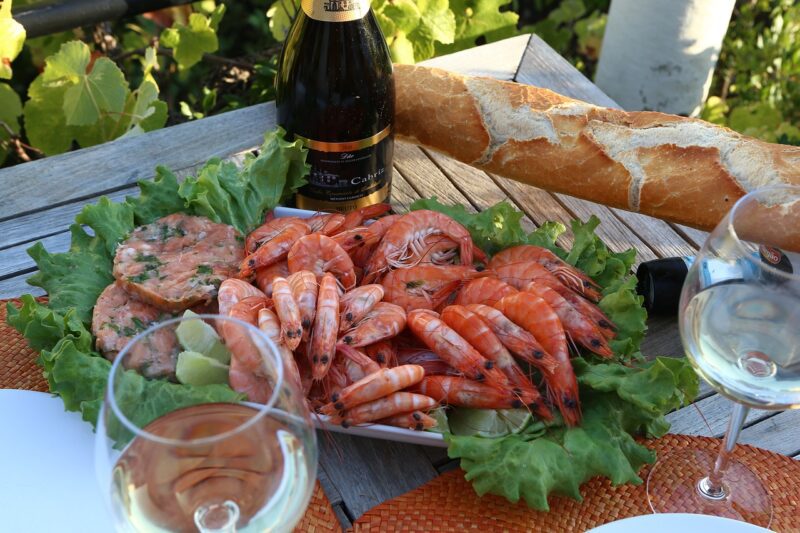
New Year’s Eve is the holiday where wine pairing gets easier, not harder. The reason is simple: sparkling wine handles party food extremely well. Salty snacks, fried bites, smoked salmon, oysters, canapés, creamy pastries, and hard cheeses all tend to benefit from bubbles and acidity. That is why Champagne became the classic celebration bottle in the first place. It does more than look festive. It works.
Champagne for the broadest range
Champagne is still the most versatile choice when the table includes seafood, fried appetizers, and richer finger food all at once. It can move from oysters to pastry to salty snacks without feeling out of place. A dry style is usually the easiest choice for mixed party food.
Prosecco and Cava as smart alternatives
Prosecco is a good option when the mood is lighter and fruitier. It is especially easy with simple appetizers, salty nibbles, and casual party food. Cava often feels slightly more savory and food-friendly, which can make it a better choice for charcuterie, fried snacks, and a more serious appetizer spread. In other words, if Prosecco feels breezy, Cava often feels more structured at the table.
If you are building a New Year’s table around seafood and aperitif-style food, sparkling wine is usually a better answer than a heavy still red.
Easter brunch and spring holidays: lighter food, brighter wines
Easter and other spring gatherings usually call for a lighter touch. Brunch dishes, egg dishes, smoked salmon, salads, quiche, asparagus, and fruit all push the meal toward fresher, brighter wines. This is not the moment for the biggest bottle in the house.
Rosé is more useful than people give it credit for
Dry rosé is one of the easiest spring holiday wines because it sits comfortably between white and red. It can handle smoked salmon, salads, quiche, roast chicken, and lighter ham dishes without looking awkward next to any of them. Sparkling rosé can be even better if the brunch leans festive.
Whites that work for brunch
Sauvignon Blanc is strong with greener, fresher dishes and lighter seafood. Riesling can work well if the brunch includes sweet-savory elements or ham. A lighter Chardonnay can also make sense with creamy egg dishes or richer bakes, though you generally want freshness more than oak here.
Summer holidays and barbecue: fruit, spice, and enough weight for the grill
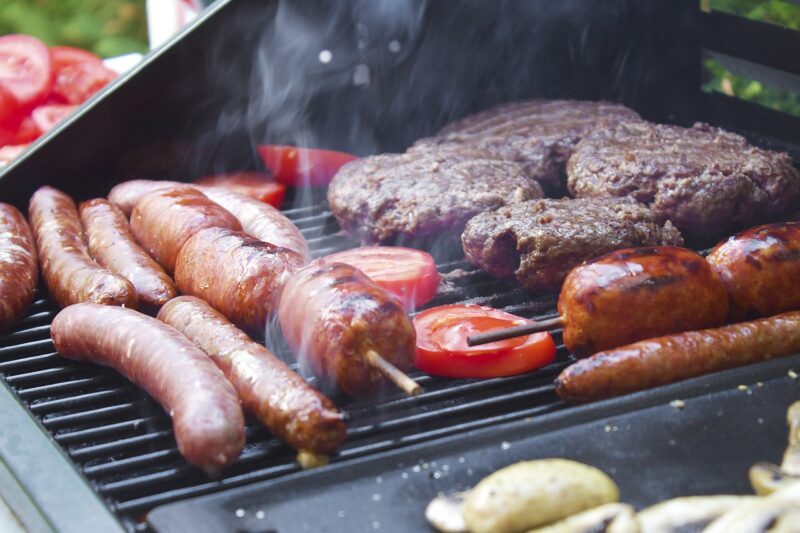
Holiday meals are not only winter affairs. Summer celebrations, backyard parties, and national holiday cookouts bring their own pairing problems. Smoke, char, spice rubs, barbecue sauce, burgers, sausages, and grilled chicken all pull wine in a different direction than turkey or ham.
Zinfandel is one of the classic answers because ripe fruit and spice match smoky, sweet, and savory barbecue flavors very naturally. It is especially good with ribs, burgers, sausages, and sauces that have some sweetness. For spicier food, a white with aromatics and a touch of softness can also be surprisingly good. Gewürztraminer is one of those grapes that can make more sense than people expect when barbecue turns spicy or sticky.
For a deeper look, read our BBQ and wine pairing guide.
Vegetarian holiday tables need flexibility, not brute force
Vegetarian holiday meals can be some of the most wine-friendly of all, but only if you pair to the actual dish rather than to the idea of “vegetarian food.” Mushrooms, lentils, squash, caramelized onions, chestnuts, herbs, cream sauces, and roasted root vegetables all ask for different things.
Pinot Noir is again one of the easiest holiday answers because it loves earthy flavors and roasted vegetables. Riesling is excellent when spice or sweetness enters the picture. Sparkling wine works beautifully with fried starters or salty appetizers. A fresher white can handle goat cheese, salads, or herb-heavy sides.
The good news is that vegetarian holiday food often gives you more freedom than roast beef or glazed ham. The bad news is that a wine that works with mushrooms may not work with spice-heavy dishes on the same table. When in doubt, open one fresh white and one light red rather than trying to force one bottle to do everything.
Quick holiday pairing cheat sheet
- Turkey: Pinot Noir, dry Riesling, lighter Chardonnay
- Stuffing and mushrooms: Pinot Noir
- Glazed ham: Riesling, Pinot Noir, Zinfandel
- Prime rib or roast beef: Cabernet Sauvignon, Syrah
- Duck: Pinot Noir
- Latkes and fried starters: Sparkling wine, Sauvignon Blanc
- Brisket: Cabernet Sauvignon, Merlot, Zinfandel
- Smoked salmon and seafood appetizers: Champagne, sparkling wine, Sauvignon Blanc
- Easter brunch: Dry rosé, sparkling rosé, Sauvignon Blanc
- Barbecue: Zinfandel, Syrah, Gewürztraminer for spicy food
Common holiday wine pairing mistakes
One common mistake is serving reds that are too big for the table. A powerful, tannic bottle may look impressive, but it can taste clumsy with turkey, side dishes, glazed ham, or mixed party food. Another is assuming white wine has to be simple. In reality, whites and sparkling wines often outperform reds on holiday tables because acidity and freshness are so useful when meals get rich and varied.
The other mistake is buying only one style. If you are hosting, it is usually smarter to offer two directions: one fresh option and one red option. That alone makes the table feel easier. A dry sparkling or crisp white plus a flexible red like Pinot Noir covers a surprising amount of ground.
Holiday wine pairing should make the meal easier, not more stressful
The best holiday wine pairing is rarely the most technical one. It is the bottle that works with the food people are actually eating and the way the meal actually unfolds. Holiday tables are busy, varied, and rarely tidy. That is why flexible wines matter so much. Pinot Noir, Riesling, sparkling wine, and a handful of well-chosen fuller reds keep showing up because they solve real problems at the table.
You do not need the perfect theoretical match for every plate. You need wines that feel good with the meal, make hosting easier, and help the table relax. That is the real win.
Read next
- BBQ & Wine Pairing: Learn All The Tips & Tricks
- Best Wine with Fish: How to Pair Seafood Like a Pro
- The Ultimate Guide to Cheese and Wine Pairing
Last updated: