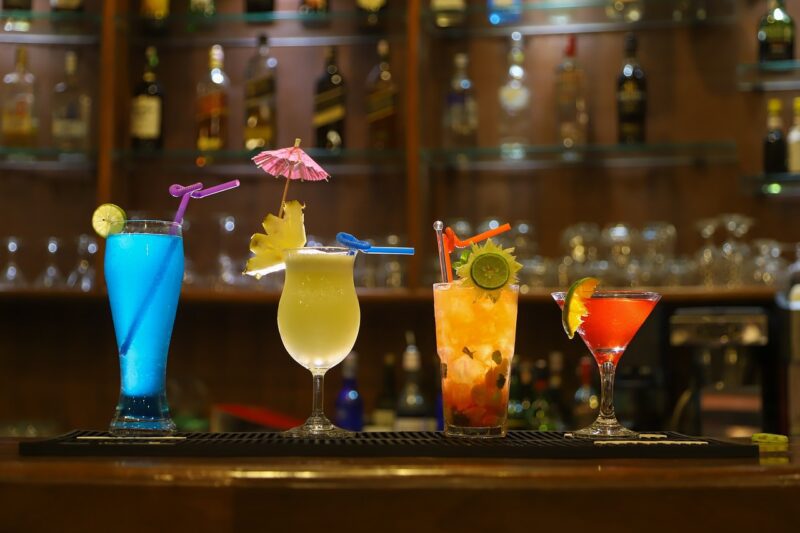
Wine cocktails are at their best when they feel like a smarter, more relaxed way to drink wine, not a way to cover it up. A good wine cocktail should still taste like wine. The fruit should feel fresh, the sweetness should stay under control, and the extra ingredients should make the drink brighter, colder, fizzier, or more seasonal rather than muddying everything together. That is why the best wine cocktails are usually the simplest ones.
They are also more useful than many wine drinkers admit. A pitcher of sangria is one of the easiest crowd drinks you can make. A white wine spritz is lighter and lower in alcohol than many standard cocktails. Sparkling wine cocktails are perfect when you want something festive without getting too serious. Mulled wine works when it is cold outside and you want something warm, spiced, and easy to batch for a group. In other words, wine cocktails are not just novelty drinks. Done well, they are practical, flexible, and genuinely enjoyable.
The main mistake people make is treating wine cocktails as a dumping ground for random leftovers. That is where things go wrong. You do not need expensive wine, but you do need wine that tastes fresh and balanced on its own. Crisp whites make cleaner spritzes. Softer fruit-forward reds make better sangria. Rosé handles berries and citrus beautifully. Sparkling wine often needs almost no help at all. Start with the right base, keep the build simple, and the results get much better very quickly.
Key takeaways
- Use decent, drinkable wine, but save your expensive bottles for the glass.
- Crisp whites, soft fruity reds, rosé, and sparkling wines are usually the easiest styles to mix.
- The best wine cocktails stay fresh and balanced rather than overly sweet.
- Temperature, dilution, and garnish matter just as much as the recipe.
- Sangria, spritzes, mulled wine, and sparkling cocktails are the easiest places to start.
Table of contents
- Why wine works in cocktails
- Which wines work best
- Simple rules for better wine cocktails
- 8 wine cocktail recipes to try
- Seasonal ideas and serving tips
- Common mistakes to avoid
Why wine works so well in cocktails
Wine already brings a lot to the glass before you add anything else. It has acidity, fruit, texture, and often just enough bitterness or grip to keep a mixed drink from tasting flat. That makes it a natural base for cocktails that feel fresher and more food-friendly than many spirit-heavy recipes. Wine also plays very nicely with ingredients people already associate with it, especially citrus, berries, peaches, apples, herbs, warming spices, and bubbles.
That is one reason drinks like sangria, mimosas, spritzes, and mulled wine have stuck around for so long. They are not complicated bar tricks. They work because the wine is doing real work in the drink. The acidity lifts fruit. The fruit softens the wine. The bubbles wake everything up. The herbs or spices add aroma without needing a shelf full of bottles.
The other reason wine cocktails work is that they are often easier to batch than classic cocktails. You can make a pitcher, chill it, pour it over ice, and you are done. That makes them useful for barbecues, brunches, holiday parties, casual dinners, and summer afternoons when nobody wants to shake individual drinks all evening.
Which wines work best in cocktails?
You do not need a grand cru Burgundy for a wine cocktail. You do need something sound, fresh, and pleasant to drink on its own. If the wine tastes tired, cooked, or unbalanced before you mix it, the cocktail will usually still taste off. The goal is value, not punishment.
Crisp white wines
Bright whites are some of the easiest wines to mix because they already bring freshness and acidity. Sauvignon Blanc is great when you want something citrusy, herbal, and clean. It works especially well in spritzes and cocktails with lime, mint, cucumber, or elderflower. Riesling is useful when you want a little more fruit and flexibility, especially in drinks with peach, apple, ginger, or a touch of sweetness. A fresher style of Chardonnay can also work, but generally lighter unoaked versions are easier to mix than rich buttery ones.
Fruit-forward red wines
For red wine cocktails, you usually want fruit and softness more than serious structure. Sangria works best with reds that feel juicy and open rather than tannic and heavy. Tempranillo is a natural fit, especially for classic sangria. Garnacha, Merlot, and other approachable reds work too. Big oaky wines often feel awkward once citrus and fruit get involved.
Rosé and sparkling wine
Rosé is one of the easiest cocktail bases because it can handle berries, lemon, herbs, and soda without losing its shape. Sparkling wine is even more forgiving. A little juice, a small splash of liqueur, or a few berries can be enough. If you want a better sense of the different sparkling wine styles that often show up in these drinks, see our guides to Champagne, Prosecco, and Cava.
Simple rules for better wine cocktails
Use cold ingredients
This sounds obvious, but it is where a lot of homemade wine cocktails lose their charm. Chill the wine first. Chill the fruit if possible. Use cold soda water and cold sparkling wine. The more you rely on ice to do all the cooling, the faster the drink gets watery and dull.
Watch the sweetness
Too much sugar is the quickest way to ruin a wine cocktail. It flattens acidity and makes the drink taste heavy. Start small with syrup, honey, juice, or liqueur. Taste before adding more. Most recipes need less sweetness than people think, especially if the wine already has ripe fruit or the drink includes orange juice, peaches, berries, or soda.
Do not overbuild
Wine cocktails are usually better when they are not crowded. One fruit, one herb, or one liqueur is often enough. Once you throw in three juices, chopped fruit, mint, basil, soda, syrup, and two spirits, the wine disappears and the whole thing starts tasting generic.
Use garnishes that actually fit
A garnish should do more than make the glass look busy. Lemon zest, orange slices, berries, mint, rosemary, cucumber, and peach all make sense when they support the flavor profile of the drink. A random herb sprig that clashes with the wine just gets in the way.
Choose the right glass for the job
You do not need barware drama here, but it helps to use a glass that suits the drink. Large wine glasses are good for spritzes and rosé cocktails. Tumblers work well for sangria. Heatproof mugs or glasses are the obvious choice for mulled wine. If you are using sparkling wine, a flute is fine, but a regular wine glass often gives the drink more room to smell like something.
8 wine cocktail recipes to try
1. Classic red wine sangria
This is still the easiest large-format wine cocktail for a crowd. It works because the fruit and citrus soften the wine while the wine still gives the drink real structure.
Ingredients
- 1 bottle fruity red wine, ideally Tempranillo or another soft red
- 60 ml brandy
- 30 ml orange liqueur
- 250 ml orange juice
- 1 orange, sliced
- 1 lemon, sliced
- 1 apple, chopped
- 1 handful berries
- 1 to 2 tsp sugar or honey, only if needed
- A splash of sparkling water before serving
- Ice
Method
Add everything except the sparkling water and ice to a large pitcher. Stir well and taste. Chill for at least 2 hours, though longer is usually better. Add ice and a splash of sparkling water just before serving. If it tastes too sweet, add more citrus or a touch more sparkling water rather than more wine.
Why it works
The fruit rounds out the red wine, the citrus keeps it fresh, and the little bit of dilution stops the drink from feeling too heavy. It is one of the few wine cocktails that genuinely gets better after a bit of time in the fridge.
2. White peach sangria
This is the lighter, more summery version of sangria and a much better choice when the weather is warm or the food is lighter.
Ingredients
- 1 bottle white wine, such as Riesling or Sauvignon Blanc
- 2 ripe peaches, sliced
- 1 lemon, sliced
- 1 handful green grapes
- 30 ml elderflower liqueur
- 250 ml sparkling water
- Fresh mint
- Ice
Method
Combine the wine, fruit, and elderflower liqueur in a pitcher and chill for 1 to 2 hours. Add sparkling water, mint, and ice just before serving. If the peaches are very ripe, you may not need any extra sweetness at all.
Best for
Garden parties, brunches, seafood lunches, or any summer meal where red sangria would feel a little too heavy.
3. Simple white wine spritz
This is the easiest wine cocktail on the list and one of the most useful. It is light, crisp, and low-effort.
Ingredients
- 120 ml chilled white wine
- 60 ml soda water or sparkling water
- 15 ml elderflower liqueur, optional
- 1 lemon or lime wedge
- Ice
Method
Fill a large glass with ice. Add the wine and the elderflower liqueur if using. Top with soda water and squeeze in the citrus wedge. Stir gently and serve immediately.
Why it works
It is basically the answer for people who want something more refreshing than plain wine but not as serious as a classic cocktail. The proportions are also easy to adjust depending on how light you want the drink.
4. Rosé berry fizz
Rosé cocktails can become sugary very quickly, so this version keeps the fruit bright and the structure clean.
Ingredients
- 120 ml chilled dry rosé
- 30 ml sparkling water
- 3 to 4 fresh strawberries or raspberries
- 10 ml lemon juice
- 5 to 10 ml simple syrup if needed
- Ice
- Mint or lemon zest for garnish
Method
Lightly crush the berries in the bottom of a glass. Add ice, rosé, lemon juice, and sparkling water. Taste before adding any syrup. Garnish with mint or lemon zest.
Best for
Brunch, showers, terrace drinking, or any time you want something that looks festive without becoming candy-like.
5. Blackberry wine mojito
This is a good example of a wine cocktail that borrows the shape of a classic cocktail without becoming a gimmick. The mint and lime still make sense, and the wine keeps the drink softer and more open than a rum-based mojito.
Ingredients
- 120 ml white wine, such as Pinot Grigio or Sauvignon Blanc
- 4 to 5 blackberries
- 8 to 10 mint leaves
- 15 ml lime juice
- 10 ml honey syrup or simple syrup
- A splash of sparkling water
- Ice
Method
Muddle the blackberries and mint gently in a glass with the lime juice and syrup. Add ice, pour in the wine, and top with a splash of sparkling water. Stir gently and garnish with mint.
Why it works
The wine keeps the drink lighter than a regular mojito, while the berries stop it from feeling too sharp or lean.
6. Mulled red wine
Mulled wine is the easiest cold-weather wine cocktail, but it is often ruined by being overheated or overloaded with spice. Keep it gentle and let the wine still come through.
Ingredients
- 1 bottle red wine
- 60 ml brandy, optional
- 1 orange, sliced
- 2 cinnamon sticks
- 3 cloves
- 1 star anise, optional
- 1 to 2 tbsp honey or sugar
Method
Add everything to a saucepan and warm slowly over low heat. Do not let it boil. Taste after about 15 minutes and adjust sweetness if needed. Strain before serving if you want a cleaner texture.
Best for
Holiday gatherings, cold evenings, outdoor winter parties, and any situation where a warm drink makes more sense than a chilled one.
7. Mimosa
Yes, it is obvious. It is still worth doing properly. A good mimosa is bright, crisp, and a lot better than the flat brunch versions people often get served.
Ingredients
- 90 ml chilled sparkling wine
- 60 ml chilled fresh orange juice
- Orange twist, optional
Method
Pour the orange juice into a flute or wine glass, then top gently with sparkling wine. Use fresh juice if possible. It makes a much bigger difference than a lot of fancy upgrades.
When to serve it
Brunch, showers, day parties, or any situation where full-strength cocktails would feel a bit much too early.
8. Sparkling berry aperitif
This is one of the easiest pre-dinner wine cocktails you can make. It looks polished, takes almost no effort, and works very well for parties.
Ingredients
- 120 ml chilled sparkling wine
- 15 ml berry liqueur or cassis
- 1 or 2 fresh raspberries or blackberries
- Optional lemon twist
Method
Add the liqueur to a chilled glass, top with sparkling wine, and drop in the berries. Finish with a lemon twist if you want a little extra lift.
Why it works
It keeps the structure of the sparkling wine intact while adding just enough fruit to make the drink feel celebratory and a little softer.
Seasonal ideas and serving tips
Wine cocktails get better when they fit the moment. Red sangria and rosé fizz feel right in warm weather because they are cold, fruity, and easy to batch. White sangria and spritzes are ideal for spring lunches, seafood, salads, and lighter dinners. Mulled wine is an obvious winter drink because the spices and warmth do half the work for you. Sparkling cocktails are the most flexible of all because they work at brunch, before dinner, at parties, and on holidays without needing much explanation.
Food matters too. Sangria works well with tapas, grilled food, and picnic-style meals. White spritzes and sparkling drinks are great with salty snacks, seafood, and lighter starters. Mulled wine is less about pairing and more about mood, though it works naturally with winter desserts, cheese boards, and festive snacks. If you want a better sense of how wine interacts with food more broadly, our food and wine pairing guide is a useful next step. And because temperature matters so much with mixed wine drinks, our guide to wine serving temperatures is worth a look too.
Common mistakes to avoid
The first mistake is using wine that is too heavy or too oaky. Rich, buttery Chardonnay can turn clumsy in a spritz. Big tannic reds often become awkward in sangria. Wine cocktails usually work best when the base wine is fresh, straightforward, and flexible.
The second mistake is oversweetening the drink. Too much syrup, too much juice, or too much liqueur can flatten everything and make the cocktail taste sticky. If a drink tastes heavy, it often needs more acidity, more chill, or more dilution rather than more sugar.
The third mistake is treating fruit like decoration instead of an ingredient. Fruit changes the drink, especially if it sits in it for hours. Citrus can add bitterness if left too long. Soft berries can become mushy. Apples, peaches, oranges, and grapes hold up better in pitchers than delicate fruit that falls apart quickly.
The last mistake is timing. Sparkling elements should usually be added near the end. Ice should be added close to serving. Herbs are best when fresh, not when they have been bruised into a pitcher all afternoon. Most wine cocktails are easy, but they still benefit from a little attention.
Wine cocktails are best when they stay simple
The easiest way to make better wine cocktails is to remember that the wine should still matter. You are not trying to hide it. You are using it as the foundation of the drink. That means choosing a wine that suits the style, adding ingredients that actually support it, and resisting the urge to throw in every bottle, fruit, and syrup within reach.
Once you get that right, wine cocktails become one of the most useful things you can make. They are easier to batch than classic cocktails, more flexible than people assume, and often a lot more food-friendly. Whether you want a summer sangria, a crisp spritz, a simple brunch mimosa, or a warm mulled wine for winter, the same principle holds up every time. Keep it fresh. Keep it balanced. Let the wine do its job.
Read next
- How Prosecco Is Made: The Real Story Behind Italy’s Most Popular Sparkling Wine
- How Cava Is Made: Grapes, Traditional Method, Aging, and Style Explained
- How Champagne Is Made: From Grapes and Pressing to Lees Aging and Dosage
Last updated: