The best wine pairings for specific dishes usually come down to four things: the weight of the food, the dominant flavour, the sauce, and how the dish is cooked. A rich grilled steak needs something very different from spicy curry, buttery salmon, or tomato-based pizza. Once you start thinking that way, wine pairing becomes much easier and much more useful than memorising random “rules.”
This guide is built for exactly that. Instead of staying abstract, it focuses on real dishes people actually eat and the wines that tend to work best with them. Some pairings are classic for a reason. Others are a little more flexible than people think. The goal here is not to sound strict or fussy. It is to help you choose a bottle that makes dinner taste even better.
Key takeaways
- The best pairings are usually based on sauce, texture, spice level, and cooking method, not just the main protein.
- Cabernet Sauvignon with steak, Riesling with spicy curry, and Pinot Noir with duck remain classics because the structure of the wine fits the dish.
- White wine is often better with fish, but richer fish like salmon can handle fuller whites and even lighter reds.
- Tomato-based dishes need wines with good acidity, while creamy dishes usually need freshness to stop the meal feeling heavy.
- Sweet desserts need sweet wine. Dry wine with dark chocolate or sugary desserts usually falls flat.
Table of contents
- How to think about specific dish pairings
- Grilled steak with Cabernet Sauvignon
- Seared salmon with Chardonnay
- Spicy Thai curry with Riesling
- Roasted chicken with Pinot Noir
- Creamy carbonara with crisp white wine
- Grilled lamb chops with Syrah
- Fresh seafood with Sauvignon Blanc
- Margherita pizza with Chianti
- Duck breast with Pinot Noir
- Dark chocolate with Port
- Common pairing mistakes
How to think about specific dish pairings
Before getting into the individual matches, it helps to clear up one thing: you are rarely pairing wine with a single ingredient. You are pairing with the whole dish. A plain chicken breast is one thing. Roast chicken with herbs, pan juices, crispy skin, and root vegetables is another. Salmon with lemon and herbs is different from salmon in a creamy sauce. Pasta can lean bright and acidic, rich and creamy, spicy, earthy, or deeply savoury depending on what is on it.
That is why the old “red with meat, white with fish” rule only gets you so far. It is not useless, but it is far too broad to rely on. Sauce often matters more than protein. Cooking method matters too. Grilling adds smoke and char. Frying adds richness. Cream sauces need freshness. Chili heat needs relief. Tomato wants acidity. Once you understand that, specific food and wine pairing stops feeling random.
If you want the broader principles first, read our guide to food and wine pairing basics.
Grilled steak with Cabernet Sauvignon
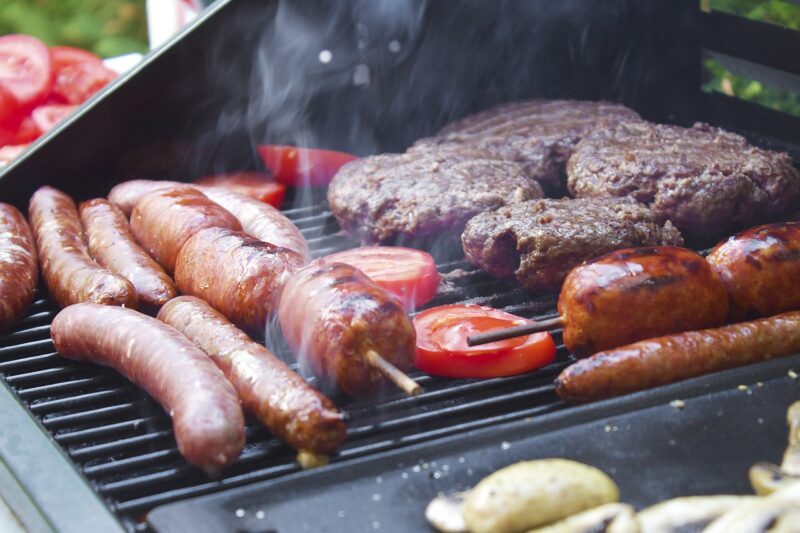
This is one of the classic pairings because both the food and the wine bring serious structure. A grilled steak, especially ribeye, striploin, or sirloin, has richness, char, savoury depth, and plenty of protein. Cabernet Sauvignon brings tannin, dark fruit, firm shape, and enough intensity to keep up.
The reason it works is not just that both are “big.” The protein and fat in the steak soften the tannins in the wine, making Cabernet feel smoother and more complete. At the same time, Cabernet’s blackcurrant fruit, cedar notes, and dry grip stop the steak from feeling too heavy. The wine refreshes the palate while still matching the mood of the dish.
This pairing gets even better when the steak is simply seasoned. Salt, pepper, and a good crust let the wine do more of the work. If you add pepper sauce, mushrooms, or a richer jus, Cabernet still works, but you could also move toward Syrah, Bordeaux blends, or even Malbec.
For a deeper look at the grape itself, see our guide to Cabernet Sauvignon.
Seared salmon with Chardonnay
Salmon is richer than many people realise, which is why very lean, sharp white wines can sometimes feel too thin next to it. Chardonnay is often a better choice because it has enough body to match the texture of the fish. If the salmon is pan-seared or roasted and served with butter, cream, or a slightly richer sauce, Chardonnay can feel spot on.
An oaked Chardonnay works especially well when the dish leans creamy or buttery. The rounder texture of the wine mirrors the richness of the fish, while the acidity keeps the pairing from feeling flat. If the salmon is grilled with lemon, herbs, or a fresher preparation, a less oaky Chardonnay or a more mineral style works better.
This is also a good reminder that fish is not one category. Delicate white fish and oily salmon do not need the same wine. Salmon has enough flavour and weight to stand up to more than many people expect.
To learn more about the grape behind this pairing, read our guide to Chardonnay.
Spicy Thai curry with Riesling
Spicy Thai curry is where a lot of people go wrong by choosing a heavy red. Chili heat, aromatics, coconut milk, lime, ginger, lemongrass, and herbs create a dish that is intense, layered, and hard to pair if you only think in terms of power. Riesling works because it brings the opposite of heaviness. It brings lift.
A slightly off-dry Riesling is especially good here. The touch of sweetness takes the edge off the spice, while the acidity keeps everything bright and clean. Aromatically, Riesling also makes sense with Thai food because it has floral and citrus-driven character that feels natural next to that style of cooking.
This is one of the best examples of why contrast matters in pairing. You do not always want to match intensity with more intensity. Sometimes you want freshness, lift, and just enough sweetness to calm the dish down without muting its flavour.
If you want to understand why this grape is so useful at the table, our guide to Riesling is worth reading.
Roasted chicken with Pinot Noir
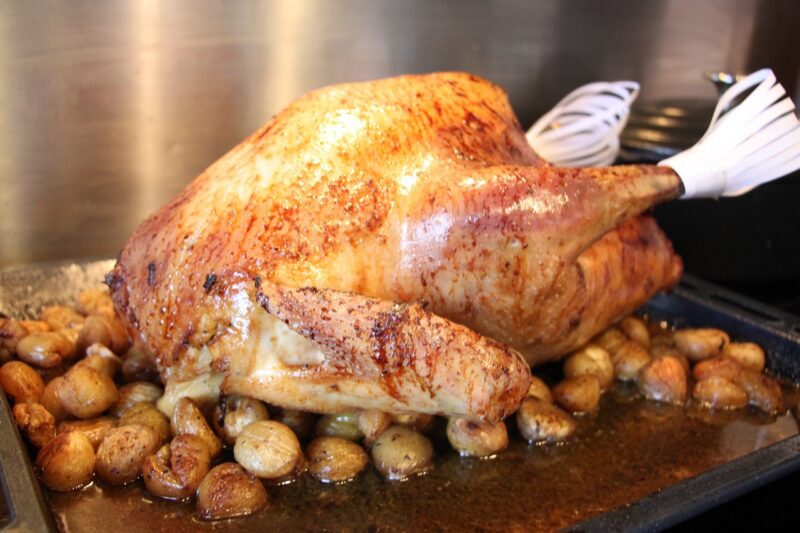
Roast chicken is one of the most flexible dishes in wine pairing because it sits in the middle. It is not too delicate, not too heavy, and it picks up a lot from herbs, roast notes, skin, stuffing, and side dishes. That is why Pinot Noir works so often. It is light enough not to crush the dish, but flavourful enough to keep things interesting.
Pinot Noir brings red fruit, bright acidity, and gentle tannin. With roast chicken, that usually feels elegant rather than obvious. The wine adds freshness, the fruit adds lift, and the earthy side that many Pinot Noirs carry works beautifully with roast flavours, mushrooms, herbs, and browned skin.
This is also a pairing that works well for people who think they do not like red wine with lighter food. Pinot Noir is often the bottle that changes their mind because it proves red wine does not have to feel dense or aggressive to be satisfying.
For more on the grape, here is our in-depth guide to Pinot Noir.
Creamy carbonara with crisp white wine
Carbonara can be surprisingly tricky. It is rich, salty, silky, and heavy on egg, cheese, and pork. The mistake many people make is pairing it with something too soft and creamy, which can make the whole meal feel dense and tiring. Carbonara usually needs a white wine with freshness and enough acidity to cut through the richness.
A crisp, dry white is often the best call here. Unoaked Chardonnay can work, and so can other bright Italian whites, depending on what you have available. The key is not just flavour matching. It is palate reset. You want the wine to clean things up between bites so the dish stays enjoyable from start to finish.
If the carbonara is very peppery and salty, that freshness becomes even more important. A wine that feels too broad or too low in acidity will struggle.
Grilled lamb chops with Syrah
Lamb has a distinct savoury character that needs more than generic “red wine.” Syrah is one of the best answers because it brings dark fruit, pepper, savoury depth, and enough structure to handle grilled meat without overpowering it.
What makes this pairing so satisfying is the way the peppery, smoky side of Syrah locks into the char and richness of the lamb. If the chops are seasoned with rosemary, garlic, or thyme, the match gets even better. Those herbal and savoury elements often pull the wine and food closer together.
This is a pairing that feels especially strong when cooked over fire. The grilled edges and slight smokiness make Syrah seem even more natural than it would with a softer, slower-cooked lamb dish. For braised lamb, you could also move toward blends or fuller reds, but for chops, Syrah is hard to beat.
Fresh seafood with Sauvignon Blanc
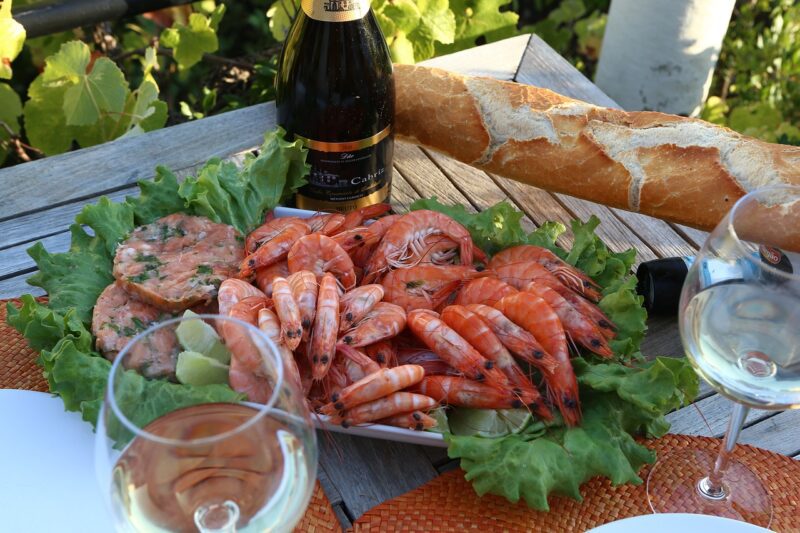
Fresh seafood usually wants freshness in return. Sauvignon Blanc is such a reliable option because its bright acidity, citrus notes, and herbal edge bring energy without heaviness. With oysters, prawns, grilled shrimp, ceviche, or lighter white fish dishes, that profile works beautifully.
The pairing is especially strong when there is lemon, lime, herbs, or green elements in the dish. Sauvignon Blanc naturally picks up those flavours and makes them feel sharper and cleaner. That is why it is such a dependable bottle for seafood platters, summer lunches, and shellfish starters.
This is not to say Sauvignon Blanc is always the only answer. Muscadet, Albariño, dry Riesling, and some sparkling wines can all be great with seafood too. But Sauvignon Blanc remains one of the easiest and most crowd-pleasing choices because it rarely feels heavy or complicated in the wrong way.
Margherita pizza with Chianti
Margherita pizza is a perfect example of why regional pairings often make sense. Tomato sauce, mozzarella, basil, and crust do not need a huge wine. They need acidity, freshness, and enough fruit to work with the sweetness and tang of the tomatoes. Chianti does exactly that.
Chianti has the acidity to handle tomato-based dishes, which is crucial. Low-acid reds can feel dull or even awkward with tomato sauce. Chianti, on the other hand, feels lively and food-friendly. Its cherry fruit and savoury notes sit naturally with basil, cheese, and the slight char of the crust.
This is one of the easiest pairings to recommend for a casual meal because it feels right without needing a special occasion. It is relaxed, dependable, and just makes dinner taste better.
Duck breast with Pinot Noir
Duck sits somewhere between poultry and red meat, which is why Pinot Noir fits so well. The meat has more richness than chicken, the skin adds fat, and many duck dishes include fruit sauces, earthy components, or elegant restaurant-style plating. Pinot Noir meets all of that without becoming too heavy.
The bright red fruit in Pinot Noir works especially well with duck served alongside cherry, plum, cranberry, or berry-based sauces. At the same time, the acidity in the wine helps cut through the richness of the skin and meat. The overall feel is balanced rather than forceful.
You could use richer reds with duck in some cases, especially if the preparation is more robust, but Pinot Noir remains the most graceful and generally reliable option. It feels tailored to the dish rather than simply strong enough for it.
Dark chocolate with Port
Dessert pairing follows a simple rule that people ignore all the time: the wine usually needs to be at least as sweet as the food. Dark chocolate has bitterness, richness, and intensity. Dry red wine with chocolate often sounds romantic, but in practice it can turn both the wine and the dessert harder and less enjoyable. Port makes far more sense.
Port has the sweetness, depth, and concentration to handle dark chocolate properly. The rich fruit, warmth, and velvety feel of the wine echo the density of the dessert instead of fighting it. That is what makes the pairing feel luxurious rather than awkward.
This becomes even better if the chocolate dessert includes nuts, berry elements, spice, or a dense cake texture. Port has enough character to stand up to all of that. It feels like a true dessert pairing rather than an afterthought.
Common pairing mistakes
Ignoring the sauce
This is probably the biggest one. People focus on the main ingredient and forget that the sauce often decides the match. Salmon in beurre blanc is not the same pairing problem as grilled salmon with lemon. Chicken in mushroom cream sauce is not the same as roast chicken with herbs.
Serving big reds with spicy food
Tannic reds and chili heat usually make each other worse. The wine can feel harsher, hotter, and more aggressive. Spicy dishes often do better with fresher whites, lower alcohol, and sometimes a touch of sweetness.
Choosing low-acid wine for tomato dishes
Tomato sauce needs acidity in the wine. Without it, the pairing can feel flat and slightly clumsy. That is why Chianti, Barbera, and other bright reds are so reliable with pizza and pasta in tomato-based sauces.
Using dry wine with sweet desserts
It almost never works as well as people hope. If dessert is sweet and the wine is not, the wine usually ends up tasting sharp, thin, or bitter by comparison.
Good pairing is about the whole plate
The best wine pairing for a specific dish is rarely about showing off. It is about making the meal feel more complete. Steak and Cabernet work because the structure lines up. Thai curry and Riesling work because the wine calms and refreshes the dish. Pinot Noir with duck works because it adds lift without losing depth. Once you see the logic, the guesswork starts to disappear.
That is also why pairings are worth testing more than memorising. Try two wines with the same dish and see what changes. Compare a crisp white and a richer white with salmon. Try a softer red and a firmer red with steak. Wine pairing becomes much easier once you stop treating it like a fixed set of laws and start treating it as a practical tool for making food taste better.
Read next
- Best Wine with Fish: How to Pair Seafood Like a Pro
- The Ultimate Guide to Cheese and Wine Pairing
- Best BBQ Wine Pairings: What to Drink with Grilled Food
Last updated: