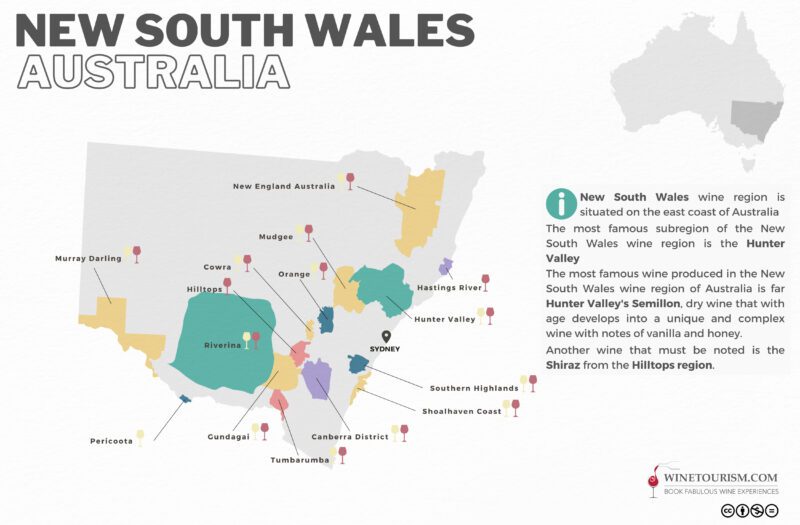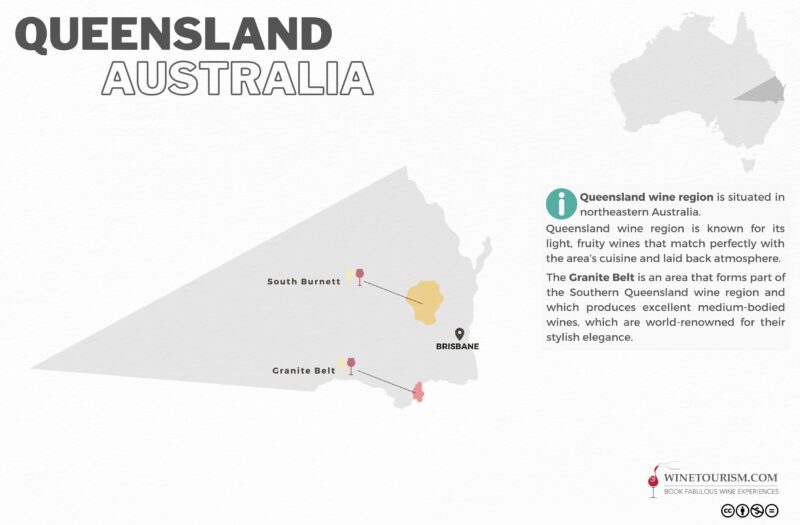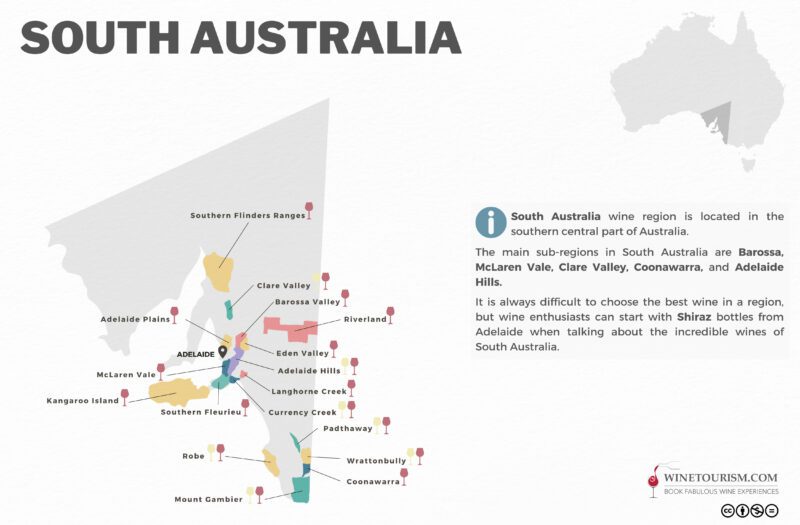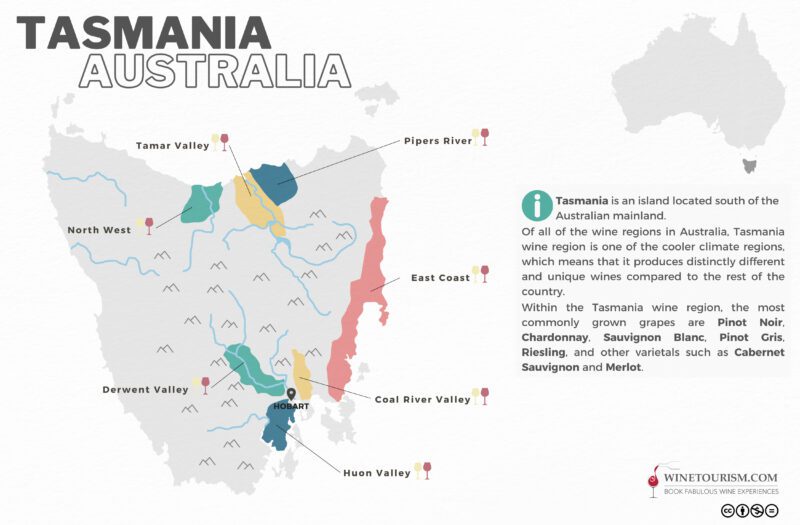

If you are looking for a free Pfalz wine region map, you can download the full-size version below. Pfalz is one of Germany’s most important wine regions, known for its sunny climate, strong winemaking identity, excellent Riesling, and a wider mix of white and red wines than many readers expect.
Download the full-size Pfalz wine region map here
Key takeaways
- Pfalz is one of Germany’s best-known and most productive wine regions.
- The region is especially famous for Riesling, but it also produces notable red wines.
- Pfalz benefits from a warm, favorable microclimate in southwestern Germany.
- The area sits between the Rhine River and the Palatinate Forest.
- You can download a free high-resolution Pfalz wine map from the link above.
Table of contents
- Download the map
- Why Pfalz matters
- What the region is known for
- Why the region stands out
- Why this map is useful
Download the map
This page gives you access to a free, detailed, high-resolution wine map of the Pfalz wine region in Germany. It is useful if you are planning a trip, learning more about German wine geography, or simply want a better visual overview of one of the country’s most important wine areas.
Click here to open and download the full-size map
Why Pfalz matters
Pfalz matters because it is one of the key regions in the story of German wine. If someone wants to understand Germany beyond the most famous postcard names, Pfalz quickly becomes essential. It is large, important, productive, and full of variety, which makes it one of the regions that helps explain why German wine is much broader than many casual drinkers first assume.
The region matters for another reason too. Pfalz often changes how people think about German wine. Many readers still picture Germany almost entirely through the lens of light white wines and cooler-climate elegance. Pfalz still offers that, especially with Riesling, but it also shows a warmer, broader, and more flexible side of German wine culture. That wider range is part of what makes it so interesting.
It also matters because Pfalz has both history and accessibility. Some regions feel highly prestigious but slightly remote in the mind of an average reader. Pfalz feels easier to grasp. It has a long viticultural heritage, but it also feels practical, open, and relevant for modern wine drinkers who want quality without needing a lecture before they pour a glass.
What the region is known for
Pfalz is best known for exceptional white wines, especially Riesling. That is still the clearest starting point. Riesling from Pfalz often shows why the region is so respected, combining freshness and aromatic lift with a little more generosity of fruit than some cooler German regions. It can be precise, but it does not have to feel severe.
The region is also known for producing fruity and full-bodied red wines. This is one of the things that makes Pfalz especially interesting. Many wine readers outside Germany still do not fully associate German regions with red wine, yet Pfalz is one of the places that clearly broadens that picture. The warmer conditions here help support a wider range of styles than some readers might expect.
Pfalz is also known for its favorable microclimate. That matters because climate is a huge part of why the region can produce both strong whites and convincing reds. The setting between the Rhine River and the Palatinate Forest creates an environment that supports ripeness, consistency, and a relatively generous wine style by German standards.
Finally, the region is known for its rich wine culture and broad appeal. Pfalz is not just important on paper. It is one of those wine areas that feels alive in practice, both for producers and for visitors. That combination of quality, climate, and identity gives the region real weight.
Why the region stands out
Pfalz stands out because it offers range without losing focus. Some large wine regions can feel difficult to define because they do too many things at once. Pfalz avoids that problem. It has a strong enough identity to be recognizable, but enough diversity to stay interesting across different styles, grapes, and sub-areas.
The region also stands out because it sits in a favorable part of Germany for viticulture. The location in the southwest, combined with the sheltering effect of the Palatinate Forest, helps create conditions that are warmer and drier than many readers might associate with German wine. That climate advantage is a big reason why the wines can feel generous, ripe, and approachable while still retaining structure.
It also stands out because it balances tradition with broad drinker appeal. Pfalz can satisfy readers who care about heritage and serious wine geography, but it also speaks to ordinary drinkers who just want a region that reliably produces enjoyable bottles. That makes it easier to recommend and easier to understand.
Visually, Pfalz also has strong appeal. The region’s vineyard settings, landscape, and location between river influence and forest backdrop make it attractive for travel as well as for wine study. Some regions are best understood only by tasting. Pfalz is also easy to appreciate through place.
Why this map is useful
A Pfalz wine region map is useful because it gives readers a clearer sense of where the region sits and why that location matters. Once you see Pfalz in relation to the Rhine River, the Palatinate Forest, and the rest of Germany’s wine landscape, a lot of the region’s identity starts to make more sense.
It is also useful because Pfalz is big enough and varied enough that a visual overview helps. This is not just a name to memorize. It is a region where geography actively shapes the wines, so having a map helps connect the style in the glass with the land behind it.
For travel planning, the map is even more useful. Pfalz is one of the German wine regions that can appeal to a broad audience, including people interested in scenery, wine tourism, and regional food as well as wine itself. A map helps turn general interest into something more concrete.
It is also valuable for students, writers, and collectors of wine maps. If you are building a stronger overview of Germany’s wine regions, Pfalz is absolutely one of the places you want included. It is too important, too distinctive, and too broadly useful to leave out.
See also our Wine Travel Ideas for Germany.
Wine map kindly provided by WineTourism.com.
Read next
Last updated: