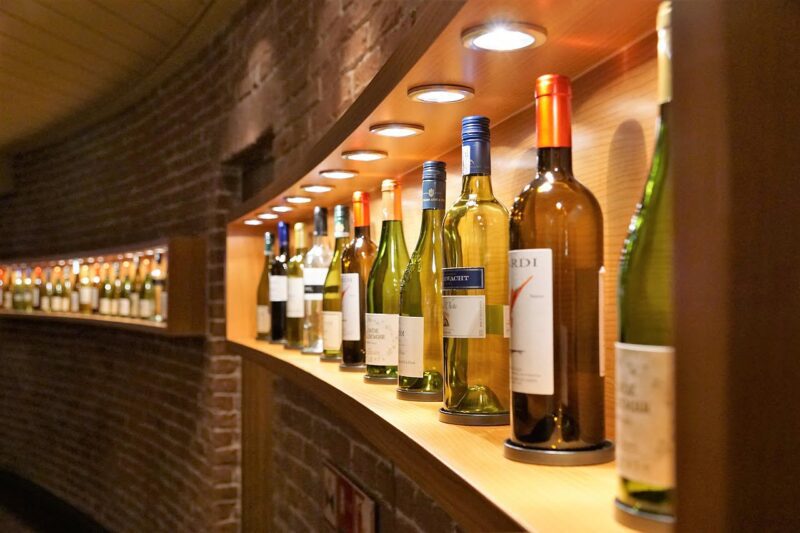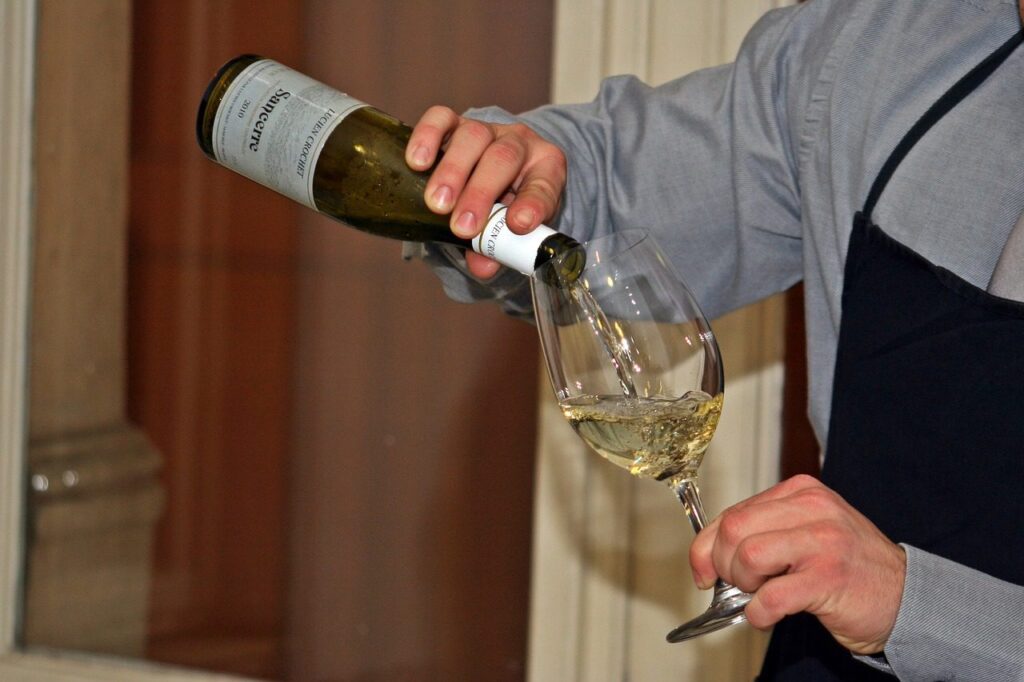

Low-alcohol and no-alcohol wines can absolutely be worth drinking, but only if you go into them with the right expectations. The best ones are not perfect stand-ins for full-strength wine. They are different tools for different moments. Some are genuinely refreshing, useful, and surprisingly enjoyable. Others still taste a bit hollow, sweet, or stripped back. So the hype is partly deserved, but not all bottles live up to it.
That is really the heart of it. This category works best when you stop asking, “Is this exactly like regular wine?” and start asking, “Does this do a good job for what it is meant to be?” For a weekday dinner, a lunch, a work night, a pregnancy-safe celebration, or a social setting where you want the ritual without the alcohol, the answer can be yes. For a serious wine night where texture, depth, and length matter most, the answer is often more mixed.
The good news is that the category has improved. Producers are getting better at preserving aroma, balance, and structure, and more drinkers now see these wines as something other than a sad compromise. But there is still a real gap between the stronger examples and the forgettable ones. That is why this is one of the wine world’s most uneven categories, and one of the most interesting.
Key takeaways
- Low-alcohol and no-alcohol wine can be genuinely good, but the best examples work differently from full-strength wine rather than copying it perfectly.
- The biggest challenge is not flavour alone. It is body, texture, and overall balance after alcohol is reduced or removed.
- They make the most sense for moderation, weekday drinking, driving, lunch, and social occasions where you want the wine ritual without the full alcohol effect.
Table of contents
- What do these terms actually mean?
- How low-alcohol and no-alcohol wines are made
- How they actually taste compared with regular wine
- Where they work best
- Health, calories, and moderation
- Who should actually buy them
- The honest verdict
What do these terms actually mean?
One reason this category confuses people is that the language is messy. In everyday conversation, people often use low-alcohol, alcohol-free, no-alcohol, reduced alcohol, and dealcoholised as if they all mean the same thing. They do not. Some wines are naturally lighter in alcohol because of grape variety, climate, ripeness, or winemaking choices. Others are made as full wine first and then have alcohol removed afterwards. Those are two different things, even if they end up sitting next to each other on the shelf.
That matters because drinkers often expect the same experience from both. A naturally lighter Mosel Riesling or a gently sweet, low-ABV style can still feel very much like wine because it has not been stripped back after the fact. It was always meant to be that way. That is part of why lighter styles can feel more harmonious than some dealcoholised wines. If you want to explore one of the classic grapes that often works beautifully at lower alcohol levels, Riesling White Wine Grape: The Noble Aromatic White is a strong related read.
Dealcoholised or alcohol-free wine is a different category. It usually starts life as proper wine and then goes through a process that removes most or nearly all of the alcohol. That is a clever technical achievement, but it also explains why the results can vary so much. Alcohol is not just there for the buzz. It carries aroma, gives body, softens texture, and helps make wine feel complete. Once you remove it, the producer has to rebuild that balance somehow.
That is why it helps to think of this category in three buckets. First, naturally lighter wines. Second, reduced-alcohol wines. Third, no-alcohol or dealcoholised wines. The closer you move toward zero alcohol, the harder it becomes to keep the wine convincing.
How low-alcohol and no-alcohol wines are made
The production side is part of the story because the method often shows up in the glass. Some lower-alcohol wines are made by picking earlier, managing fermentation differently, or preserving residual sugar so that not all grape sugar turns into alcohol. Others are made more conventionally and then adjusted later. No-alcohol wines are usually more technical. The most common route is to make normal wine first and then remove the alcohol through processes such as vacuum distillation or membrane-based systems like reverse osmosis.
That sounds straightforward on paper, but in practice it is delicate. The producer is trying to pull out alcohol without taking too much of the wine’s character with it. That is where things can go wrong. The better examples manage to hold onto enough fruit, freshness, and shape to still feel wine-like. The weaker ones end up smelling a bit muted and tasting flatter or sweeter than you hoped.
This is also why some drinkers are surprised by price. People sometimes assume no-alcohol wine should be cheap because the alcohol is gone. But removing alcohol well is not a simple shortcut. It takes equipment, care, and usually a decent base wine to start with. Cheap starting material rarely becomes great dealcoholised wine by magic.
In other words, no-alcohol wine is not just grape juice in disguise. At its best, it is a real attempt to preserve the structure and feel of wine after a big part of the equation has been removed. Whether that attempt succeeds depends heavily on style, grape, and producer skill.
How they actually taste compared with regular wine
This is the part most people really care about. So let’s be blunt. Low-alcohol wine is often easier to like than no-alcohol wine. It still has enough body and enough grip to feel recognisably like wine, just in a lighter, less forceful register. You may notice a fresher profile, a gentler finish, and less heat. In the right style, that can be a strength rather than a compromise.
No-alcohol wine is harder. The best bottles can still offer pleasant aroma, decent acidity, and a wine-like rhythm on the palate. But they often struggle with length, texture, and depth. That is where full-strength wine still has an obvious edge. You may get the first impression of wine, the scent, the shape, even the ritual, but not always the same satisfying middle and finish.
White, rosé, and sparkling styles tend to do better than bold reds. That makes sense once you taste a few. Crisp acidity, citrus, green apple, floral notes, and bubbles can carry a wine even when alcohol is lower or gone. Big reds depend more on body, tannin integration, warmth, and concentration. Remove alcohol there and the gap becomes harder to hide. A no-alcohol sparkling rosé can be fun. A dealcoholised “serious” red can still feel like a work in progress.
Serving conditions matter too. A lot. A low-alcohol or no-alcohol wine served too warm can feel clumsy and sweet very quickly. Served properly chilled, many of them become noticeably more refreshing and more precise. That is one reason The Ultimate Guide to Wine Serving Temperatures is relevant here. Temperature can rescue a bottle that feels soft or vague at room temperature.
It also helps to taste these wines on their own terms. If you pour a no-alcohol white next to a fine Chablis and expect no difference, you are setting it up to fail. But if you judge it as a crisp, grown-up, food-friendly alternative for a Tuesday evening or a work lunch, you may find it far more useful than you expected. Mastering the Art of Wine Tasting is helpful here because it trains you to notice structure and balance rather than just asking whether the wine feels expensive or serious.
Where they work best
The strongest argument for this category is context. There are plenty of situations where full-strength wine is simply not the smartest fit, even if you love wine. Lunch is an obvious one. So is a weeknight when you want a glass with dinner but not the extra drag afterwards. Driving later matters. Early meetings matter. So does just wanting the ritual of wine without building the evening around alcohol.
That is where low-alcohol and no-alcohol wine can make a lot of sense. They let people stay inside the wine world without committing to the full physical effect of wine. That might sound minor, but it is exactly why the category keeps growing. For many people, the ritual matters almost as much as the alcohol. The stemware, the food pairing, the smell, the pause at the table, the social feel. These wines can preserve more of that experience than a soft drink usually does.
Food is another important piece. These wines are usually better with lighter dishes than with rich, heavy food. Fresh seafood, salads, sushi, roast chicken, vegetable dishes, and simple pasta are often where they feel most at home. Lower intensity on the plate gives the wine a chance to show something. For pairing basics, Learn How to Pair Food and Wine is a natural companion read.
Sparkling versions can be especially effective because bubbles add lift and structure where alcohol is missing. That little bit of tension can make the wine feel more complete. Lightly aromatic grapes can also work well, which is another reason Riesling-style freshness often translates more naturally than heavy oak or dense tannin.
And there is one more quiet strength here: pacing. Full-strength wine can push the evening in one direction. Lower-alcohol options let people stretch out a meal or a social occasion without the same cumulative effect. That alone makes them more practical than a lot of traditional wine culture likes to admit.
Health, calories, and moderation
This is where the marketing around the category can get a little slippery. Yes, less alcohol often means fewer calories. That part is broadly true. But it does not follow that every no-alcohol wine is automatically light, healthy, or low in sugar. Some compensate with sweetness or simply do not deliver the nutritional halo people imagine. So the smarter view is this: lower-alcohol wine can help with moderation and often with calorie reduction, but the label still matters.
That makes Understanding Calories in Wine a useful related article, especially for readers trying to compare traditional bottles with lighter alternatives. The broader point is that these wines are best understood as moderation tools, not miracle products.
Still, moderation is not nothing. For a lot of drinkers, these wines solve a real-life problem. They make it easier to cut down without feeling excluded from dinner, celebrations, or the general wine ritual. That is probably the category’s biggest long-term strength. It meets people where life actually is, not where old wine rules say it should be.
And that cultural shift matters. Wine drinkers are not all chasing the same thing anymore. Some want cellar-worthy bottles. Some want pleasure without pretension. Some want something that fits a healthier or more flexible routine. Low-alcohol and no-alcohol wine sit right in the middle of that change.
Who should actually buy them
These wines are easiest to recommend to people who care about moderation but still genuinely like the culture and flavour profile of wine. That includes anyone cutting back, anyone alternating between alcoholic and non-alcoholic drinks, anyone hosting mixed groups, and anyone who wants something more wine-like than soda or juice at the table.
They are also a smart category for people who enjoy fresher, lighter wine styles anyway. If you already lean toward crisp whites, rosé, spritzy bottles, or aromatic grapes, you are more likely to find good options here. Someone whose ideal wine is a concentrated, age-worthy red will usually be harder to please.
There is also a good case for keeping one or two of these bottles around for practical reasons. A no-alcohol sparkling wine in the fridge can be useful when you want something celebratory but not boozy. A lighter white can be perfect for lunch or the first glass of the evening. This is the kind of everyday usefulness that also made many people rethink packaging and convenience in categories once looked down on. Is Bag-in-Box Wine Good? Myths, Quality, and Benefits touches a similar nerve in wine culture: people often dismiss practical formats before judging what is actually in the glass.
At the same time, these wines are not compulsory for everyone. Plenty of drinkers would rather just have less wine, but make it good. That is a completely fair position too. The category is not here to replace traditional wine. It is here to fill moments where traditional wine is not the best fit.
The honest verdict
So, do low-alcohol and no-alcohol wines live up to the hype? Sometimes. The best ones do. The average ones do not. And the weak ones still feel like a category trying to solve a problem it has not fully cracked yet.
Low-alcohol wine is already a convincing part of the wine world. It can be fresh, useful, balanced, and genuinely enjoyable. No-alcohol wine is improving, and some bottles are now good enough to be taken seriously, especially in sparkling, white, and rosé styles. But it still has further to go if the goal is to match the texture, depth, and completeness of regular wine.
That does not make the category a gimmick. Far from it. It just means the smart way to buy these wines is with clear eyes. Expect alternatives, not replicas. Expect practicality, moderation, and a different kind of pleasure. When judged on those terms, a lot of these wines look much better.
And that is probably the right place to land. The question is not whether low-alcohol and no-alcohol wine can replace every full-strength bottle. They cannot. The real question is whether they can earn a place at the table. At this point, the answer is yes.
Read next
- The Ultimate Guide to Wine Serving Temperatures
- Learn How to Pair Food and Wine
- Mastering the Art of Wine Tasting: A Comprehensive Guide
Last updated: