
Bulk wine production is one of the least glamorous but most important parts of the global wine business. Most wine drinkers picture vineyards, barrels, cellar doors, and finished bottles on a shelf, but a huge amount of wine moves through the market long before it reaches that final packaged form. It may be fermented in one country, shipped in large containers, blended elsewhere, bottled closer to the final customer, and then sold under a retail brand, supermarket label, restaurant house label, or private-label range.
That is why bulk wine matters. It exists because the wine industry is not built only around estate-bottled prestige wines. It is also built around volume, flexibility, pricing, supply chain efficiency, and the need to serve a very broad consumer market. Bulk wine helps make that possible.
At the same time, the phrase “bulk wine” often carries the wrong image. Many people hear it and assume low quality, anonymous juice, or industrial shortcuts. Sometimes that is fair, but not always. Bulk wine can absolutely be basic and price-driven, but it can also be clean, well-made, commercially smart, and perfectly suited to the market it is aimed at. The more useful question is not whether bulk wine exists, but why it exists, how it works, and what role it plays in the wider wine world.
Key takeaways
- Bulk wine production allows wineries and buyers to move large volumes efficiently, reduce packaging and transport costs, and bottle closer to the end market.
- Bulk wine is often used for supermarket brands, private labels, blending programs, and entry-level commercial wines, but bulk does not automatically mean poor quality.
- Quality in bulk wine depends on grape sourcing, winemaking control, storage, transport, blending decisions, and the standards of the company buying and bottling it.
Table of contents
- What bulk wine production actually means
- Why bulk wine exists
- How bulk wine is made
- Who buys bulk wine
- How quality is controlled in bulk wine
- Does bulk wine always mean low quality?
- Blending, brand consistency, and private-label wine
- Transport, storage, and sustainability
- Challenges and criticisms of bulk wine production
- Is bulk wine likely to become even more important?
What bulk wine production actually means
Bulk wine production refers to wine that is produced and sold in large volumes before final packaging. In other words, the wine is not bottled and labelled at the winery of origin before it enters the market. Instead, it is kept in large tanks or shipped in very large transport containers, then bottled later by another company, often in a different country.
This is an important distinction. Bulk wine is not a separate style of wine, like sparkling, rosé, or orange wine. It is a production and distribution model. A bulk wine can be red, white, rosé, still, or sparkling base wine. It can be very simple, but it can also be technically sound and commercially well-positioned. What makes it “bulk” is not the grape or the flavor profile. It is the fact that it moves through the trade in large quantities before final packaging.
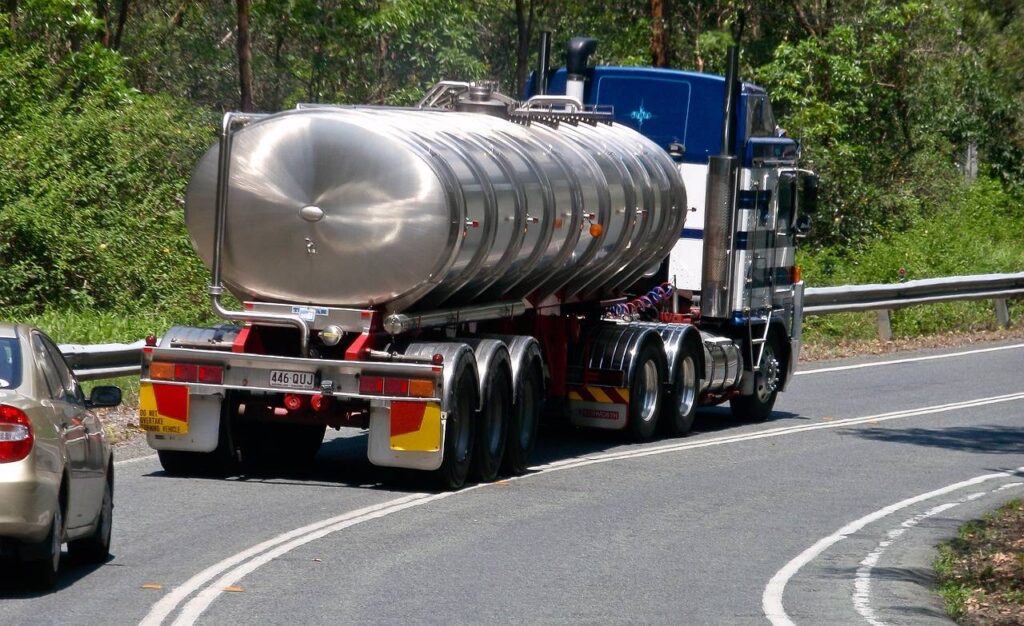
In practice, that usually means the wine is stored and transported in tanker trucks, ISO tanks, or flexitanks inside shipping containers. Once it reaches the destination market, it may be bottled under a retailer’s own label, a private brand, a distributor’s house wine program, or a larger commercial portfolio that needs flexible supply.
If you want the broader technical context, our article on basic wine production steps is a useful companion piece, because bulk wine still begins with the same core vineyard and cellar process as any other wine.
Why bulk wine exists
Bulk wine exists because the global wine market needs far more than estate-bottled premium wines. It needs supermarket own-label wines, restaurant house wines, promotional lines, travel-retail bottlings, contract-filling programs, and mass-market brands that must hit very specific price points. Those segments require flexibility, consistency, and lower logistics costs, and bulk wine is one of the easiest ways to achieve that.
Cost efficiency is the biggest reason
The main reason bulk wine exists is simple economics. Shipping wine in bulk is usually cheaper than shipping finished glass bottles. Glass is heavy, fragile, and expensive to move over long distances. If the wine can be transported in large containers and bottled closer to the customer, the supply chain becomes more efficient. That can reduce freight costs, packaging costs, and handling costs, which matters enormously in value-driven parts of the market.
This is especially important for wines sold at lower to mid-level prices, where small shifts in logistics cost can make the difference between a viable product and an uncompetitive one.
It gives buyers flexibility
Bulk wine also gives importers, retailers, and bottling companies more control. They can decide when to bottle, what label to use, what packaging format to choose, and how to blend the wine to fit a target style. That flexibility matters in a market where consumer trends shift quickly and promotions can create sudden spikes in demand.
A winery selling finished bottles has already locked in the packaging and often the brand. A winery selling bulk wine is selling a more adaptable raw material.
It helps match supply and demand
Wine supply is naturally variable because agriculture is variable. Harvest sizes change, vineyard quality changes, and markets change. Bulk wine helps smooth some of that variability. It allows large buyers to source volume from multiple places, adjust blends, and respond more quickly when a market suddenly needs more of a certain style or price point.
That makes bulk wine a very practical tool, even if it is not the romantic side of the wine world people usually talk about.
How bulk wine is made
Bulk wine production starts in exactly the same place as other commercial wine: the vineyard. Grapes are grown, harvested, fermented, stabilized, and stored. The difference comes later, in how the wine is held, sold, moved, and packaged.
Grape sourcing at scale
Bulk wine is often built around reliable grape sourcing rather than the personality of one specific estate. That might mean one large vineyard operation, but it can also mean fruit sourced from many growers under contract. In large commercial regions, a bulk wine producer may work with multiple vineyards to secure enough volume and maintain a stable supply from year to year.
That does not mean the vineyards do not matter. They still do. Yield levels, ripeness, disease pressure, picking decisions, and vineyard management all influence the final wine. But in bulk wine, the commercial priority is usually consistency and volume first, with individual site identity being less central than it would be for a single-vineyard or estate-led bottling.
If you want more on the vineyard side, our guide to harvesting grapes for wine helps explain why picking decisions still matter even at large scale.
Fermentation and tank production
Bulk wine is usually made in stainless steel or other large fermentation vessels that allow efficient, controlled production. At this scale, temperature control, yeast management, hygiene, and stabilization become especially important. The goal is usually not to create the most idiosyncratic or terroir-driven wine possible. It is to create wine that is sound, stable, commercially useful, and consistent enough to meet target specifications.
That means technical control often matters a great deal. A bulk wine producer may aim for a red with soft tannins and ripe fruit, or a crisp white with clean aromatics and bright acidity, and the cellar process is designed to deliver that result reliably.
Storage before sale
Once fermentation and any early adjustments are complete, the wine is held in tank until it is either sold or blended further. In some cases, it may be lightly matured. In many cases, especially for fresher styles, it is kept as stable and clean as possible while awaiting sale. The better the tank storage, the easier it is to preserve freshness and avoid spoilage or oxidation before shipping.
Who buys bulk wine
Bulk wine is bought by a surprisingly wide range of companies. The obvious buyers are large bottlers and commercial wine groups, but the market goes much wider than that.
Retailers and supermarkets
Many supermarket own-label wines begin as bulk wine. A retailer may want a dependable Chilean Sauvignon Blanc, Spanish Tempranillo, or Australian Shiraz at a certain price point and flavor style. Bulk wine allows them to source the volume they need and package it under their own label with tighter control over branding and margins.
Private-label operators
Private-label wine is one of the biggest reasons bulk wine matters. Restaurants, hotel groups, online retailers, airlines, and event suppliers may all want wine under their own branding without owning vineyards or wineries. Bulk wine makes that possible.
Brands that need blending flexibility
Some established wine brands also use bulk wine to help maintain consistency. A large commercial brand may blend wine from different sources to keep the house style stable across large runs. In that case, bulk wine is not a sign of cheapness. It is part of the operational model behind making a high-volume brand taste recognizably similar year after year.
Secondary wineries and négociant-style businesses
Some wine businesses exist mainly to buy wine rather than grow grapes themselves. They may age, blend, bottle, label, and market wines built from purchased lots. That model is much older than many people think and has been central to wine trade in several regions for a very long time.
How quality is controlled in bulk wine
One of the biggest misconceptions about bulk wine is that quality control must be weak simply because the product moves in large volume. In reality, quality control can be extremely strict, because a large batch with a flaw can become a very expensive mistake very quickly.
Laboratory analysis and tank monitoring
Bulk wine producers often rely heavily on laboratory data, because they need to track acidity, pH, residual sugar, alcohol, microbial stability, sulfur levels, and dissolved oxygen very closely. The wine must be stable enough to survive storage, transport, and eventual bottling without drifting away from the intended style.
Sensory tasting still matters
Technical numbers are important, but sensory tasting is just as important. Buyers and blenders need to know whether the wine tastes clean, balanced, and commercially suitable. A wine can be analytically sound and still not fit the style brief. That is why tasting panels, sample approvals, and blending trials are central to bulk wine decisions.
Transport protection
Once the wine leaves the winery, protection becomes critical. Oxygen exposure, heat damage, contamination risk, and tank cleanliness all matter. Good bulk wine logistics are not casual. They depend on disciplined handling and experienced partners.
If you want to understand why stability matters so much after production, our article on proper wine storage helps show how easily wine quality can shift if conditions are poor.
Does bulk wine always mean low quality?
No, but it often means the wine is being built for a commercial purpose rather than a prestige one.
That distinction matters. A wine can be good, clean, pleasant, and well-made without being profound, site-specific, or collectible. Bulk wine often sits in that space. It may be designed to be fruit-forward, dependable, easy to drink, and affordable. There is nothing inherently wrong with that.
The problem is that some people assume “bulk” automatically means poor wine, while others swing too far the other way and insist bulk wine can be every bit as individual and terroir-driven as estate wine. Usually, the truth is more practical. Bulk wine can absolutely be decent or even very good for its category, but the business model is usually centered on volume and style consistency rather than singularity.
In other words, bulk wine does not have to be bad. It just usually has a different job to do.
Blending, brand consistency, and private-label wine
Blending is one of the biggest reasons bulk wine matters commercially. A retailer or brand rarely wants each vintage to taste completely different if the label on the shelf stays the same. That is where bulk wine becomes useful. Different lots can be combined to create a target style, correct imbalances, and keep the product recognizable to repeat buyers.
For example, if one lot has more acidity and another has riper fruit, blending can create a more balanced final wine. If one growing season was cooler than expected, another source may help round out the style. This is not necessarily deceptive. It is how many commercial wines achieve consistency.
That consistency is especially important in private-label and entry-level wine programs. A customer who buys a supermarket own-label Pinot Grigio expects it to taste broadly similar each time. Bulk wine helps make that possible in a way single-source bottling often cannot at the same price point.
It also explains why bulk wine remains central to the wine business even though it attracts far less attention than boutique wines or famous estates.
Transport, storage, and sustainability
One of the strongest arguments in favor of bulk wine is efficiency. Shipping finished bottles means shipping a lot of glass, which is heavy and takes up space. Shipping wine in bulk and bottling closer to the final customer can reduce transport weight and often reduce emissions per liter moved. That has made bulk shipping attractive not just economically, but also from a sustainability perspective.
Packaging can also be adapted more easily once the wine arrives. That means the same bulk wine may end up in glass bottles, bag-in-box, lighter-weight formats, or other packaging types depending on the market.
That said, sustainability arguments should not be oversimplified. Bulk shipping may reduce some transport-related impacts, but it still depends on how the wine is grown, how far it travels, what packaging is chosen later, and how efficient the bottling and distribution systems really are.
Still, from a logistics perspective, it is easy to see why the model has become so important. It gives buyers flexibility and can make the whole chain leaner.
Challenges and criticisms of bulk wine production
Bulk wine production has clear advantages, but it also has real weaknesses and criticisms.
Loss of place and identity
The biggest criticism is that bulk wine can flatten the sense of place that makes wine interesting. If the wine is built around volume, blending, and market fit, then individual vineyard identity can become secondary. That does not matter much for some consumers, but it matters a lot for people who care deeply about origin and terroir.
Price pressure
Bulk wine often sits in highly price-sensitive parts of the market. That can create downward pressure on growers and producers, especially when large retailers drive hard bargains. If margins get squeezed too far, quality can suffer or growers can struggle to remain profitable.
Consumer mistrust
Some consumers hear “bulk wine” and assume they are being sold something inferior or disguised. That is partly a communication problem. The wine industry is much more comfortable romanticizing small-scale estate production than explaining the commercial side honestly, even though both are part of the same wider ecosystem.
Quality risk at large scale
Large volume can magnify mistakes. If there is a storage issue, transport problem, contamination risk, or blending error, the consequences can be huge. So while bulk wine can be efficient, it also demands discipline at every step.
Is bulk wine likely to become even more important?
Yes, in many parts of the market it probably will. Global wine sales are under pressure in some categories, price sensitivity remains high, and retailers still want flexibility. Bulk wine fits all of that. It allows large buyers to manage cost, respond to demand, and create products quickly without always needing long brand-development cycles at origin.
It is also likely to stay important because wine packaging itself is changing. Lighter formats, alternative packaging, and sustainability concerns all make local bottling and flexible packaging more attractive in many markets. Bulk wine fits that direction naturally.
At the same time, bulk wine is unlikely to replace the prestige side of wine. Estate identity, region, terroir, and fine-wine storytelling still matter enormously. What is more likely is that the market continues to split more clearly. On one side, highly branded, flexible, commercially optimized wine. On the other, more origin-driven and premium wine. And between them, a lot of overlap.
That is the real point. Bulk wine is not some side note or oddity. It is one of the systems that helps the global wine market function at scale.
Read next
Last updated: