Port is one of the wine world’s most distinctive styles because it is shaped by a production decision that changes everything: fortification during fermentation. That single step preserves sweetness, raises the alcohol, and gives Port its famous richness, power, and depth. But great Port is not just about sweetness or strength. It is about balance, vineyard origin, extraction, aging, and the skill of blending wines into a style that feels complete.
That is what makes Port so interesting from a production point of view. It comes from the Douro Demarcated Region in northern Portugal, one of the world’s historic wine regions, and it is built around a set of native grape varieties, steep schist slopes, and a cellar culture that has evolved over centuries. Some Ports are made to stay dark, fruity, and vigorous. Others are aged slowly in wood until they become nutty, tawny, and oxidative. Some are bottled young for long life ahead. Others are bottled ready to drink.
So to understand Port properly, you need to understand more than just the word on the label. You need to understand what happens from harvest to fortification, how aging choices split the wines into very different families, and why blending matters so much in this category.
Key takeaways
- Port is a fortified wine from the Douro, made by stopping fermentation with grape spirit while sugar is still present.
- The production method creates high alcohol, sweetness, and the structure needed for long aging and different house styles.
- Ruby, Tawny, LBV, Vintage, White, and Rosé Port all come from the same broad tradition, but they are shaped by very different aging choices.
Table of contents
- What Port actually is
- The grapes and the Douro terroir behind Port
- Harvest, lagares, and the need for rapid extraction
- Fortification: the defining step in Port production
- How aging creates Ruby, Tawny, LBV, Vintage, and White Port
- Why blending matters so much in Port
- Maturation, bottling, and certification
- How to serve and enjoy Port properly
- What makes Port production so special
What Port actually is
Port is a fortified wine produced in the Douro Demarcated Region under specific rules and styles that have been refined over generations. What separates it from ordinary table wine is not just sweetness, but the method used to make it. Fermentation does not run to dryness. Instead, it is stopped by adding grape spirit while the must still contains significant natural sugar. That leaves the wine sweet and strong at the same time.
This is why Port usually sits around 19% to 22% alcohol and still carries a lot of richness and fruit. It is not simply a sweet red or white wine. It is a wine whose fermentation has been interrupted at a strategic moment to lock in a very specific balance of sweetness, alcohol, and structure.
That single step creates the foundation, but it does not create one single style. Port then splits into several very different families depending on how it is aged. Some Ports are kept youthful and dark. Others are matured slowly in cask until they become amber, nutty, and silky. Some are single-vintage wines meant for long bottle aging. Others are blended and bottled when ready to drink.
The grapes and the Douro terroir behind Port
Port begins in one of Europe’s most dramatic vineyard landscapes. The Douro Valley is steep, hot, dry, and visually striking, with terraces and vineyard walls cut into schist slopes above the river. This terrain is beautiful, but it is also difficult. Yields are not naturally high, mechanization is limited in many places, and vineyard work can be intense and labor-heavy.
The grape palette is also different from what many casual drinkers know from other wine regions. Port relies heavily on native Portuguese varieties, especially Touriga Nacional, Touriga Franca, Tinta Roriz, Tinta Barroca, and Tinto Cão. These grapes contribute different strengths, including perfume, color, tannin, body, and fruit depth. Port is rarely about a single grape. It is usually about the interplay between several varieties that balance each other.
That blending potential starts in the vineyard. A producer may have multiple sites, elevations, and exposures, each giving a slightly different kind of fruit. Some parcels bring structure, some bring fragrance, some bring richness, and some help preserve freshness. That is one reason the Douro’s steep and varied terrain matters so much. It creates the raw material for more layered wines and more flexible blending later.
If you want the broader vineyard context, The Exciting Impact of Terroir on Wine and Grape Harvest in Winemaking: How Timing, Ripeness, and Picking Shape Wine are strong companion reads.
Harvest, lagares, and the need for rapid extraction
Port harvest is not just about bringing fruit in at the right time. It is also about extracting a lot from the grapes very quickly. Because fermentation is going to be stopped early, the producer has less time than in ordinary red winemaking to pull color, flavor, and tannin out of the skins. That makes extraction especially important.
This is where the famous lagares come in. Traditional granite lagares are shallow stone tanks in which grapes are trodden by foot. That sounds romantic, and it is, but it also has a practical logic. Foot treading is effective because it breaks the berries and extracts gently without shredding stems or crushing seeds too aggressively. In high-quality Port production, especially for top wines, this method remains a respected reference point.
At the same time, modern Port production is not stuck in the past. Many leading houses use advanced mechanical lagares or other systems designed to mimic the gentle action and heat of human treading while bringing more consistency and labor efficiency. The point is not nostalgia for its own sake. The point is to achieve strong, fast extraction before fortification interrupts fermentation.
Fruit is usually hand-harvested, especially in the steeper and more prestigious sites, and then sorted carefully before destemming and crushing. Quality decisions happen quickly here. Because Port production depends so much on dense, healthy must and a clean ferment, weak or damaged fruit is a bigger problem than many people realize.
Fortification: the defining step in Port production
If there is one step that defines Port, it is fortification. After fermentation begins, the yeasts start turning grape sugar into alcohol as usual. But before the wine becomes dry, the producer adds grape spirit to stop the fermentation. That kills or inhibits the yeast, leaving a significant amount of the grape’s natural sugar still in the wine.
This timing is everything. Fortify too early and the Port may feel heavy and overly sweet. Fortify too late and the wine may lose some of the richness and sweetness that define the style. The producer is trying to capture a precise balance, not just stop fermentation at random.
This is why Port production requires such close cellar judgment. Sugar level, extraction, flavor intensity, and ferment speed all matter at once. The fortification step does not just change the wine chemically. It also locks in the style direction of the batch. Once the grape spirit is added, the wine’s relationship between sweetness, alcohol, fruit, and tannin is largely set.
That is also why Port feels so different from ordinary sweet wine. In many sweet wines, sugar comes from late harvest, noble rot, drying, or incomplete fermentation without fortification. In Port, sweetness and strength are both direct results of deliberate interruption.
How aging creates Ruby, Tawny, LBV, Vintage, and White Port
After fortification, Port does not become one wine style. It begins to divide into families depending on how it is aged and what the producer wants the final wine to express. This is where Port becomes much more interesting than the simple idea of “sweet fortified wine.”
Ruby-style Ports
Ruby-style Ports are about preserving youth, dark color, and fruit. These wines are aged in ways that limit oxidation and slow visible evolution. Basic Ruby, Reserve Ruby, LBV, and Vintage all sit in this broad family, though their quality levels and aging paths differ a lot.
Ruby Port is the simplest entry point. It is typically a blend of multiple years, bottled relatively young, and meant to show deep color and bold fruit. Reserve Ruby is a step up in quality and intensity.
Late Bottled Vintage, or LBV, comes from a single year and spends longer in cask than Vintage Port before bottling. It usually arrives more approachable than Vintage, though unfiltered versions can still age well.
Vintage Port is the most prestigious classic ruby-style category. It comes from a declared vintage, spends only a relatively short period in cask, and then does most of its long development in bottle. That is why it throws sediment and often needs decanting. It is not bottled ready to drink in the way many tawnies are. It is bottled with a long future ahead.
Tawny-style Ports
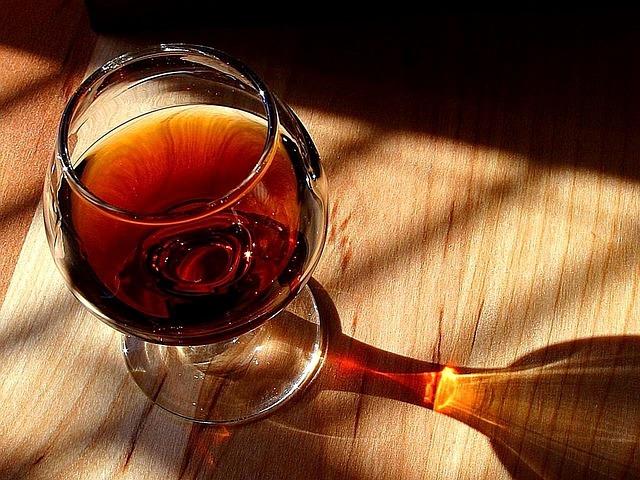
Tawny-style Ports move in the opposite direction. They are aged in wood for longer periods and allowed to evolve oxidatively. Over time, the deep purple and ruby tones soften into tawny and amber shades, while the fruit profile shifts toward nuts, dried fruits, wood spice, caramel, and more complex oxidative notes.
Basic Tawny exists, but the more interesting part of the category begins with Tawny Reserve, Aged Tawny with an indication of age such as 10, 20, 30, or 40 years, and Colheita. Colheita is a single-vintage Tawny aged in wood and bottled when the producer decides it is ready.
These wines are generally more immediately drinkable on release than Vintage Port because much of their development has already happened in cask. They are often among the most versatile Ports at the table, and many readers who think they dislike Port end up loving mature tawny styles once they try them properly.
White and Rosé Port
White Port deserves more respect than it usually gets. It is made from white grapes and comes in a range of sweetness levels, from extra dry to very sweet, with styles ranging from fresh and youthful to oxidatively aged and nutty. Some wood-aged White Ports can be genuinely complex and far more serious than many drinkers expect.
Rosé Port is a newer style made with light maceration of red grapes and very limited oxidation. It is aromatic, youthful, and designed to be drunk young, often chilled or in mixed drinks.
Why blending matters so much in Port
Blending is one of the great arts of Port. While some categories highlight a single vintage, much of Port’s identity comes from the ability of a house to blend wines from different vineyards, parcels, varieties, years, and aging trajectories into a coherent final style.
This is especially important for Tawny and many house bottlings, where consistency matters. A 20 Year Old Tawny is not a literal bottle that sat untouched for exactly twenty years. It is a blend that aims to taste like a wine of that average maturity and style. Getting that right requires a deep understanding of how different casks evolve and how different lots contribute freshness, age, sweetness, spice, lift, and depth.
In Port, the blender is not just correcting imperfections. The blender is composing the wine. That is one reason great Port houses are judged not only by vineyards, but also by cellar reserves, aging stocks, and blending skill.
This is also where the category becomes more than a simple production method. Port is one of the wine world’s clearest examples of house style as a serious craft.
Maturation, bottling, and certification
Once the wine is aging in the intended direction, the producer keeps monitoring how it develops and when it should be bottled. Different categories have very different answers. Vintage Port is bottled relatively young for long bottle aging. LBV spends longer before bottling. Tawny styles may stay in cask for years or decades. Colheita may remain in wood for a very long time before release. White Port can range from young and crisp to old and oxidative.
Bottling is therefore not just a logistical end point. It is a stylistic decision. Bottle too early and the wine may feel incomplete. Bottle too late and the producer may lose freshness or balance. This matters especially for wines that continue aging significantly after bottling, such as Vintage Port.
Port is also tightly controlled as a protected category. The Instituto dos Vinhos do Douro e do Porto, or IVDP, plays a central role in regulation, control, and certification. That is important because Port’s reputation depends on consistency, category definitions, and protection of origin. The system is not loose. It is highly structured.
How to serve and enjoy Port properly
One of the biggest mistakes people make with Port is treating all styles the same. They are not. Young Ruby Ports and Vintage Ports can work well with chocolate, blue cheese, and richer desserts, though Vintage Port is often best with just a small, thoughtful pairing and proper decanting if needed.
Tawny Ports are more flexible than many drinkers realize. Slightly chilled, they can be excellent on their own, with nuts, hard cheese, caramel desserts, or simply at the end of the evening without food. They are often easier to love immediately than more structured ruby styles.
White Port can be used in summer aperitifs, including the classic White Port and tonic, but better examples also deserve attention on their own. Dry or extra-dry White Port can be a surprisingly good aperitif, while aged White Port can be deeply layered and contemplative.
Serving temperature matters much more than people think. Tawny and White Port often benefit from being cooler than room temperature. Vintage Port should not be served too warm. If you want the practical details, The Ultimate Guide to Wine Serving Temperatures is the best next read. For food, Learn How to Pair Food and Wine: In-Depth Guide is the strongest general companion article.
What makes Port production so special
Port is one of the clearest examples of how a wine style can be shaped as much by process as by grape or place. The Douro gives Port its raw material, but fortification, extraction, cask aging, bottle aging, and blending are what turn that material into such a wide family of wines.
That is why Port deserves more attention than it often gets. It is not just a holiday drink or a dusty after-dinner category. It is one of the world’s most technically and stylistically interesting wines, with a range that stretches from simple fruity ruby to old tawny complexity and monumental Vintage Port.
Once you understand how it is made, the category becomes much easier to appreciate. You see why a young Ruby tastes nothing like a 20 Year Old Tawny. You understand why Vintage Port throws sediment and needs patience. You understand why White Port is more than a mixer. And you start to see that Port production is not one method leading to one result, but a whole system designed to create very different expressions from the same core tradition.
That is the real fascination of Port. It is ancient in reputation, but remarkably precise in practice. Behind every bottle is not just sweetness and strength, but timing, extraction, aging strategy, and blending skill on a very high level.
Read next
- How Wine Is Made: A Clear Guide to Vineyard, Fermentation, Aging, and Bottling
- The Ultimate Guide to Wine Serving Temperatures: In-Depth Knowledge and Tips
- Douro Valley Wine Region Portugal Free Wine Map
Last updated: