
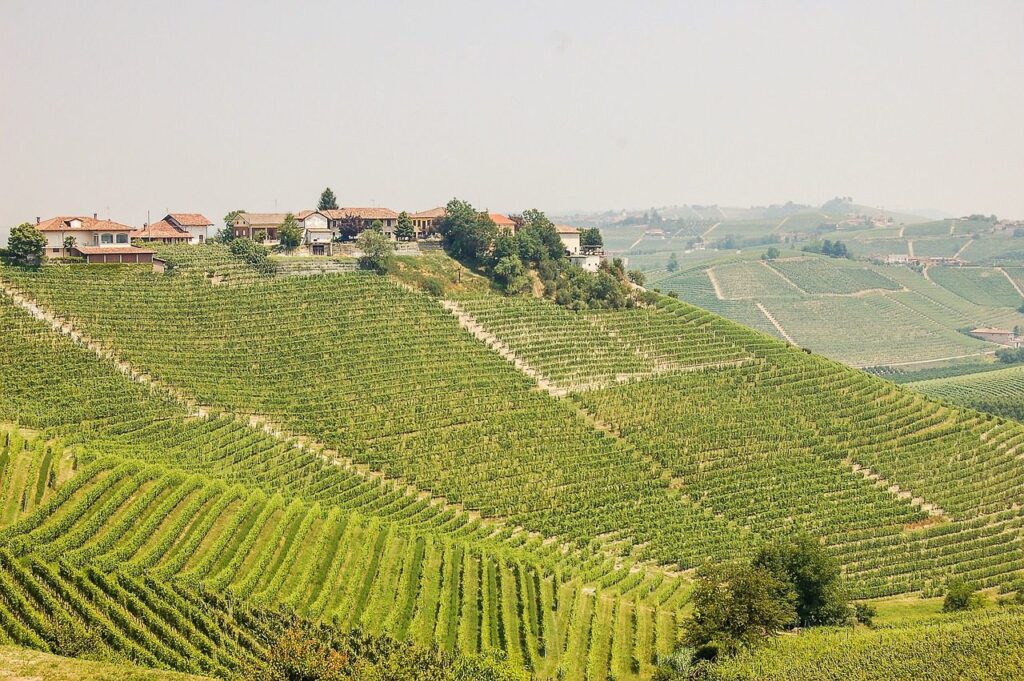
Piemonte is one of Italy’s most important wine regions and one of the most rewarding for serious wine drinkers. Located in the northwest of the country, at the foot of the Alps, it is home to some of Italy’s most iconic wines, including Barolo, Barbaresco, Barbera, Moscato d’Asti, and Gavi. This is a region where tradition, terroir, and local grape varieties come together in a way that feels deeply rooted and highly distinctive.
For many wine lovers, Piemonte is the region that best captures the elegance and complexity of northern Italian wine. It can produce powerful reds with decades of aging potential, fresh and food-friendly everyday bottles, and aromatic sparkling wines that are easy to love. That range is a big part of what makes Piemonte so compelling.
KEY TAKEAWAYS |
| • Piemonte is one of Italy’s top wine regions, best known for Barolo, Barbaresco, Barbera, Moscato d’Asti, and Gavi. |
| • Nebbiolo is the region’s flagship grape and the foundation of Barolo and Barbaresco. |
| • Piemonte’s hills, continental climate, and varied soils help create wines with structure, freshness, and aging potential. |
| • The region also stands out for its strong food culture, with wines that pair naturally with truffles, pasta, braised meats, and local cheeses. |
Table of contents
- What is Piemonte?
- Geography and climate
- Key grape varieties and famous wines
- Terroir and important subregions
- Wine culture and food pairings
- Why Piemonte matters
What is Piemonte?
Piemonte, or Piedmont, means “at the foot of the mountains,” which is a fitting name for a wine region framed by the Alps and shaped by hills, valleys, and vineyard-covered slopes. It is one of the great homes of Italian fine wine and a region where local grape varieties still dominate the conversation.
Unlike some wine regions that lean heavily on international grapes or modern branding, Piemonte feels firmly connected to its own identity. Nebbiolo, Barbera, Dolcetto, Cortese, Arneis, and Moscato all play important roles here, and the best wines often feel inseparable from the places they come from.
This is also a region with real prestige. Barolo and Barbaresco alone are enough to put Piemonte in the top tier of European wine regions, but the broader picture is even more interesting because the region offers much more than just its most famous names.
Geography and climate
Piemonte’s landscape is central to its success as a wine region. Vineyards are planted across rolling hills, foothills, and valley slopes, often in sites where exposure, altitude, and air flow make a major difference to grape ripening and wine style.
The Alps help protect the region from colder northern weather, while the broader continental climate brings warm summers and cool winters. There are also important temperature swings between day and night, especially in the growing season. That contrast helps grapes ripen while still preserving acidity and aromatic detail.
This balance is one reason Piemonte wines often combine structure with freshness so well. Even powerful reds can carry themselves with real elegance when the site and vintage line up properly.
Fog is another part of the region’s identity, especially in areas known for Nebbiolo. In fact, the grape’s name is often linked to nebbia, the Italian word for fog. Whether poetic or practical, that image suits Piemonte well. It is a region where climate and atmosphere genuinely matter.
Key grape varieties and famous wines
Piemonte boasts a remarkable lineup of indigenous grapes, and that is one of its biggest strengths. The region has not built its fame on copying international styles. It has done it by trusting its own varieties.
Nebbiolo
Nebbiolo is the region’s flagship grape and one of Italy’s noblest varieties. It is responsible for Barolo and Barbaresco, the two wines most closely associated with Piemonte’s global reputation.
Nebbiolo is known for high acidity, firm tannins, pale color compared with its structure, and a highly aromatic profile. Typical notes include red cherry, rose, tar, dried herbs, orange peel, and often truffle or earthy complexity with age.
It is not an easy grape, but when it works, it produces some of Italy’s most profound wines.
Barolo
Barolo is often called the “King of Wines,” and while that phrase gets overused, it exists for a reason. Barolo is powerful, structured, and built to age. Young Barolo can be firm and demanding, but with time it develops extraordinary complexity.
These wines often need patience, both from the producer and the drinker. When mature, Barolo can show a remarkable mix of fruit, floral lift, spice, earth, and savory depth.
Barbaresco
Barbaresco is also made from Nebbiolo and shares many of Barolo’s core traits, but it is often seen as a slightly more approachable expression. That does not mean simple. Good Barbaresco can be refined, layered, and deeply expressive.
If Barolo often leans toward power, Barbaresco often leans a little more toward finesse, though the best examples of both are serious wines with strong aging potential.
Barbera and Dolcetto
Piemonte is not only about Nebbiolo. Barbera is one of the region’s most important everyday and mid-tier red grapes, known for juicy fruit, bright acidity, and versatility at the table. It can range from fresh and simple to richer, more oak-aged styles.
Dolcetto usually offers softer tannins, dark fruit, and an easygoing drinkability that makes it a useful contrast to the stricter structure of Nebbiolo.
Together, these grapes help give Piemonte more everyday flexibility, rather than making it a region defined only by expensive, age-worthy bottles.
Moscato d’Asti and Gavi
Piemonte also shines with white and sparkling wines. Moscato d’Asti is one of the region’s best-known sweet sparkling wines, loved for its low alcohol, floral aromas, peachy fruit, and refreshing style. It is one of those wines that can be underestimated because it is easy to enjoy, but at its best it is beautifully balanced.
Gavi, made from the Cortese grape, offers a very different expression. It is dry, crisp, and often mineral, making it an excellent partner for seafood, vegetables, and lighter meals.
Terroir and important subregions
Piemonte is not one single vineyard area. It is a collection of important subregions, each with its own personality and strengths.
Langhe
The Langhe is the headline name for many wine lovers. This is where Barolo and Barbaresco are produced, and it is one of the most prestigious vineyard areas in Italy. Calcareous clay soils play a major role here, helping create wines with structure, perfume, and aging potential.
The Langhe is also visually striking, with steep vineyard slopes and villages that have become central to Piemonte wine tourism.
Roero
Roero lies across the Tanaro River from the Langhe and is especially known for Arneis, a white grape that can produce floral, fresh, and subtly textured wines. Roero also makes red wines, often from Nebbiolo, that can show a somewhat different expression from those of Barolo and Barbaresco.
Asti and Monferrato
Asti is of course famous for sparkling Moscato wines, while Monferrato plays a major role in the production of Barbera, Dolcetto, and other local varieties. These areas help round out Piemonte’s identity and make it a far broader region than the Nebbiolo spotlight alone would suggest.
That diversity is part of the appeal. Piemonte can offer prestige and everyday value, tradition and freshness, cellar-worthy bottles and wines for simple meals.
Wine culture and food pairings
Wine in Piemonte is deeply tied to food and local culture. This is not a region where wine exists in isolation. It belongs at the table, and the local cuisine helps explain the wines better than any tasting note ever could.
Barolo and Barbaresco are natural partners for braised meats, game, mushroom dishes, truffle-based pasta, and aged cheeses. Their tannins and acidity work especially well with rich, savory food.
Barbera is excellent with pasta dishes, tomato-based sauces, roasted meats, and the kind of rustic meals where bright acidity makes everything taste better.
Gavi works well with seafood, salads, and lighter starters, while Moscato d’Asti is perfect with fruit desserts, pastries, and not-too-sweet cakes.
Piemonte’s cultural identity also includes festivals, fairs, and wine-focused events that reflect just how central viticulture is to the region. Wine is not just an export product here. It is part of local life.
Why Piemonte matters
Piemonte matters because it produces some of Italy’s most serious and distinctive wines without losing its regional identity in the process. It is a place where local grapes still matter, where terroir clearly shapes the wine, and where tradition continues to have real weight.
It also matters because it offers range. You can explore Barolo and Barbaresco if you want depth and age-worthiness, or drink Barbera, Dolcetto, Gavi, and Moscato d’Asti if you want something more immediate and relaxed.
That breadth makes Piemonte one of the most complete wine regions in Italy. It rewards collectors, casual drinkers, food lovers, and travelers alike.
If you want to understand why Italian wine holds such an important place in the global wine conversation, Piemonte is one of the best places to start.
Read next
Last updated:


