
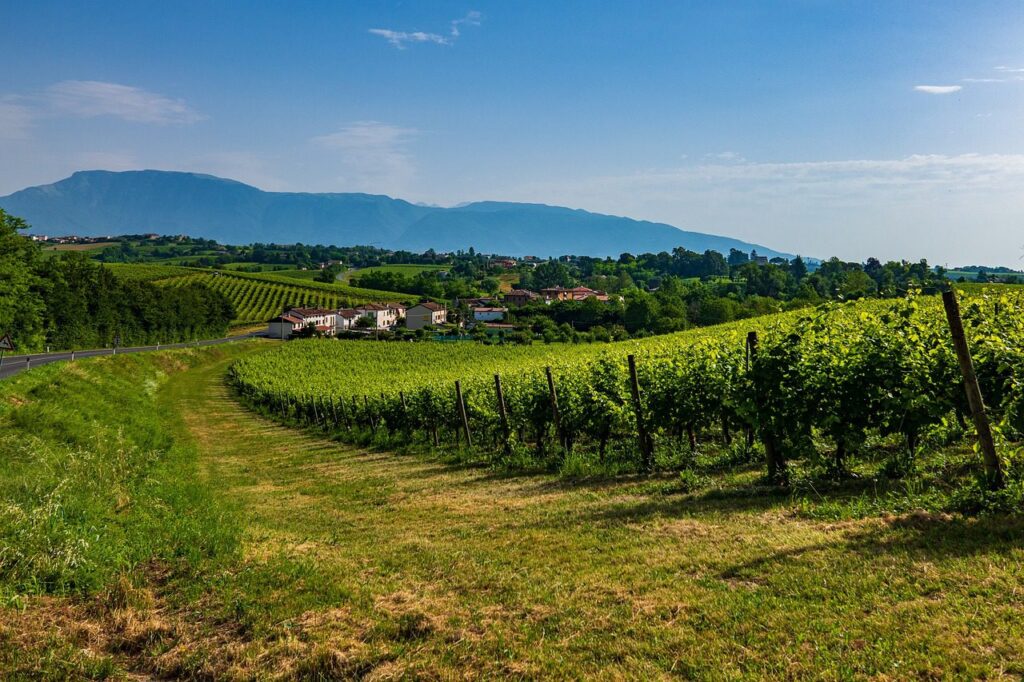
Veneto is one of Italy’s most important wine regions and one of its most varied. Located in the northeast of the country, it is home to some of Italy’s best-known wine names, including Prosecco, Amarone, Valpolicella, and Soave. That alone makes Veneto worth paying attention to, but the real strength of the region is its range. Few places move so easily from sparkling wines to powerful reds to crisp, mineral whites.
For wine lovers, Veneto matters because it combines scale with identity. It produces huge volumes of famous wine, but it also contains historic vineyard areas, deeply rooted local grape varieties, and winemaking traditions that still shape how the wines taste today.
KEY TAKEAWAYS |
| • Veneto is one of Italy’s top wine regions, best known for Prosecco, Valpolicella, Amarone, Ripasso, and Soave. |
| • The region’s diverse terroir includes Alpine foothills, rolling hills, volcanic zones, and flatter plains, allowing many wine styles to thrive. |
| • Key grapes include Glera, Corvina, Rondinella, and Garganega, alongside international varieties such as Merlot and Cabernet Sauvignon. |
| • Veneto blends long-standing tradition with modern winemaking, from appassimento for Amarone to tank fermentation for Prosecco. |
Table of contents
- What is Veneto as a wine region?
- A long winemaking legacy
- Veneto’s terroir and why it matters
- The main grapes of Veneto
- Traditional and modern winemaking techniques
- The main wine styles of Veneto
- Veneto as a wine travel destination
What is Veneto as a wine region?
Veneto is a major wine-producing region in northeastern Italy, stretching across a large and varied landscape that includes hills, plains, and foothills near the Alps. It is one of the country’s most commercially important wine regions, but it also has genuine depth and character.
That matters because Veneto is sometimes reduced to just one or two famous names. In reality, it is much broader than that. Prosecco may be the best-known export, but Veneto also produces serious reds from Valpolicella, rich Amarone, elegant whites from Soave, and a wide mix of other styles that reflect the region’s diversity.
It is a region that can appeal to almost any type of wine drinker. Whether someone wants a light sparkling aperitif, an everyday red, or a complex bottle for a long dinner, Veneto probably has an answer.
A long winemaking legacy
Winemaking in Veneto goes back more than 2,000 years. The ancient Romans recognized the region’s potential early on, helped by fertile soils, favorable weather, and a location that later benefited from trade routes and commercial exchange.
Over time, Veneto’s wine identity was shaped by local farming traditions, regional consumption, and the influence of the Republic of Venice, which helped connect the region to wider markets. That long commercial history matters because Veneto has never been isolated. It has long been a place where agriculture, trade, and adaptation meet.
Today, that legacy shows up in the sheer variety of wines the region produces. Some areas are deeply traditional, while others have evolved rapidly in response to modern demand. Yet even with that evolution, Veneto still feels tied to its own wine culture rather than detached from it.
Veneto’s terroir and why it matters
Veneto’s terroir is one of the reasons the region can produce so many different wine styles successfully. The landscape changes a lot from north to south and from hillside to plain.
In the north, the Alpine foothills bring cooler conditions and elevation. In other parts of the region, rolling hills and protected valley sites create ideal growing conditions for specific grapes. Farther south and east, flatter areas and milder influences broaden the region’s possibilities further.
Soils also vary significantly. In some places you find limestone and clay. In others, volcanic soils play a major role. There are also alluvial deposits and fertile plains that help explain why some areas are better suited to high-volume production while others produce more site-specific wines.
One good example is Soave, where volcanic soils often give Garganega-based wines a mineral edge and a more defined structure. In Valpolicella, different hillside exposures and clay-rich soils help shape wines made from Corvina and related grapes, contributing to their cherry-fruited, spicy, and sometimes deeper dried-fruit character.
The real point is simple. Veneto works as a wine region because it is not locked into one climate or one type of ground. Its diversity gives it flexibility, and good producers know how to use that.
The main grapes of Veneto
Veneto has a broad grape palette, but a few names matter more than the rest.
Glera
Glera is the grape most closely associated with Prosecco. It produces wines with bright fruit, moderate alcohol, soft floral notes, and the freshness that makes Prosecco so easy to drink. In the best sites, Glera can produce sparkling wines with real charm and balance rather than just simple fizz.
Corvina and the Valpolicella family
Corvina is one of Veneto’s most important red grapes and a key part of Valpolicella and Amarone. It is typically joined by Rondinella and sometimes other local grapes depending on the style and producer.
Corvina brings sour cherry, red fruit, spice, and freshness, while the supporting grapes help round out the blend. These varieties are especially important because they work well in both fresh, easygoing wines and richer styles created through drying techniques.
Garganega
Garganega is the leading grape behind Soave. It can produce whites with floral aromas, citrus, almond, stone fruit, and a clean mineral character, especially when grown on strong hillside sites. It is one of those grapes that can be overlooked because the wine feels easy to drink, but the better examples are more serious than many people expect.
International varieties
Veneto also grows grapes such as Merlot, Cabernet Sauvignon, and Pinot Grigio. These can appear in blends or as varietal wines and reflect the region’s willingness to work with both local tradition and broader market demand.
That mix of indigenous and international grapes is part of what makes Veneto so versatile. It can stay rooted while still adapting.
Traditional and modern winemaking techniques
Veneto is a good example of a region where traditional methods still matter, but modern winemaking is also central to the final result.
Appassimento
One of the best-known traditional techniques is appassimento, used in wines such as Amarone and Recioto. In this process, grapes are dried after harvest before fermentation. This concentrates sugars, flavors, and extract, resulting in richer, deeper wines.
For Amarone, the result is a dry wine with powerful body, high alcohol, and flavors that often include dried cherry, raisin, chocolate, spice, and herbs. In Recioto, the same basic idea leads to a sweeter style.
Tank fermentation for sparkling wines
For Prosecco, the key method is tank fermentation, often called the Charmat or Martinotti method. Secondary fermentation happens in pressurized tanks rather than individual bottles, helping preserve freshness, fruit, and lightness.
This method suits Glera especially well because it emphasizes the grape’s natural pear, apple, citrus, and floral character.
Modern precision and sustainability
Many Veneto producers now use temperature-controlled fermentation, cleaner cellar practices, and more precise vineyard management to improve consistency and quality. There is also growing interest in sustainable, organic, and lower-impact farming in parts of the region.
This matters because Veneto is a region of scale, and quality can vary widely. The best producers show that even in a large and commercially important region, precision and care still make all the difference.
The main wine styles of Veneto
Veneto’s range is one of its biggest strengths, and the main styles are very different from each other.
Prosecco
Prosecco is Veneto’s global calling card. It is usually light, fresh, and fruit-driven, with notes of pear, green apple, citrus, and flowers. It works well as an aperitif, but it is also more versatile with food than people sometimes assume.
Valpolicella
Valpolicella in its basic form is often a bright, medium-bodied red with cherry fruit, floral notes, and easy drinkability. It is a wine that works well at the table without demanding too much attention.
Ripasso
Ripasso sits between standard Valpolicella and Amarone in weight and intensity. It gains extra body and flavor through contact with Amarone lees or skins, which helps create a richer wine with darker fruit, spice, and more texture.
Amarone
Amarone is the most powerful red style associated with Veneto. It is rich, concentrated, and often quite intense, with dried fruit, dark cherry, cocoa, spice, and a velvety but structured feel. Good Amarone can be impressive, though the best examples balance power with freshness instead of just piling on weight.
Soave
Soave is one of Veneto’s key white wine styles and deserves more respect than it often gets. At its best, it is crisp, elegant, and quietly complex, with floral notes, citrus, almond, and a mineral line that makes it very food-friendly.
Taken together, these styles show how Veneto avoids being one-dimensional. Few regions can move from sparkling to sweet to structured red to mineral white with this much success.
Veneto as a wine travel destination
Veneto is also a strong wine travel region because the wine experiences connect naturally with landscape, food, and history. The Prosecco hills offer scenic vineyard routes, Valpolicella brings historic estates and cellar visits, and areas around Lake Garda and Soave add even more variety.
For visitors, this means Veneto is not just about tasting wine in isolation. It is about seeing how the wines fit into the region’s broader culture. Local dishes such as risotto, polenta, cheeses, and hearty meat preparations often make the wines feel even more complete.
The region also benefits from a welcoming wine culture. Large and small producers alike often offer tastings, tours, and experiences that help visitors understand the differences between areas and styles.
That makes Veneto easier to explore than regions where the wine story feels more closed off or specialized.
Why Veneto matters
Veneto matters because it proves that a major wine region can still have real identity. It produces famous wines at scale, but it also contains historic traditions, meaningful terroir differences, and bottles that go far beyond supermarket familiarity.
It also matters because it offers genuine diversity. A region that can give you Prosecco, Soave, Valpolicella, Ripasso, Amarone, and Recioto is doing something most wine regions cannot do.
If you want a fuller picture of Italian wine, Veneto is essential. It is not just the home of Prosecco. It is one of the most complete wine regions in the country.
Read next
Last updated:


